
Yes, it’s on the Diet! Recipe Below
Medical Disclaimer: The information provided here is intended for general knowledge and informational purposes only and does not constitute medical advice.
Ah… the Mediterranean life: sun-kissed beaches, azure waters, and plates piled high with colorful, mouthwatering food. That’s the Mediterranean lifestyle in a nutshell, and it’s not just about the scenery – it’s about nourishing your body and mind. But even if you can’t adopt the entirety of the lifestyle, The Mediterranean Diet may help you live a longer and more healthy life. Simply put, it is crucial to keep your gut happy and your brain sharp. Let’s explore the Mediterranean diet and learn how it can improve the health of your gut microbiome and your brain.
What is the Mediterranean Diet?
The Mediterranean diet a is time-tested lifestyle diet that has kept people healthy for decades. It’s not a fad that’ll be gone faster than you can say “avocado toast.” The key is to consume plenty of vegetables, fruits, whole grains, legumes, nuts, and olive oil, along with modest amounts of fish, chicken, and dairy. Red meat is more of an occasional guest star than a permanent fixture on this menu. Think special occasions or a “Cheat Day”.
Your Gut’s New Friend
Now, why your gut will be happy at the mere mention of Mediterranean cuisine? Recent studies show that this diet can work magic on your gut microbiome – the bustling community of bacteria living in your digestive system.
A 2023 study published in the journal “Nutrients” found that people who stuck to a Mediterranean diet had a more diverse gut microbiome compared to those on a typical Western diet.1 Why does this matter? A diverse microbiome is like a thriving ecosystem – it’s more resilient and better at keeping you healthy.
But that’s not all. The Mediterranean diet is full of fiber-rich foods that act like a gourmet meal for your good gut bacteria. As these good bugs feast on fiber, they produce short-chain fatty acids, which have been linked to reduced inflammation and improved brain function. 2
“…you have a nutrient pipeline to the brain.”
From Gut to Brain: The Mediterranean Connection
Here’s the really great part. Remember that gut-brain connection we keep hearing about? Essentially, since gut health plays a major role in brain health, you have a nutrient pipeline to the brain with the Mediterranean Diet!
A groundbreaking study from 2024 found that participants who followed a Mediterranean-style diet for just three months showed significant improvements in cognitive flexibility and memory.3 The researchers discovered that these brain boosts were closely linked to changes in the participants’ gut bacteria.
But how does this work? It’s all about those short-chain fatty acids we mentioned earlier. They can cross the blood-brain barrier and directly influence brain function.
They also promote the growth of new brain cells and improve the connections between existing ones. 4
The Science Behind the Mediterranean Diet
Let’s look at the scientific evidence supporting the Mediterranean diet’s impact on cognitive function. A landmark study published in JAMA Internal Medicine in 2015 found that older adults who followed a Mediterranean diet supplemented with extra virgin olive oil or nuts showed improved cognitive function compared to those on a control diet. 1 The study, which involved 447 cognitively healthy volunteers with an average age of 67, ran for an impressive median of 4.1 years. The results were eye-opening: participants in the Mediterranean diet plus olive oil group scored better on tests measuring memory, attention, and executive function. 1
But it’s not just about preventing decline – the Mediterranean diet might actually improve cognitive function. The study found that while the control group’s cognitive scores decreased over time, those following the Mediterranean diet maintained or even improved their cognitive performance1.
Long-Term Benefits for Brain Health
The good news doesn’t stop there. A 2022 study published in JAMA Network Open looked at the long-term effects of the Mediterranean diet on cognitive function among middle-aged and older Hispanic or Latino adults. 4 Over a mean follow-up time of 7 years, those with high adherence to the Mediterranean diet showed less pronounced cognitive decline, particularly in learning and memory tasks4.
This study is particularly exciting because it suggests that the benefits of the Mediterranean diet extend across different cultural contexts. It’s not just about eating like you’re on a Greek island – it’s about adopting the principles of this healthy eating pattern in a way that fits your own cultural background and food preferences.
Beyond Memory: Protecting Against Cognitive Impairment
The Mediterranean diet doesn’t just boost your memory – it might also help protect against cognitive impairment and dementia. A 2020 CNN report highlighted two studies showing that people who closely followed the Mediterranean diet lowered their risk of cognitive impairment by half2.
These findings are backed up by a comprehensive review published in the journal Epidemiology. The review found that higher adherence to the Mediterranean diet was consistently associated with better cognitive function, lower rates of cognitive decline, and reduced risk of Alzheimer’s disease in nine out of twelve studies examined. 3
5 Mediterranean Diet Recipes to Boost Your Brain and Gut Health
1. Everyday Mediterranean Salad: Brain-Boosting Freshness
Why It’s Good for You:
– Rich in antioxidants
– Supports gut microbiome diversity
– Provides essential nutrients for cognitive function
Ingredients:
– 6 Roma tomatoes, diced
– 1 Large English cucumber, diced
– 1/2 cup fresh parsley, chopped
– 2 tbsp extra virgin olive oil
– 1 tsp sumac
– Fresh lemon juice
– Salt and pepper to taste
Link: Everyday Mediterranean Salad: Brain-Boosting Freshness
Brain-Health Tip: Parsley contains apigenin, a compound linked to neurogenesis and improved memory.
2. Mediterranean Chickpea Power Bowl
Cognitive Connection:
– High in fiber to support gut bacteria
– Protein-rich for sustained mental energy
– Loaded with anti-inflammatory ingredients
Ingredients:
– 1 can chickpeas, drained
– Mixed roasted vegetables
– Handful of spinach
– Feta cheese
– Olive oil dressing
– Fresh herbs
Link: Mediterranean Chickpea Power Bowl
Gut-Brain Insight: Chickpeas promote beneficial bacteria growth, directly supporting cognitive flexibility.
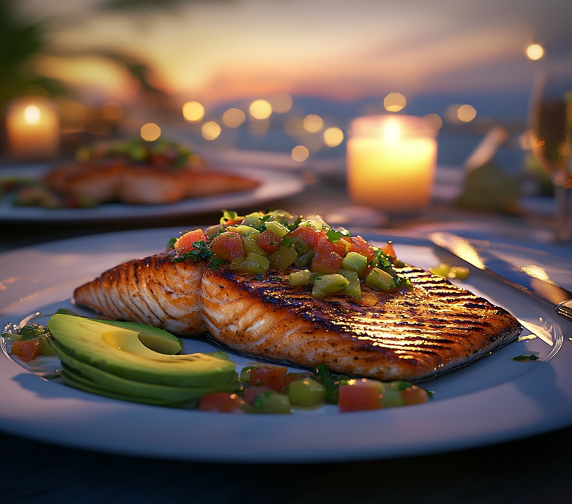
3. Omega-3 Rich Baked Cod
Neurological Benefits:
– High in omega-3 fatty acids
– Supports brain cell membrane health
– Reduces neuroinflammation
Ingredients:
– Fresh cod fillet
– Sun-dried tomatoes
– Kalamata olives
– Fresh basil
– Extra virgin olive oil
– Lemon zest
Link: Omega-3 Rich Baked Cod
Cognitive Boost: Omega-3s are crucial for maintaining neuroplasticity and preventing cognitive decline.
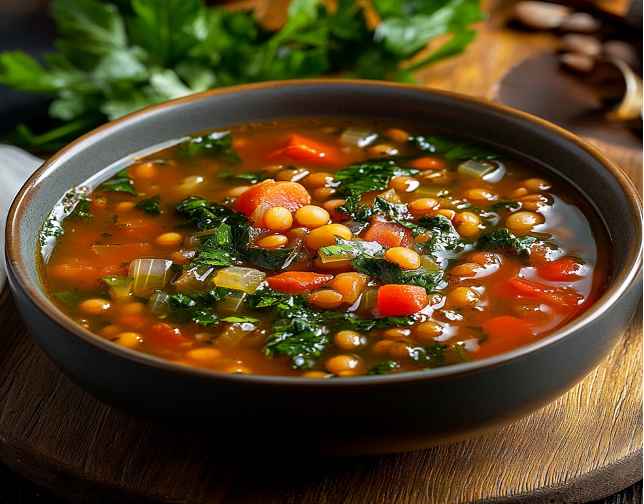
4. Mediterranean Lentil Brain-Power Soup
Cognitive Enhancement:
– Complex carbohydrates for steady energy
– High in folate for neural health
– Supports microbiome diversity
Ingredients:
– Green or brown lentils
– Carrots
– Onions
– Garlic
– Turmeric
– Vegetable broth
– Fresh herbs
Link: Mediterranean Lentil Brain-Power Soup
Neuroscience Note: Lentils contain compounds that may help protect against age-related cognitive decline.
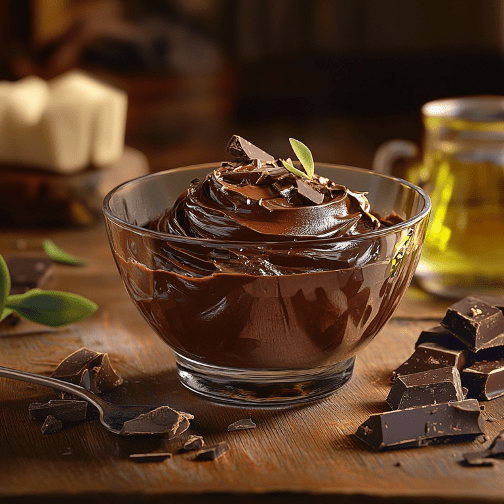
5. Olive Oil and Dark Chocolate Mousse
Dessert with Cognitive Benefits:
– Antioxidant-rich
– Supports cardiovascular health
– Provides healthy fats for brain function
Ingredients:
– Dark chocolate (70%+ cocoa)
– Extra virgin olive oil
– Honey
– Greek yogurt
– Vanilla extract
Link: Olive Oil and Dark Chocolate Mousse
Brain-Health Highlight: Dark chocolate contains flavonoids that improve blood flow to the brain and enhance cognitive performance.
Pro Tips for Maximizing Brain-Gut Benefits:
1. Use extra virgin olive oil in all recipes
2. Choose fresh, seasonal ingredients
3. Prepare meals mindfully
4. Enjoy meals in a relaxed, social setting
5. Stay hydrated with water and herbal teas
Disclaimer: Always consult with a healthcare professional before making significant dietary changes.
The Mediterranean Diet: More Than Just Food
It’s important to remember that the Mediterranean diet is more than just a list of foods to eat or avoid. It’s a holistic approach to eating and living that emphasizes:
- Mindful eating: Take time to savor your meals and enjoy the flavors, textures, and aromas of your food.
- Social connections: Sharing meals with family and friends is a key part of the Mediterranean lifestyle.
- Physical activity: Regular exercise, even if it’s just a daily walk, complements the diet’s health benefits.
- Sustainability: The diet’s emphasis on plant-based foods and locally sourced ingredients aligns well with environmental sustainability.
Adapting the Mediterranean Diet to Your Lifestyle
One of the beautiful things about the Mediterranean diet is its flexibility. You don’t have to completely overhaul your eating habits overnight. Start by making small changes:
- Add a serving of vegetables to your lunch and dinner.
- Switch to whole grain bread and pasta.
- Use herbs and spices to flavor your food instead of salt.
- Have fruit for dessert instead of sugary treats.
Remember, the goal is to adopt a sustainable, enjoyable way of eating that you can stick with for the long haul.
Remember, the Mediterranean diet isn’t just about what you eat – it’s a lifestyle that celebrates good food, good company, and good health. So raise a glass of red wine (in moderation, of course) and toast to your gut and brain health. Your future self will thank you!
Resources
For a deeper dive into the Mediterranean diet and its benefits, check out
-“The Real Mediterranean Diet” by Simon Poole. This comprehensive guide, written by a Cambridge-based physician with over 20 years of research experience, explores the science behind the diet’s impact on heart health, longevity, and disease prevention.
– Understand Gut-Brain Connection With Ease
Source links:
Mediterranean diet slows cognitive impairment, studies say.
Mediterranean Diet and Age-Related Cognitive Decline
Mediterranean Diet, Cognitive Function, and Dementia
Medical Disclaimer: The information provided here is intended for general knowledge an informational purposes only and does not constitute medical advice.
AI Usage Disclosure: This article was written using an AI language model for research and outlining. It was then rewritten and edited by a human to ensure accurate information.
Amazon Affiliate Disclaimer: As an Amazon Associate, I may earn a small commission from qualifying purchases, at no additional cost to you.
 lifetransformation.shop
Leave a comment