Life Transformation Blog

ALL THE UPS AND DOWN

  • Why Gut Health Feels Harder After 40

    — And What Finally Helped Me Manage It

    Disclaimer: This article is for informational purposes only and is not a substitute for professional medical advice. Always consult a qualified healthcare provider before making changes to your diet, supplements, or medications.

    For a long time, I assumed digestive issues were something you could simply “push through.”
    Eat carefully. Get back on routine. Power on.

    That approach worked—until it didn’t.

    Somewhere after 40, my gut stopped bouncing back the way it used to. Minor disruptions turned into lingering discomfort, which turned into bloating and weight gain. I have to add here that I wasn’t very selective about what I ate. I told myself I was a “foodie,” but it was just an excuse to park a chair in front of my fridge and eat everything inside! (Not literally, but you get the idea.) Stress showed up physically, and situations I once handled without thinking suddenly required more intention.

    I didn’t fully understand how much had changed until a flare-up forced me to slow down and pay attention.


    The Moment I Stopped Assuming My Gut Would “Sort Itself Out”

    I spent most of my life eating without abandon, never paying attention to what I was shoving into my mouth. Then, while traveling abroad, I experienced a sudden and severe digestive flare-up. It wasn’t dramatic—but it was undeniable.

    Navigating an unfamiliar healthcare system while unwell is humbling. Fortunately, I received excellent care and recovered quickly. The diagnosis—gastritis along with H. pylori—came as a surprise, but it also brought clarity.

    Thirty days of antibiotics later, I was physically better. But mentally, something had definitely shifted.

    Not because something had “gone wrong,” but because I realized something important: My body wasn’t fragile—but it was no longer forgiving of guesswork or bad eating habits.

    My experience was a little frightening, but it was even more instructive. It made me rethink how I approached food, stress, and routine—especially during times of change.


    Why Gut Health Can Feel More Unpredictable After 40

    Later, as I started learning more, it became clear that my experience wasn’t unusual.

    As we age, the digestive system doesn’t necessarily fail—but it does become more sensitive to disruption. Stress, illness, sleep changes, and dietary shifts can have a bigger impact than they once did.

    As gastroenterologist Dr. Emeran Mayer, author of The Mind-Gut Connection, explains:

    “As we age, the gut microbiome becomes less resilient to stressors such as diet changes, illness, and psychological stress, which can make digestive symptoms more noticeable and longer-lasting.”

    This framing was reassuring. It wasn’t about doing something wrong. It was about understanding that the margin for error had changed.

    Advice that once worked casually —“just eat clean,” “drink more water,” “relax”—is often no longer specific enough. The issue isn’t effort. It’s feedback.


    What Actually Helped (When Advice Wasn’t the Problem)

    Once I recovered, I didn’t overhaul my life or follow an extreme protocol. What helped was something far less dramatic—and far more sustainable.

    I shifted my focus from control to consistency and awareness.

    A few things made the biggest difference:

    • Keeping familiar, gut-friendly foods available during routine changes
    • Staying intentionally hydrated, especially during stressful or busy days
    • Paying attention to how stress showed up physically—not just mentally
    • Reducing decision fatigue by planning lightly instead of reacting

    What surprised me most was this realization:

    I didn’t need more advice. I needed a way to notice patterns without obsessing.


    The Role Stress Plays (Whether We Acknowledge It or Not)

    Stress and digestion are deeply connected, even when we don’t consciously feel “stressed.”

    The gut and brain communicate constantly. When routines shift—such as travel, deadlines, or disrupted sleep—the nervous system often reacts before the mind catches up.

    As a neuroscientist and gut researcher, Dr. Michael Gershon notes:

    “The gut and brain are in constant communication. Stress doesn’t just affect how we feel emotionally—it can directly influence digestion, motility, and gut sensitivity.”

    Simple practices can help more than expected:

    • Short breathing exercises
    • Gentle stretching or walking
    • Brief moments of pause before meals

    Not to “fix” anything—but to reduce background noise.

    The gut responds to the environment as much as food. Recognizing that changed how I approached daily life.


    Why Tracking Became More Helpful Than Guessing

    Over time, it became clear that the hardest part wasn’t knowing what to do—it was remembering, noticing, and adjusting without overthinking.

    I needed a way to:

    • See which patterns are repeated
    • Understand what helped during disruptions
    • Reduce mental load instead of adding to it

    “That’s where simple tracking becomes useful—not as control, but as support.”

    Gastroenterologist Dr. Will Bulsiewicz, author of Fiber Fueled, puts it this way:

    “Understanding patterns in symptoms is often more helpful than focusing on individual foods or isolated behaviors.”

    When you can see patterns, you stop blaming yourself for symptoms that actually have context.


    A Note on Tools (Not Fixes)

    If you’re navigating gut changes after 40, tools like trackers or planners aren’t cures—and they don’t need to be.

    They’re helpful when:

    • You’re tired of guessing
    • You want structure without rigidity
    • You need clarity more than motivation

    Used gently, they create awareness without pressure.

    That shift—from reacting to observing—made all the difference for me.


    Final Thoughts

    Gut health after 40 isn’t about limitation. It’s about responsiveness.

    When you stop assuming your body will adapt automatically and start supporting it intentionally, confidence returns. Not because everything is perfect—but because you’re no longer caught off guard.

    If you’re dealing with digestive changes later in life, you’re not behind.
    You’re just learning how your body works now.

    And that knowledge is power.


    If you’re looking for a practical companion to this, I’ve created a free daily gut health tracker.
    It’s a simple way to notice patterns in digestion, energy, and stress over time — without changing your diet or routine.

    You can find it here: [Gut Health After 40 — Free Daily Tracker]

    Optional Resources (Non-Prescriptive)


    Disclosures

    Medical Disclaimer:
    This content is for educational purposes only and does not replace professional medical advice.

    AI Usage Disclosure:
    This article was drafted and refined with the assistance of AI-supported writing tools and reviewed for clarity, accuracy, and authenticity.

    Affiliate Disclosure:
    Some referenced resources may include affiliate links. As an Amazon Associate, I may earn a small commission at no additional cost to you. “The Gut-Health Productivity Toolkit “ is a link to my Etsy store.


  • UPFs and Your Mental Health

    The Latest Research on the Connection Between Them

    Editor’s note: This article explores what current research suggests about ultra-processed foods and their potential links to gut health, inflammation, and mood, without fear-based claims or diet rules.


    The Gut–Brain Conversation

    Your gut and your brain are in constant communication. Signals move back and forth through nerves, hormones, and immune pathways, shaping digestion, energy levels, and even emotional state.

    Food plays a quiet but influential role in that conversation. When diets rely heavily on ultra-processed foods, research suggests that communication between the gut and brain may become less stable over time.

    Ultra-processed foods are not simply foods that come in packages. They represent a specific category of industrial products designed for convenience, long shelf life, and intense flavor rather than biological support.


    What “Ultra-Processed” Actually Means

    The term ultra-processed food comes from the NOVA food classification system, which groups foods by how they are made rather than by individual nutrients.

    Instead of asking how much fat, sugar, or protein a food contains, the NOVA system asks a more basic question: How far did this food travel from its original form before it reached your plate?

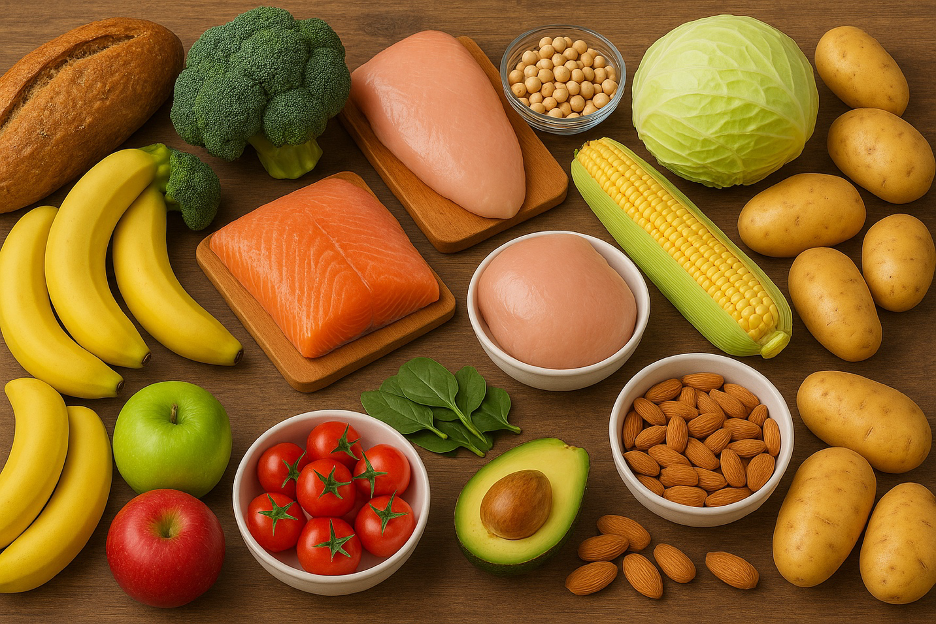
    • Group 1 includes unprocessed or minimally processed foods such as fruits, vegetables, grains, beans, eggs, meat, and milk. These foods may be washed, cooked, frozen, or ground but remain recognizable as food.
    • Group 2 includes culinary ingredients like oils, butter, salt, and sugar, typically used in small amounts to prepare meals.
    • Group 3 includes processed foods made by combining Groups 1 and 2, such as simple breads, cheeses, or canned vegetables with short ingredient lists.
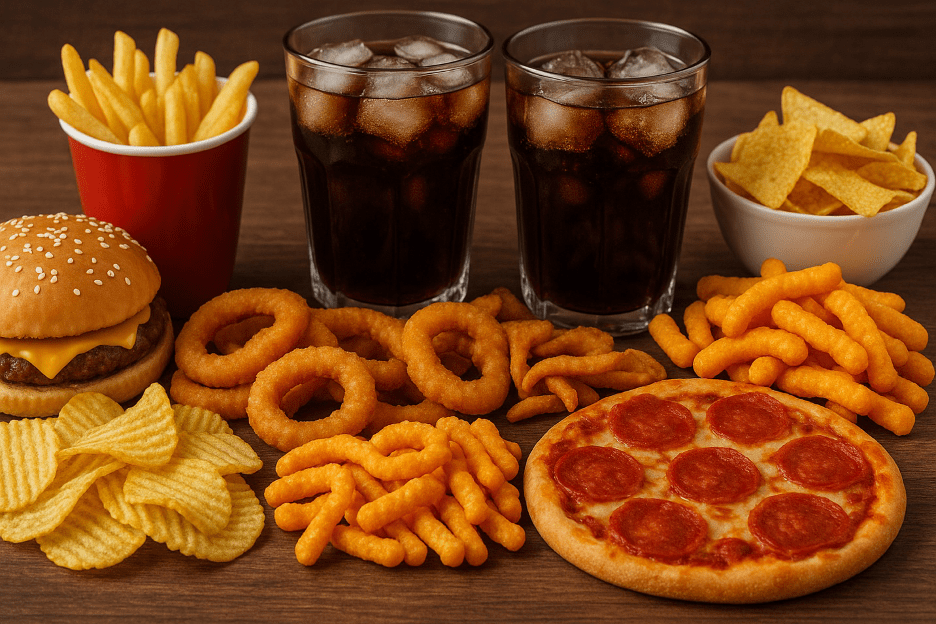
    • Group 4, ultra-processed foods, are industrial formulations made largely from refined substances and additives that enhance flavor, texture, color, and shelf life.

    Common examples include packaged snacks, sugary drinks, ready-to-heat meals, sweet breakfast cereals, instant noodles, and packaged desserts.

    Researchers emphasize that ultra-processed foods are not concerning because of a single ingredient. The concern arises when they dominate the diet and displace foods that naturally provide fiber, micronutrients, and variety.


    Why Processing Matters for Gut Health

    The gut is home to trillions of microorganisms that help digest food, regulate immunity, and maintain the gut barrier. Diet plays a major role in shaping this ecosystem.

    Research suggests that diets high in ultra-processed foods are associated with reduced microbial diversity and signs of gut imbalance. When fiber-rich, minimally processed foods are replaced with industrial formulations, gut microbes have less fuel to function properly.

    Over time, this imbalance may contribute to low-grade inflammation and a weakened intestinal barrier. When the gut barrier is compromised, immune activation becomes more likely, even in the absence of obvious digestive symptoms.

    This doesn’t always show up as dramatic illness. For many people, it appears as bloating, irregular digestion, or a general sense that meals don’t sit well anymore.


    The Gut–Brain Axis and Mood

    The gut does not work in isolation. It communicates with the brain through what researchers call the gut–brain axis, a network that includes the nervous system, immune signaling, and metabolic pathways.

    Disruptions in gut balance have been linked to changes in how the brain processes stress and emotional signals. Large population studies have found associations between higher intake of ultra-processed foods and increased reports of depressive and anxiety symptoms.

    This does not mean that eating a packaged meal causes anxiety or depression. Mental health is complex and influenced by many factors. However, when ultra-processed foods consistently crowd out nutrient-dense options, the body may lack the steady supply of fiber, vitamins, and minerals involved in neurotransmitter function and inflammation control.

    In this context, mood changes may reflect broader biological stress rather than a single dietary choice.

    “How far did this food travel from its original form before it reached your plate?”


    The Real Risk Is the Pattern

    The concern with ultra-processed foods isn’t about occasional convenience. It’s about patterns that develop quietly over time.

    Diets dominated by ultra-processed foods tend to:

    • Reduce fiber intake and microbial diversity
    • Promote low-grade inflammation
    • Displace whole foods that support gut and brain health
    • Increase reliance on foods designed to be eaten quickly and mindlessly

    These patterns are common not because people lack discipline, but because ultra-processed foods are affordable, accessible, and engineered to fit busy lives.


    Practical Shifts That Don’t Require Perfection

    Reducing reliance on ultra-processed foods doesn’t require rigid rules or complete elimination. Small, repeatable changes are often more sustainable.

    Helpful starting points include:

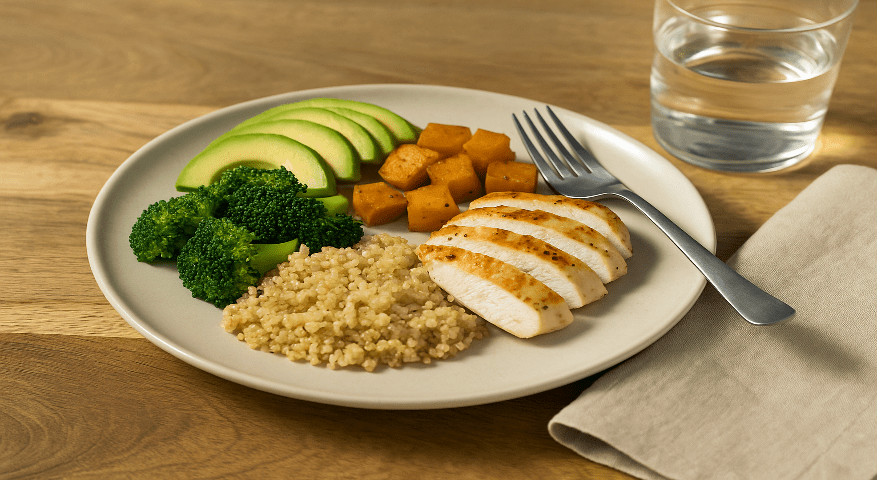
    • Building meals around whole or minimally processed foods such as vegetables, fruits, grains, legumes, nuts, eggs, and lean proteins
    • Swapping one ultra-processed item per day with a simple alternative
    • Using ingredient lists as a general guide rather than a strict rulebook
    • Planning ahead so convenience doesn’t become the default during low-energy moments

    For readers who want a structured but flexible way to apply these ideas, I’ve created a UPF-Free Daily Meal Planner designed around realistic routines, repeatable meals, and low-effort decision-making.

    The goal isn’t restriction. It’s reducing friction.

    UPF-Free Daily Meal Planner


    Conclusion

    Ultra-processed foods became common because they are convenient, affordable, and designed for modern life, not because people stopped caring about their health. The concern isn’t any single food, but the overall pattern of reliance.

    Research suggests that when ultra-processed foods dominate the diet, they can quietly displace the foods that support gut balance, inflammation control, and gut–brain communication. Awareness, rather than perfection, is the most useful place to begin.

    Small, consistent choices often matter more than dramatic changes. Paying attention to how your body responds over time is a reasonable and realistic starting point.


    Additional Supporting Resources

    Some readers may also find these tools or resources useful when building more whole- or minimally processed meals:

    • California Olive Ranch – California Collection Olive Oil
      A commonly recommended extra-virgin olive oil suitable for everyday cooking and simple whole-food meals.
      (Amazon affiliate link)
    • Physician’s CHOICE Digestive Enzymes
      A digestive enzyme blend that some people use alongside whole-food meals to support digestion.
      (Amazon affiliate link)
    • Ultra-Processed People by Chris van Tulleken
      A well-known, research-informed book exploring how ultra-processed foods became dominant in modern diets.
      (Amazon affiliate link)

    These resources are optional and provided for informational purposes. They are not required to benefit from the dietary concepts discussed in this article.

    Sources & Further Reading


    Disclosures

    Medical Disclaimer
    This article is for educational and informational purposes only and is not intended as medical advice. Always consult a qualified healthcare professional before making changes to your diet or health routine.

    Affiliate Disclosure
    Some links may be affiliate links. The planner link directs to my own Etsy store.

    AI Usage Disclosure
    This article was written with AI assistance as a drafting and research support tool and reviewed and refined by a human author.


  • Ultra-Processed Foods & Anxiety

    Is Your Food Part of the Problem?


    You’re not imagining it.

    Many people quietly notice the same pattern: on days filled with convenience foods—packaged snacks, frozen meals, grab-and-go options—anxiety feels louder. Thoughts race more easily. Focus slips. The body feels unsettled in a way that’s hard to explain.

    It’s tempting to chalk this up to stress alone, lack of willpower, or simply “having a bad mental health day.” But curiosity is warranted here.

    A growing body of research suggests that food patterns—especially high intake of ultra-processed foods—are associated with anxiety and mood symptoms. Not as a sole cause. Not as a diagnosis. But as one factor in a much larger picture.


    What Are Ultra-Processed Foods?

    Ultra-processed foods (often abbreviated as UPFs) are industrially formulated products designed for convenience, shelf stability, and hyperpalatability. They typically contain combinations of refined carbohydrates, added sugars, industrial fats, emulsifiers, flavor enhancers, and preservatives—ingredients not commonly used in home kitchens.

    According to researchers at Johns Hopkins Bloomberg School of Public Health, diets high in ultra-processed foods have been linked to a wide range of adverse health outcomes, including mental health concerns.


    Source: Johns Hopkins Bloomberg School of Public Health
    https://publichealth.jhu.edu/2025/what-are-ultra-processed-foods

    This doesn’t mean occasional convenience foods are harmful. The concern in research focuses on patterns, not isolated meals.


    What the Research Says About Anxiety and UPFs

    Several large observational studies and meta-analyses have found consistent associations between high ultra-processed food intake and symptoms of anxiety and depression.

    A systematic review published in Public Health Nutrition found that higher consumption of ultra-processed foods was associated with significantly higher odds of anxiety symptoms, along with depressive symptoms.
    Source: PubMed Central
    https://pmc.ncbi.nlm.nih.gov/articles/PMC9268228/

    Importantly, researchers emphasize that these studies show correlation, not causation. People who eat more ultra-processed foods may also experience higher stress, sleep disruption, or socioeconomic strain—factors that independently affect mental health.

    As News-Medical summarizes:

    “Emerging evidence strongly suggests a link between ultra-processed food consumption and mental health disorders such as depression and anxiety, although causality has not yet been established.”
    Source: News-Medical
    https://www.news-medical.net/health/The-Science-of-Ultra-Processed-Foods-and-Mental-Health.aspx

    The Gut–Brain Axis: Why Food and Mood Intersect

    One reason researchers take these associations seriously is the gut–brain axis—the communication network linking the digestive system with the nervous system through neural, immune, and hormonal pathways.

    Scientific reviews have found that changes in gut microbiota composition are linked to stress regulation, inflammation, and anxiety-like behaviors in both human and animal studies.
    Source: PubMed Central
    https://pmc.ncbi.nlm.nih.gov/articles/PMC12366197/

    Psychiatrist and researcher Daniel Amen has noted:

    “The microbiome is important for mental health—the gut makes about 90% of the body’s serotonin.”
    Source: National Geographic
    https://www.nationalgeographic.com/health/article/diet-mental-health-foods

    This doesn’t mean changing your diet will “fix” anxiety. It does mean that the digestive system is part of the environment, influencing how the nervous system functions.

    Blood Sugar, Stress Hormones, and Anxiety-Like Symptoms

    Another biological pathway under study involves blood sugar regulation.

    Highly processed foods can lead to rapid spikes and drops in blood glucose. When blood sugar falls, the body releases stress hormones like cortisol and adrenaline to restore balance. These hormones can feel exactly like anxiety: shakiness, racing thoughts, irritability, and difficulty concentrating.

    In these moments, what feels psychological may be a normal physiological stress response.

    Why Experts Warn Against Food Perfectionism

    While awareness is useful, many experts caution against turning dietary insights into rigid rules—especially for people already dealing with anxiety.

    UCLA Health notes that although research shows connections between highly processed foods and mood disorders, over-restricting food can increase stress, which may worsen symptoms rather than help.
    Source: UCLA Health
    https://www.uclahealth.org/news/article/you-are-what-you-eat-diet-may-affect-your-mood-and-brain

    Stress itself impairs digestion and nervous-system regulation. In that sense, perfectionism can become part of the problem.

    Where Gentle Awareness Can Help

    Rather than using food as a moral or diagnostic tool, many clinicians emphasize pattern awareness.

    Noticing how certain days feel—alongside factors like sleep, workload, caffeine, hydration, and stress—can reduce confusion and self-blame. For some people, externalizing this awareness through light planning or reflection tools helps reduce cognitive load. These tools don’t treat anxiety, but they can make patterns easier to see without holding everything in your head.

    Support, not solutions.

    A Balanced Takeaway

    Here’s what current evidence supports:

    • Higher ultra-processed food intake is associated with anxiety and depressive symptoms in large observational studies.
    • The gut–brain axis provides a biologically plausible explanation for why diet and mood interact.
    • Diet is one factor among many, alongside genetics, stress exposure, sleep, environment, and mental health history.

    There is no evidence that dietary changes alone cure anxiety disorders. There is evidence that physiological stability supports overall resilience.

    Closing Thoughts

    So, is your food part of the problem?

    Possibly.
    Sometimes.
    In ways that are subtle, contextual, and deeply individual.

    The more useful question may be:
    What helps my system feel steadier, especially during stressful seasons of life?

    Curiosity, not blame, is often where clarity begins.

    Resources and More Information

    Ultra-Processed People: Why We Can’t Stop Eating Food That Isn’t Food (Kindle)

    The Gut-Health Productivity Toolkit (Etsy link)

    Ninja Crispi 4-in-1 Portable Glass Air Fryer Cooking System (Amazon)

    Medical Disclaimer

    Educational content only. Not medical, mental-health, or nutritional advice. Always consult a qualified professional regarding your health.

    Affiliate Disclosure

    Some links may be affiliate links. As an Amazon Associate, I may earn a small commission at no extra cost to you. The Etsy link included is to a shop I own.

    AI Usage Disclosure

    This content was created with the assistance of AI for outlining and research purposes. It was then edited and reviewed by a human.

  • Why Ultra-Processed Foods Hijack Your Energy

    (And What Your Gut Has to Do with it)

    If your workday regularly ends with brain fog, energy crashes, or digestive discomfort, you’re not alone. Many busy professionals rely on convenience foods just to stay afloat—only to feel mentally sluggish and physically depleted by evening.

    That pattern isn’t caused by laziness or lack of discipline.
    It reflects a gut–brain imbalance, and ultra-processed foods (UPFs) play a central role.

    This article explains how ultra-processed foods interfere with gut health and energy regulation, why that shows up as focus and mood issues, and what realistic changes look like for people with full schedules—not idealized wellness routines.


    What Are Ultra-Processed Foods?

    Ultra-processed foods are industrial formulations made primarily from refined food components combined with additives such as emulsifiers, stabilizers, flavor enhancers, and preservatives.

    Nutrition researcher Dr. Carlos Monteiro, who developed the NOVA food-classification system, describes ultra-processed foods as products that are “designed to be convenient, hyper-palatable, and highly profitable rather than nutritionally supportive.”
    Source: NOVA Classification — University of São Paulo
    https://www.fsp.usp.br/nupens/en/nova/

    Common examples include:

    • Packaged snack foods and sweets
    • Sugary cereals and flavored yogurts
    • Protein bars and sweetened beverages
    • Fast food and frozen ready meals
    • Processed meats like nuggets or deli slices

    These foods are typically low in fiber and micronutrients, which are essential for gut health, and high in refined carbohydrates and fats that destabilize energy.


    Why Ultra-Processed Foods Drain Energy Instead of Fueling It

    Research consistently shows that ultra-processed foods interfere with appetite regulation.

    In a landmark NIH-funded study, Dr. Kevin Hall and colleagues found that when people were fed an ultra-processed diet, they ate significantly more calories and gained weight—even when nutrients like fat, sugar, and fiber were matched on paper.
    Source: Hall et al., Cell Metabolism (2019)
    https://pubmed.ncbi.nlm.nih.gov/31105044/

    Dr. Hall has emphasized that ultra-processed foods appear to encourage faster eating and weaker satiety signals, leading to energy crashes and increased cravings rather than sustained fuel.

    For busy professionals, this often looks like:

    • Quick meals followed by fatigue
    • Reliance on caffeine or sugar mid-day
    • Feeling “full” but not mentally satisfied

    Over time, this pattern produces chronic energy volatility, not productivity.


    The Gut–Brain Axis: Why Digestion Affects Focus and Mood

    The gut and brain communicate continuously through nerves, hormones, immune signaling, and the gut microbiome. Gastroenterologist Dr. Emeran Mayer describes this relationship as a two-way information highway that strongly influences mood, stress response, and cognitive clarity.

    Dr. Mayer’s work highlights that diets low in fiber and high in ultra-processed foods can impair this communication by disrupting microbial diversity and increasing inflammation.
    Source: The Mind-Gut Connection — UCLA / Dr. Emeran Mayer
    https://www.uclahealth.org/news/article/the-mind-gut-connection

    When the gut is under stress, the effects often show up not just as digestive discomfort, but as brain fog, irritability, poor concentration, and sleep disruption.

    A Practical Next Step for Busy Professionals

    Understanding the productivity cost of ultra-processed foods is useful—but awareness works best when it’s paired with a simple structure.

    The Gut Health Productivity Toolkit was created for busy professionals who want steadier focus and energy without rigid diets, tracking apps, or added mental load. It helps you notice patterns between food timing, stress, digestion, and productivity—so small adjustments actually stick.

    👉 View the Gut Health Productivity Toolkit on Etsy (printable + GoodNotes-ready):
    https://www.etsy.com/listing/4420316501/gut-health-productivity-toolkit-for-busy

    This isn’t about doing everything perfectly. It’s about giving your brain better support so productivity stops costing you your well-being.

    Ultra-Processed Foods, Mood, and Mental Resilience

    Large-scale research now links high intake of ultra-processed foods to poorer mental-health outcomes.

    Psychiatric researcher Dr. Felice Jacka, known for leading the SMILES Trial, has shown that dietary patterns high in whole, minimally processed foods are associated with better mood and emotional regulation—while highly processed diets correlate with higher risk of depression.
    Source: Jacka et al., BMC Medicine
    https://bmcmedicine.biomedcentral.com/articles/10.1186/s12916-017-0791-y

    Importantly, these effects appear independent of weight loss, reinforcing that diet quality influences mental functioning—not just body composition.


    Why Brain Fog and Energy Crashes Go Hand in Hand

    If you frequently experience:

    • Difficulty concentrating after meals
    • Afternoon mental fatigue
    • Feeling wired but exhausted
    • Restless sleep after intense workdays

    These symptoms often reflect unstable blood sugar and chronic stress signaling, both of which are influenced by ultra-processed dietary patterns.

    Productivity systems alone can’t fix this. Without stabilizing the body’s energy systems, cognitive tools lose effectiveness.


    Why “Just Eat Better” Isn’t Realistic Advice

    Most nutrition advice fails because it ignores real life.

    Busy professionals don’t need elaborate meal plans or restriction—they need structure without rigidity.

    Research-informed approaches increasingly emphasize gradual pattern shifts rather than elimination.


    Three Realistic Anchors for Gut-Driven Energy

    1. Anchor One Real Meal Per Day

    A single minimally processed meal—whether breakfast, lunch, or dinner—can noticeably improve energy stability.

    2. Feed Your Gut Daily

    Fiber-rich foods such as beans, vegetables, whole grains, and soups support microbial diversity and neurotransmitter balance.

    3. Use Gentle Boundaries, Not Rules

    Examples:

    • Ultra-processed foods aren’t the default for every meal
    • No packaged snacks kept at home
    • A consistent caffeine cutoff

    Small, repeatable actions have compounding effects.


    Awareness Beats Restriction

    Most people don’t need stricter rules—they need feedback.

    When individuals track how food timing, stress, and digestion affect energy and focus, they naturally adjust without guilt or force.


    Conclusion: It’s Not You — It’s the System

    Ultra-processed foods are engineered for convenience and consumption, not sustained energy or mental clarity.

    The good news is that meaningful improvements don’t require perfection.
    They require better signals, gentler structure, and fewer ultra-processed defaults.

    Supporting your gut supports your focus, resilience, and workday stamina—often more effectively than another productivity hack ever could.


    The Gut Health Productivity Toolkit

    The Gut Health Productivity Toolkit is designed for busy professionals who want steadier energy, clearer focus, and fewer crashes—without overhauling their entire life.

    👉 Get the Gut Health Productivity Toolkit (printable + GoodNotes-ready)
    A practical, non-medical system to help you align food timing, focus, and recovery in real life:
    https://www.etsy.com/listing/4420316501/gut-health-productivity-toolkit-for-busy?ref=listings_manager_grid

    You don’t need a perfect schedule. You need better support. One steady meal, one smart snack, one intentional reset at a time—you can build resilience, clarity, and balance that actually lasts.


    Resources & Further Reading


    Amazon Affiliate Product Suggestions

    Books

    Practical Tools

    Vtopmart 8 Pack Glass Food Storage Containers with Airtight Lids

    YETI Rambler 18 oz Bottle

    Cooking Simplifiers

    Ninja Crispi 4-in-1 Portable Glass Air Fryer

    These tools reduce friction and make lower-UPF choices easier without requiring more time.


    Important Disclaimers

    AI Usage Disclosure:

    This article was written using an AI language model for research and outlining. It was then rewritten and edited by a human to ensure accurate information.

    Amazon Affiliate Disclaimer:

    As an Amazon Associate, I may earn a small commission from qualifying purchases at no additional cost to you.

    Medical Disclaimer:

    The information provided in this blog post is intended for general knowledge and informational purposes only and does not constitute medical advice. It is essential to consult with a qualified healthcare professional for any health concerns or before making any decisions related to your diet or health.

  • The Unprocessed Life

    Why Eating Real Food Can Improve Your Gut Health

    Reclaiming Healthy Habits of Eating

    We lead fast-paced lives, and sometimes, convenience is king. We grab that brightly packaged snack, the ready-made meal, or the sugary coffee drink because it saves time. But what if I told you that this habit of choosing Ultra-Processed Foods (UPFs) has a hidden, cumulative cost? It’s costing us our gut health, and consequently, our overall vitality, energy, and mood.

    This isn’t about starting another impossible diet. This is about choosing “The Unprocessed Life”—a return to whole, minimally altered ingredients. It’s about recognizing that every meal is an opportunity to nourish not just your body, but the trillions of microscopic life forms living inside your digestive tract.

    The Minimal Difference

    The goal is simple: feed your body what it recognizes as food. Minimally processed foods “help retain nutritional value and are less likely to include added sugars, salt or unhealthy fats, which may disrupt the gut microbiome” (Source 1.9). By shifting our default from processed to real, we empower our gut to do its job.

    This article is your guide to making that switch. It’s the foundational, non-negotiable step toward a diverse, resilient gut microbiome, which, in turn, strengthens your immunity, reduces chronic inflammation, and optimizes your mind-body connection.

    The Gut-Brain Axis: Your Second Brain

    Have you ever had a “gut feeling” about a decision, or felt physically sick from stress? That’s not just a figure of speech; it’s the Gut-Brain Axis in action. This two-way highway connects your digestive system and your central nervous system via the vagus nerve. It’s how your gut—your “second brain”—talks directly to your mind.

    The Microbiome’s Secret Conversation

    The three pounds of bacteria living in your large intestine (your microbiome) aren’t silent passengers; they are chemical messengers. They communicate constantly, producing key compounds like neurotransmitters—the same chemicals found in your brain, such as serotonin, which regulates mood.

    When you consistently feed your gut-friendly bacteria (the “good bugs”) with whole foods, they thrive. When you feed them UPFs—which often contain industrial emulsifiers, artificial sweeteners, and low levels of fiber—they struggle, and the balance shifts towards “bad bugs.”

    The UPF-Stress Loop

    This imbalance, called dysbiosis, sends inflammatory signals up the Gut-Brain Axis. Research has shown a strong correlation here. Epidemiologist and geneticist Prof. Tim Spector notes: “We call the gut the second brain… a poor diet can lead to poor mental health outcomes, and ‘being depressed can actually alter your gut’ too” (Source 1.4).

    The incredible news is that this connection is malleable. You can start sending positive signals back to your brain by what you choose to eat today.

    The Core Science: Fiber, SCFAs, and Integrity

    To truly live an unprocessed life, we need to understand our microbes’ favorite food group: fiber.

    Fiber is Fuel (Prebiotics)

    Our human digestive enzymes can’t break down fiber, but our gut microbes are experts at it. Fiber is a prebiotic—the fuel that feeds your beneficial bacteria. When you eat a raw carrot, a handful of almonds, or a bowl of oats, you are literally fueling your microbial ecosystem.

    The SCFA Factory

    When your gut bugs ferment that fiber, they produce beneficial compounds called Short-Chain Fatty Acids (SCFAs). The most important of these is butyrate.

    Butyrate is nothing short of the gut’s architect. It is the primary energy source for the cells lining your colon (colonocytes). By feeding these cells, butyrate strengthens the entire intestinal barrier, keeping inflammation down and preventing unwanted substances from “leaking” out of the gut. This is the bedrock of strong immunity and reduced systemic inflammation.

    The Diversity Mandate

    Quantity of fiber matters, but variety is the real secret. Experts emphasize that the single most effective thing you can do is increase the sheer diversity of your plant intake. Prof. Tim Spector recommends aiming for “30 different plant foods each week” to cultivate a diverse microbiome (Source 1.1, 1.7). Think about all the different colors, textures, and families of fruits, vegetables, nuts, seeds, and grains you can explore!

    The Unprocessed Blueprint: Two Pillars of Nutrition

    Making the switch to unprocessed living doesn’t require complex meal plans; it requires focusing on two simple pillars: maximizing fiber (prebiotics) and introducing new bacteria (probiotics).

    Pillar 1: Maximizing Prebiotics (Fiber-Rich Whole Foods)

    Your food choices directly shape your microbial community. Here are three key food families to prioritize:

    1. Legumes: Beans, lentils, and chickpeas are powerhouse sources of fiber and contain polyphenols—compounds that beneficial gut microbes adore. They are cheap, filling, and incredibly versatile.
    2. Cooked and Cooled Starches (Resistant Starch): Certain starches, like potatoes, rice, and oats, become powerful prebiotics when they are cooked and then cooled. This process changes their structure, making them resistant to digestion in the small intestine, delivering them intact to the large intestine for your microbes to feast on.
    3. Nuts and Seeds: These are excellent sources of both fiber and healthy fats, like omega-3s, which are linked to a more diverse gut microbiome (Source 1.1, 1.2). Throw walnuts on your salad, flaxseeds in your smoothie, or snack on almonds.

    Pillar 2: Introducing Probiotics (Fermented Foods)

    While prebiotics feed the bugs you already have, probiotics introduce new, beneficial strains.

    Look for whole, unpasteurized, fermented foods with “live active cultures.” This is where you get new colonists for your gut ecosystem:

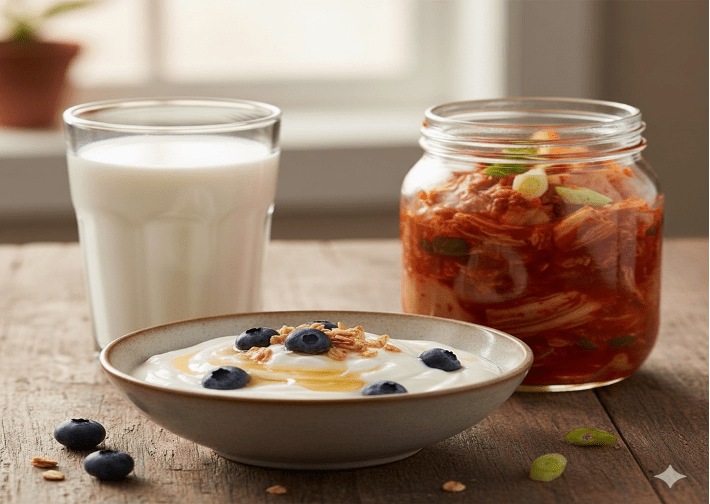
    • Plain Kefir or Yogurt: Look for live cultures and avoid high-sugar versions.
    • Raw Sauerkraut and Kimchi: These contain beneficial bacteria and are easy to add to sandwiches or bowls.
    • Kombucha: Choose low-sugar varieties.

    As the expert Williams notes, “Sauerkraut, cottage cheese and yogurt with live cultures, kimchi and kombucha are all whole-food sources of probiotics” (Source 1.3). The key is consistency. Try to include a small amount of probiotic food daily to make the most significant impact over time.

    Practical Implementation and Sustainable Change

    The beautiful thing about the Unprocessed Life is that it’s inherently sustainable. You aren’t restricting—you are adding goodness.

    The Power of Control: Cooking From Scratch

    The single most powerful action is cooking from scratch. When you prepare your own food, you eliminate the hidden culprits of poor gut health: inflammatory vegetable oils, synthetic emulsifiers, and massive amounts of added sugars and sodium. Cooking is an act of self-care and control.

    Slow and Steady Wins the Race

    If you currently eat a low-fiber diet, diving head-first into a high-fiber plan can result in temporary gas, bloating, and digestive discomfort as your microbial community shifts. Be gentle with yourself. Take it easy and gradually increase your intake of legumes, whole grains, and vegetables. Start by adding one new fruit or vegetable each week and notice how you feel.

    Beyond the Plate: The Lifestyle Connection

    Remember, your gut is listening to your life, not just your plate (Source 1.9):

    • Hydrate: Drink plenty of clean water. Water aids in breaking down food and absorption.
    • Move: Regular movement, like a daily walk, helps stimulate gut motility (peristalsis).
    • Breathe: Stress is seriously detrimental to gut health. Incorporate simple stress management techniques like deep breathing or journaling to quiet the inflammatory signals.

    Conclusion

    The journey to an unprocessed life is an act of profound self-nourishment. It is the best long-term investment you can make in your immunity, your energy, and your mental clarity. By choosing real, whole, and diverse foods, you are rebuilding your microbial foundation from the ground up, one meal at a time.

    Start simple today: Swap one processed food for a whole food. Exchange a sugary breakfast bar for a bowl of plain oats topped with seeds and berries, and feel the difference that true nourishment provides.

    Disclaimers

    Medical Disclaimer

    The content in this article is provided for informational and educational purposes only and is not intended as a substitute for professional medical advice, diagnosis, or treatment. Always seek the advice of your physician or other qualified health provider with any questions you may have regarding a medical condition or before making any significant changes to your diet or lifestyle. We are not licensed medical professionals, and relying on any information in this article is solely at your own risk.

    Amazon Affiliate Disclosure

    This article contains affiliate links. If you click on these links and make a purchase, we may receive a small commission at no extra cost to you. We only recommend products and services that we genuinely believe will add value to our readers.

    AI Usage Disclosure

    This content, including the structure, expert synthesis, and draft text, was generated with the assistance of an artificial intelligence language model. It is then edited by a human before publication. While the information is grounded in current expert research and verified sources, it has not been reviewed by a licensed medical professional.

    Tools for an Unprocessed Kitchen (Amazon Affiliate Links)

    Lodge 12 Inch Cast Iron Pre-Seasoned Skillet 

    Nutribullet Full-Size Blender Combo 1200W

    Books On Amazon

    The Real Food Table: 100 Delicious Mostly Gluten-Free, Grain-Free and Dairy-Free Recipes

    100 Days of Real Food: On a Budget

    Source Verification

    Aim for 30 different plant foods each week

    Source: Prof. Tim Spector, ZOE: How to Improve Gut Health: 16 Science-Backed Methods URL: https://zoe.com/learn/how-to-improve-gut-health (Source 1.1)

    Whole-food probiotics (sauerkraut, yogurt, kimchi)

    Source: Williams (expert quoted), EatingWell: 12 Foods to Improve Your Gut Health Overnight URL: https://www.eatingwell.com/article/8021156/foods-to-improve-gut-health-overnight/ (Source 1.3)

    Gut-Brain Axis: Poor diet affects mental health

    Source: Prof. Tim Spector, Women’s Health Mag: How diet and health changes can transform your mood URL: https://www.womenshealthmag.com/uk/food/healthy-eating/a68075890/tim-spector-gut-health-tips/ (Source 1.4)

    Minimally processed foods help retain nutritional value and may be less likely to include unhealthy fats, which may disrupt the gut microbiome

    Source: Dr. Julian Hurdle (expert quoted), Vital Record: Gut health explained: What’s worth following and what’s just hype? URL: https://vitalrecord.tamu.edu/gut-health-explained-whats-worth-following-and-whats-just-hype/ (Source 1.9)

    Exercise, stress management, and hydration support gut health

    Source: Dr. Narendra Kumar (expert quoted), Vital Record: Gut health explained: What’s worth following and what’s just hype? URL: https://vitalrecord.tamu.edu/gut-health-explained-whats-worth-following-and-whats-just-hype/ (Source 1.9)

    SCFAs strengthen the intestinal barrier

    Source: PMC: Influence of Foods and Production on Gut Microbiome and Implications URL: https://pmc.ncbi.nlm.nih.gov/articles/PMC9455721/

  • The Willpower Myth

    How Ultra-Processed Foods Make You Overeat, and Why It’s Not Your Fault!

    How Food Engineers “Hook” Your Brain on Fat, Sugar, and Salt

    If you’ve ever opened a bag of chips with the intention of having just a handful—and suddenly you’re staring at the bottom of the bag—welcome to the club. It’s one of the most universal human experiences.

    But here’s the important part:
    It’s not because you “lack willpower.” It’s because the food was engineered to work against your willpower.

    Ultra-processed foods (UPFs) don’t happen by accident. They’re built through careful formulas designed to bypass your brain’s natural “stop eating” signals. Food scientists use precise ratios of fat, sugar, and salt to create something called hyper-palatability—basically, food that tastes so good your brain won’t let you stop.

    And the research is now crystal clear:
    The way UPFs interact with your brain’s reward system looks a lot like what happens with addictive substances. Understanding this is a huge step toward taking back control of your eating habits.

    The Triple Threat — Fat, Sugar, and Salt

    Food engineers operate with a concept called the “bliss point.” It’s the perfect combination of sugar, fat, or salt that makes food delicious without tasting too overpowering. And it’s this precise balance that keeps you coming back for more.

    Let’s break down the three main players:

    1. Sugar: The Dopamine Flash

    Sugar causes your brain to release a surge of dopamine—the key chemical involved in pleasure and reward. In whole foods, this dopamine release happens slowly thanks to fiber and natural structure. But in UPFs? It’s immediate. And it’s huge.

    The science behind it:
    This rapid dopamine spike overloads the brain’s reward pathway. Over time, your brain adapts, demanding more stimulation to get the same reward. This is exactly how addictive cycles form. Brain imaging even shows that the neural activation seen after consuming highly palatable UPFs mirrors the patterns seen with drug exposure. (Reference: The American Journal of Clinical Nutrition)

    2. Salt and Fat: Flavor Extenders That Keep You Eating

    Salt does more than taste good—it enhances all the other flavors around it. Fat adds richness, creaminess, and energy density. Taken separately, they’re normal parts of food. But engineered together in unnaturally precise ratios? They create a flavor and texture experience your brain wasn’t built to resist.

    Why it’s a problem:
    Scientists call these foods “disproportionately rewarding.” They deliver enormous pleasure—both in taste and texture—while offering very little nutritional benefit. Your body interprets this as a massive, rare energy windfall and urges you to eat as much as possible no matter how full you actually are.

    “It’s not because you “lack willpower.” It’s because the food was engineered to work against your willpower.”

    The Two Ways UPFs Silence Your “Stop” Button

    UPFs don’t just hit your reward system. They also shut down the biological signals meant to tell you you’ve had enough.

    They do this in two major ways:

    1: Calorie Density vs. Volume

    UPFs are engineered to be high in calories but low in physical volume. This means your stomach doesn’t stretch enough to send the “I’m full” message to your brain.

    The study that proved it:
    In 2019, the NIH ran a landmark inpatient study (published in Cell Metabolism). Participants were given either minimally processed foods or ultra-processed foods for two weeks.
    Both diets had the same calories, sugar, fat, and sodium.

    Yet the group eating UPFs:

    • Ate about 500 extra calories per day, automatically
    • Gained weight
    • Reported stronger appetite signals

    Simply because UPFs didn’t trigger fullness.

    2: Disrupted Hormone Messaging

    Whole foods trigger hormones that help regulate appetite:

    • Leptin: tells your brain, “We’re full. You can stop now.”
    • Ghrelin: tells your brain, “Hey, we’re hungry.”

    UPFs interrupt this conversation.

    Because they lack fiber and are eaten quickly (since they require almost no chewing), the hormonal signals take longer to activate. The leptin message gets delayed, and by the time it arrives, you’ve already overeaten. This is why UPFs make you feel like your hunger cues are broken—they actually are in that moment.

    Is This Real Addiction? What the Experts Say

    “Food addiction” is a controversial term, but when you look specifically at ultra-processed foods, the evidence is far more convincing.

    Dr. Ashley Gearhardt from the University of Michigan, creator of the Yale Food Addiction Scale, studies this extensively. When people apply the scale to UPFs, the patterns mirror classic addiction behaviors:

    • Loss of control, even with good intentions
    • Intense cravings
    • Withdrawal-like irritability when trying to cut back

    Dr. Gearhardt explains:

    “The highly rewarding nature of ultra-processed foods—specifically their rapid delivery of refined carbohydrates and fats—is a critical factor in driving compulsive overeating behavior, akin to addictive cycles.” The struggle is not personal failure. It’s a biological response to a product designed for overconsumption.

    Reclaiming Your Control

    The best part? Your brain can recover. Your taste buds can reset. And you can absolutely retrain your reward system.

    Here are some practical, realistic steps:

    1. Embrace the “Bland Point”

    Cut back on added sugar and salt in your home cooking for two weeks.
    Your palate adjusts surprisingly fast. Suddenly, UPFs will taste overwhelming rather than irresistible.

    2. Focus on Chewy, High-Texture Foods

    Nuts, seeds, whole fruits, raw veggies—anything that takes time to chew. Chewing slows down your eating, giving your gut time to release fullness hormones and register satiety.

    3. Use the 5-Ingredient Rule

    If a food has more than five ingredients—or includes words like “dextrose,” “isolate,” or “hydrogenated”—that’s a sign it’s highly engineered. This simple rule can eliminate the majority of hyper-palatable foods with zero calorie counting.

    4. The 20-Minute Delay

    Cravings feel urgent, but they’re incredibly short-lived.
    Try drinking a full glass of water and waiting 20 minutes. Most cravings fade once your hormones catch up.

    Conclusion: It’s Not About Willpower—It’s About Design

    Ultra-Processed Foods aren’t created to nourish you. They’re created to be irresistible. The intense blend of fat, sugar, and salt overrides your body’s signals and hijacks your brain’s reward system. Once you understand this, you can stop blaming yourself and start making choices based on how your biology actually works.

    The best part?
    Your brain is adaptable. Your taste buds can change. You can rebuild your hunger cues and create a healthier relationship with food—without feeling deprived. Stepping back from UPFs isn’t about punishment.
    It’s about reclaiming energy, clarity, and control over your own body.

    Sources

    1. Hall K.D., Ayuketah A., Brychta R., et al. “Ultra-Processed Diets Cause Excess Calorie Intake and Weight Gain: An Inpatient Randomized Controlled Trial of Ad Libitum Food Intake.” Cell Metabolism. 2020 Oct 6;32(4):690. DOI: 10.1016/j.cmet.2020.08.014. PubMed entry
      → This tightly-controlled NIH study found participants consumed ~500 extra calories/day on an ultra-processed diet despite matched nutrients and gained weight on it. PubMed+1
    2. National Institutes of Health. “Eating Highly Processed Foods Linked to Weight Gain.” NIH News Release, May 16 2019. NIH News in Health article
      → A readable summary of the Hall et al. study: ultra-processed foods = more calorie intake, faster eating, weight gain. NIH News in Health+1
    3. Gearhardt A.N., Corbin W.R., Brownell K.D. “The Yale Food Addiction Scale (YFAS): Development and Validation.” Appetite. 2009;52(2):430-436. YFAS information page
      → Original tool developed to assess addictive-like eating behaviours, especially in relation to ultra-processed or hyper-palatable foods. LSA Technology Services+1
    4. Penzenstadler L., et al. “Systematic Review of Food Addiction as Measured with the Yale Food Addiction Scale.” Frontiers in Psychiatry. 2019;10: ? (PMC 6712300)
      → A review summarising evidence for “food addiction” and usage of YFAS in multiple populations. PMC
    5. Schiestl E.T., & Gearhardt A.N. “The Qualitative Evaluation of the Yale Food Addiction Scale 2.0.” European Eating Disorders Review. 2022. Abstract
      → Examines the updated YFAS 2.0 version and how it operationalizes the concept of food addiction. ScienceDirect
    6. Gearhardt A.N. “Processed Food Addiction.” BMJ. 2023;383:bmj-2023-075354. DOI: 10.1136/bmj-2023-075354.
      → Recent article discussing ultra-processed foods and addictive patterns in consumption. BMJ

    The following products may interest you:

    Garden of Life Once Daily Dr. Formulated Probiotics for Women (Amazon Link)

    The Complete Mediterranean Cookbook

    ONNIT Alpha Brain® Nootropic Brain Supplement for Men and Women

    Medical Disclaimer

    The information in this article and on this website is for educational purposes only and is not a substitute for professional medical advice or diagnosis. We are not medical professionals, nutritionists, or dietitians. Always consult a healthcare provider before making any health or dietary changes.

    Affiliate Disclosure

    Some links in this article may be affiliate-type links. If you make a purchase through them, we may earn a small commission at no extra cost to you.

    AI-Assisted Content Disclosure

    Portions of this article were developed with the help of an AI model for research and summarization. All scientific claims and sources were reviewed and verified by a human editor.

  • High-Stress Job? A Gut-Healthy Diet Can Help You Sleep Better, Stress Less, and Stay Sharp

    Discover what experts say about the gut–brain connection — and how small, smart food choices can help first responders, nurses, and shift workers feel human again

    Finishing a long night shift can leave your body drained and your mind racing, especially when you’re grabbing a snack from the vending machine at 3 a.m. and attempting to sleep while everyone else starts their day. For nurses, EMTs, firefighters, and other shift workers whose routines don’t fit the typical 9-to-5 lifestyle, this out-of-sync schedule affects more than just sleep—it can throw off your gut’s internal clock too. When that happens, the vital connection between your gut and brain suffers, impacting your mood, energy, digestion, and overall resilience.


    The Mind-Gut Connection for High-Stress Professionals

    The “gut–brain axis” is the two-way communication system between your digestive system and your brain, mediated by microbes, hormones, the immune system and nerve pathways. (Physiology Journals) When you mix shift work, irregular eating, high adrenaline and sleep disruption, the system can wobble.

    Recent research highlights that night or rotating shifts are linked with changes in gut microbial diversity and composition. For example, a 2025 systematic review found that shift work is associated with “reduced α-diversity and increased relative abundance of pro-inflammatory genera” in your gut microbiota. (MDPI) Another study showed that microbial activity might modulate stress-responsivity (HPA-axis regulation) directly, meaning your gut may influence how your body reacts to high-pressure shifts. (Cell)

    What this means: when your internal clocks, meals and sleep are out of harmony, your gut and brain pay the price.


    What Stress, Shift-Work & Unhealthy Eating Do to Your Gut and Mood

    High-stress professions carry multiple risk factors: elevated cortisol, erratic breaks, quick convenience foods, caffeine overload, and fragmented sleep. These all feed into gut troubles.

    • Circadian misalignment – When food timing, light exposure and sleep are adrift, gut motility, barrier integrity and microbiota function suffer. (Taylor & Francis Online)
    • Diet quality drop – Grab-and-go snacks, low fiber, high processed foods. Poor diet quality links with higher risk of depression and mood disorders. (Cureus)
    • Gut barrier & inflammation – Dysbiosis (microbial imbalance) may prompt “leaky gut,” low-grade inflammation and altered signaling to the brain. (MDPI)

    That’s you. You work when others sleep — you need a system that works with your rhythm, not against it.


    What the Research Says Works

    Good news! You don’t need a diet overhaul. You need smart, targeted strategies that work for your schedule.

    • Dietary pattern strikes: A Mediterranean-style diet (high in fibre, vegetables, legumes, healthy fats) supports mood and gut health. One review notes: “Dietary choices significantly influence the gut microbiome, thereby affecting emotional, cognitive, and neurological health.” (Cureus)
    • Meal timing matters: Because your gut has its own rhythms, aligning eating windows with your shift schedule helps. Patterns like limiting late-night heavy meals and aligning hydration + caffeine with shift cycles support the gut–brain axis.
    • Hydration, caffeine & snack strategy: Proper hydration and timed caffeine (rather than constant use) matter for gut motility and mental clarity — yes, your toolkit has this built in.
    • Prebiotic + fiber focus: Foods high in prebiotic fiber (onions, garlic, oats, beans) support beneficial microbes and microbial metabolites like short-chain fatty acids (SCFAs) that signal the brain.
    • Low-FODMAP option: For those with gut symptoms (bloating, IBS) working shifts, a guided Low-FODMAP trial may help. I’m offering a free Low-FODMAP Traffic-Light Chart as an easy download below.

    Practical Guide for You: Shift-Life Wellness

    Here’s how to put it into action — simply plug into your schedule.

    Realistic Weekly Menu Sample (for shift-workers)

    DayMeal 1 (pre-shift)Meal 2 (mid-shift)Meal 3 (end-shift)Snack / Hydration
    MonOvernight oats + berriesWhole-grain wrap + greensGrilled salmon + sweet potatoAlmonds + water
    TueGreek yoghurt + flaxseedChickpea salad + olive oilStir-fry veg + tofuApple slices + herbal tea
    WedSmoothie (spinach, banana, protein)Quinoa + roasted veggiesTurkey chili + beansCarrot sticks + hummus
    ThuOmelette + spinachLentil soup + whole-grain rollBaked cod + broccoliMixed nuts + sparkling water
    FriPorridge + cinnamonWhole-wheat pita + falafelSteak + salad + avocadoDark chocolate + water

    (Use your Meal Clock, Grocery Checklist and Caffeine & Hydration Guide from the Shift-Start Gut-Check Toolkit to tailor your timing and portion size.)

    Quick Wins

    1. Pre-shift “anchor” meal – Eat 1–2 hours before your shift starts, favoring fiber + lean protein.
    2. Mid-shift maintenance snack – Balanced carb + protein + fiber, not sugary crash fuel.
    3. Hydration rule – Drink ~250 mL every hour when awake; avoid loading caffeine in the final two hours.
    4. End-shift “recovery” meal – Moderate size, higher in veggie fiber, lower in heavy fats.
    5. Rest & reset window – Use the toolkit’s color-coded clock system to align eating windows with your sleep/rest cycle.

    Take Action & Empower Yourself

    You spend your days holding everything together—work, responsibilities, deadlines.
    This toolkit is for you.

    The Gut Health Productivity Toolkit is designed for busy professionals who want steadier energy, clearer focus, and fewer crashes—without overhauling their entire life.

    👉 Get the Gut Health Productivity Toolkit (printable + GoodNotes-ready)
    A practical, non-medical system to help you align food timing, focus, and recovery in real life:
    https://www.etsy.com/listing/4420316501/gut-health-productivity-toolkit-for-busy?ref=listings_manager_grid

    You don’t need a perfect schedule.
    You need better support.

    One steady meal, one smart snack, one intentional reset at a time—you can build resilience, clarity, and balance that actually lasts.


    Disclaimers

    Medical/Health Disclaimer: This article is for informational purposes only and is not intended to diagnose, treat, cure or prevent any disease. Please consult a qualified healthcare provider or registered dietitian before making major dietary changes, especially if you have IBS, IBD, pregnancy, or other chronic conditions.
    Affiliate Disclaimer: Some links in this article are affiliate links. If you purchase through them, I may earn a small commission at no extra cost to you.
    AI/Content Disclaimer: This article was drafted with the assistance of AI tools and finished by human editing. All facts and references have been verified to the best of our ability.

    References

  • The Gut–Brain Connection: How Your Diet May Influence Depression

    For years, depression was framed as a purely chemical imbalance — something happening only in the brain. But a revolution has been unfolding in psychiatry and neuroscience. Experts are now exploring an unexpected ally in mental health: the trillions of microorganisms living in your gut.

    This microbial community, known as the gut microbiome, helps digest food, regulate the immune system, and produce crucial molecules like serotonin and dopamine — the same neurotransmitters that influence mood and emotional balance. Emerging studies suggest that when the microbiome falls out of balance, mood often follows.

    A 2024 review in Frontiers in Psychiatry described how changes in gut bacteria appear to mirror the biological patterns seen in depression (Frontiers in Psychiatry, 2024). Another meta-analysis published in Nature Translational Psychiatry found consistent differences in gut microbiota composition among thousands of participants worldwide (Nature Translational Psychiatry, 2023).

    “In other words, the link between food, microbes, and mood is no longer speculation — it’s measurable.”

    This article explores what researchers are discovering about the gut–brain connection, why diet matters, and how this new science could reshape how we think about depression.

    THE SCIENCE: A CONVERSATION BETWEEN GUT AND MIND

    Scientists have long known that the gut and brain talk to each other — but only recently have they begun to understand the complexity of that dialogue. The gut sends signals to the brain through nerves, hormones, and immune pathways, and the brain returns the favor by influencing digestion and microbial balance. Together, this two-way system is called the gut–brain axis.

    A. How Gut Bacteria Influence Mood

    About 90% of the body’s serotonin — often called the “feel-good” chemical — is made in the digestive tract. Gut microbes help regulate how much tryptophan (an amino acid from food) becomes serotonin. When microbial balance shifts, so does this biochemical traffic.

    Certain bacteria also produce short-chain fatty acids (SCFAs) like butyrate, which strengthen the gut lining and reduce inflammation. That’s important, because chronic inflammation has been linked to depressive symptoms and cognitive decline.

    A 2021 PubMed review on psychiatric disorders and gut microbiota reported that people with depression often have lower levels of SCFA-producing bacteria such as Faecalibacterium and Coprococcus, and higher levels of pro-inflammatory species like Eggerthella and Streptococcus (PubMed, 2021). These patterns suggest that gut health may help regulate emotional health.

    B. Inflammation, Stress, and the Gut Barrier

    When the intestinal barrier weakens — sometimes called “leaky gut” — bacterial fragments can pass into the bloodstream, triggering immune responses that affect the brain. This low-grade inflammation may disrupt neurotransmitter systems and even alter brain structure over time.

    Conversely, chronic psychological stress can reshape the microbiome, reducing bacterial diversity and increasing gut permeability. It’s a feedback loop: stress affects the gut, and an inflamed gut can amplify stress and mood changes.

    A 2019 Frontiers in Psychiatry review highlighted this bidirectional link, calling the microbiome a “potential mediator of depression’s biological signature” (Frontiers in Psychiatry, 2019).

    C. How Psychiatrists Are Studying It

    To decode this gut–brain connection, researchers analyze biological samples — including stool — to identify bacterial patterns associated with depression. These analyses don’t aim to shock; they help map the ecosystem inside us. By studying microbial DNA, scientists can detect which bacteria flourish or falter when mood disorders appear.

    The findings are consistent: depressed individuals tend to have lower microbial diversity and fewer anti-inflammatory bacteria. Understanding these patterns could one day help psychiatrists personalize treatments, blending traditional therapy with microbiome-supportive nutrition.

    THE MEDITERRANEAN DIET CONNECTION

    A. Why What You Eat Shapes How You Feel

    If gut bacteria influence mood, then diet becomes one of the most powerful — and practical — tools we have. That’s where the Mediterranean diet stands out.

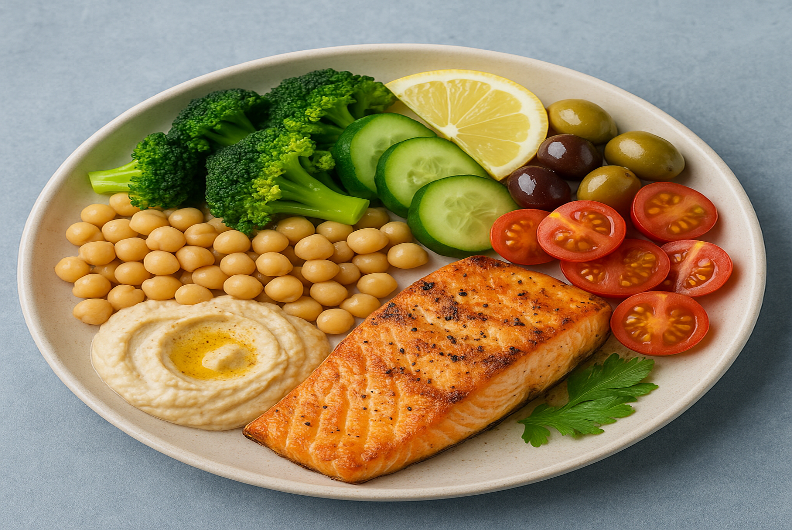
    This way of eating, common in coastal regions of Italy, Greece, and Spain, is rich in vegetables, fruits, whole grains, legumes, nuts, olive oil, and fish. It’s low in processed foods and sugars — the very elements that disrupt microbial balance.

    A 2025 review in the International Journal of Molecular Sciences found that the Mediterranean diet’s blend of fiber, healthy fats, and antioxidants supports a diverse gut microbiome and reduces inflammation linked to depression (MDPI, 2025).

    Here’s how it works in plain language:

    Fiber feeds beneficial bacteria that produce SCFAs, which protect the brain.

    Polyphenols in olive oil, red grapes, and herbs act like fertilizer for “good” microbes.

    Omega-3s from fish and nuts soothe inflammation throughout the body.

    Together, these effects strengthen the gut–brain axis and may buffer against mood disorders.

    B. Evidence Linking Diet and Depression

    Across multiple studies, people who closely follow a Mediterranean-style diet show up to a 67% lower risk of developing depression compared to those who don’t (PubMed, 2025). Trials involving over 45,000 participants found that this diet improves depressive symptoms and overall well-being.

    A 2024 Frontiers in Nutrition review suggested that these mood benefits likely come from changes in the microbiome — more bacterial diversity, greater production of anti-inflammatory compounds, and better gut barrier function (Frontiers in Nutrition, 2024).

    Simply put: the foods that keep your gut healthy also help your brain feel balanced. The Mediterranean diet isn’t a cure, but it’s a sustainable, research-backed lifestyle that supports both gut and emotional resilience.

    THE TRIANGLE OF CONNECTION: DIET, GUT, AND MIND

    Think of your health as a three-way conversation:

    • The Brain — processes emotions, stress, and thought patterns.
    • The Gut — produces molecules that influence brain chemistry.
    • The Diet — feeds or starves the microbes that shape this entire dialogue.

    When one side of this triangle falters, the others respond. Depression can slow digestion and alter gut bacteria. In turn, those changes can increase inflammation or reduce beneficial neurotransmitters, deepening low mood.

    Psychiatrists and nutrition scientists are now exploring how to gently rebalance this system.

    Probiotics (living bacteria) and prebiotics (fibers that feed them) are being studied as adjunct therapies for depression.

    Personalized nutrition — based on an individual’s microbiome — may someday guide mental health care.

    Dietary interventions like the Mediterranean pattern show measurable benefits in mood and cognition.

    A 2024 International Microbiology paper described this approach as “psychiatry’s next frontier” — a model that blends biological and behavioral health (Springer, 2024).

    PRACTICAL TAKEAWAYS

    A. What the Research Suggests

    • Eat the Mediterranean way. Prioritize colorful plants, whole grains, legumes, nuts, fish, and olive oil.
    • Vary your meals. Different fibers feed different microbes — variety equals diversity.
    • Include fermented foods. Yogurt, kefir, and kimchi introduce beneficial bacteria.
    • Limit ultra-processed foods. They disrupt microbial balance and raise inflammation.
    • Be patient. Microbiome shifts take weeks, not days. Sustainable habits matter more than quick fixes.

    B. Important Caveats

    Microbiome science is young and still evolving. No two guts are alike, and what helps one person may not help another.

    If you’re managing depression, view diet as only one supportive tool among many. Maintain your current treatment plan, and talk with your healthcare provider before adding supplements or changing medication.

    Emerging evidence suggests that small dietary changes can support emotional well-being — but professional care, therapy, and community remain at the heart of healing.

    CONCLUSION

    For now, the message is hopeful but humble: while diet and microbiome research can’t replace therapy or medication, they can powerfully complement them. Food isn’t a cure, but it’s a conversation starter between your body and your mind.

    AFFILIATE LINKS:

    Top-selling Cookbook: The Complete Mediterranean Cookbook

    How to Ferment Vegetables: Fermented Vegetables, 10th Anniversary Edition

    The Gut-Brain Paradox: Improve Your Mood by Dr. Steven R Gundry

    Recommended Probiotics: Physician’s Choice Probiotics 60 Billion CFU


    DISCLAIMERS

    Medical Disclaimer:
    This article is for informational purposes only and is not a substitute for professional medical advice, diagnosis, or treatment. Always consult your physician or qualified health provider with any questions about depression, mental health, or diet.

    Affiliate Disclaimer:
    This article may contain affiliate links, meaning we could earn a small commission if you purchase through them, at no additional cost to you. We only recommend products consistent with the evidence presented.

    AI Usage Disclaimer:
    Portions of this article were written with AI assistance to help synthesize research findings. They were then human-edited to ensure accuracy.  All scientific information has been verified through peer-reviewed sources.

  • The Mediterranean Diet, Your Gut, and Memory Loss

    What Alzheimer’s Researchers Are Discovering

    Nobody wants to say it out loud—that creeping worry that your mind isn’t as sharp as it used to be. So we brush it off. Make jokes. Blame stress or lack of sleep. Until one day, you can’t remember if you took your medication this morning, and suddenly you’re not laughing anymore.

    No one can hand you a complete playbook for why memory falters as we age—the research just isn’t there yet. But there’s a thread emerging that’s hard to ignore: the connection between your brain and your digestive system. It sounds almost too simple, but the evidence keeps stacking up. What you eat isn’t just fueling your body. It might be protecting your mind.

    The Surprising Gut–Brain Connection

    Your gut is home to trillions of bacteria. Until recently, most people thought they only mattered for digestion. Now scientists believe these microbes “talk” to your brain, influencing everything from mood to memory.

    In studies, people with Alzheimer’s disease often have a different mix of gut bacteria compared to healthy people. Animal research even shows that changing gut bacteria can affect memory and brain inflammation.

    That doesn’t mean your gut “causes” Alzheimer’s—but it does suggest it plays a role. And because diet and lifestyle influence your gut, you have some power here.

    Why the Mediterranean Diet Keeps Coming Up

    When researchers look for diets that protect memory, the Mediterranean diet shines again and again.

    It’s not a strict plan—it’s a way of eating built around:

    • Vegetables, fruits, and legumes
    • Olive oil as the main fat
    • Nuts and seeds most days
    • Fish a couple times a week
    • Whole grains instead of refined carbs
    • Herbs and spices for flavor
    • Minimal processed foods and sweets

    People who stick to this style of eating tend to have better memory and lower dementia risk. In some studies, it even helped people with a higher genetic risk of Alzheimer’s slow down memory decline.

    How Food and Gut Health Work Together

    Here’s the simple version of what scientists think is happening:

    • Healthy gut bacteria from a plant-rich, Mediterranean-style diet make byproducts (like fiber-fermenting acids) that reduce inflammation and help your brain function.
    • Olive oil and fish provide healthy fats that support brain cells and may be especially important for women, since women with Alzheimer’s often show lower levels of these fats.
    • Less processed food means less strain on your body’s defenses, keeping inflammation in check.

    Key takeaway: Feed your gut, fuel your brain. The Mediterranean way of eating may be one of the most powerful, natural tools we have for memory resilience.

    What About Supplements?

    Supplements aren’t magic bullets, but some may help fill gaps if your diet is lacking.

    • Omega-3 Fish Oil: If you don’t eat much fish, this can help supply the healthy fats your brain needs.
    • Prebiotic Fiber: If your diet is low in fiber, a gentle prebiotic powder can help “feed” your gut bacteria.
    • Probiotics: Research is mixed, but some people try strains like Lactobacillus rhamnosus GG or Bifidobacterium longum for gut balance.

    Editor’s note: Always talk to your doctor before starting supplements, especially if you take medications or have existing health concerns.

    Practical Steps You Can Start Today

    1. Fill half your plate with plants. Vegetables and beans feed the good gut bacteria that protect your brain.
    2. Swap butter for olive oil. Make it your everyday cooking fat.
    3. Add fish twice a week. Salmon, sardines, or mackerel are great brain foods.
    4. Snack on nuts. A handful of walnuts or almonds beats chips every time.
    5. Enjoy yogurt or kefir. Fermented foods support gut balance.
    6. Move your body. Walking, dancing, gardening—it all helps blood flow to the brain.
    7. Protect your sleep. 7–8 hours gives your brain time to recharge and clear waste.
    8. Manage stress. Meditation, deep breathing, or even a daily walk can help keep inflammation in check.

    Five Beginner-friendly Recipes

    Here are five beginner-friendly Mediterranean diet recipes that are free to use, easy to prepare, and introduce the core flavors and principles of the Mediterranean way of eating — fresh produce, olive oil, whole grains, lean proteins, and herbs instead of heavy sauces.

    1. Greek Chickpea Salad

    Serves: 2–3 | Prep Time: 10 minutes | Cook Time: None

    Ingredients:

    • 1 can (15 oz) chickpeas, rinsed and drained
    • 1 cucumber, diced
    • 1 cup cherry tomatoes, halved
    • ¼ red onion, finely sliced
    • ½ cup feta cheese, crumbled
    • 2 tbsp olive oil
    • 1 tbsp red wine vinegar or lemon juice
    • 1 tsp dried oregano
    • Salt and pepper to taste

    Instructions:

    1. Combine chickpeas, cucumber, tomatoes, onion, and feta in a large bowl.
    2. In a small bowl, whisk together olive oil, vinegar, oregano, salt, and pepper.
    3. Pour dressing over salad, toss well, and serve chilled or at room temperature.

    Tip: Add kalamata olives for extra Mediterranean flair.


    2. Mediterranean Hummus Bowl

    Serves: 2 | Prep Time: 15 minutes

    Ingredients:

    • ½ cup hummus (store-bought or homemade)
    • 1 cup cooked quinoa or brown rice
    • ½ cup cherry tomatoes, halved
    • ½ cucumber, sliced
    • ¼ cup kalamata olives
    • ¼ cup crumbled feta
    • 2 tbsp olive oil
    • Fresh parsley, chopped

    Instructions:

    1. Spread hummus across the base of a shallow bowl.
    2. Add warm quinoa, vegetables, olives, and feta in sections for color and texture.
    3. Drizzle with olive oil and sprinkle with parsley before serving.

    Tip: Squeeze a little lemon juice over the top to brighten flavors.


    3. Lemon Garlic Baked Salmon

    Serves: 2 | Prep Time: 10 minutes | Cook Time: 15 minutes

    Ingredients:

    • 2 salmon fillets
    • 2 tbsp olive oil
    • 2 cloves garlic, minced
    • Juice of 1 lemon
    • 1 tsp dried thyme or dill
    • Salt and pepper to taste

    Instructions:

    1. Preheat oven to 400°F (200°C).
    2. Place salmon on a parchment-lined baking tray.
    3. Mix olive oil, garlic, lemon juice, thyme, salt, and pepper in a bowl.
    4. Spoon the mixture over the fish.
    5. Bake for 12–15 minutes until salmon flakes easily with a fork.

    Serve with roasted vegetables or a side of couscous.


    4. Mediterranean Pasta with Spinach & Cherry Tomatoes

    Serves: 3 | Prep Time: 10 minutes | Cook Time: 15 minutes

    Ingredients:

    • 8 oz whole-wheat pasta
    • 2 tbsp olive oil
    • 2 cloves garlic, sliced
    • 2 cups cherry tomatoes, halved
    • 2 cups baby spinach
    • ¼ cup grated Parmesan cheese
    • Salt and pepper to taste

    Instructions:

    1. Cook pasta according to package directions. Drain and set aside.
    2. Heat olive oil in a large pan, sauté garlic until fragrant.
    3. Add cherry tomatoes and cook for 3–4 minutes until they soften.
    4. Toss in spinach until wilted.
    5. Add pasta, season with salt and pepper, and sprinkle with Parmesan.

    Optional: Add grilled chicken or shrimp for extra protein.


    5. Greek Yogurt Parfait with Honey & Nuts

    Serves: 1 | Prep Time: 5 minutes

    Ingredients:

    • 1 cup plain Greek yogurt
    • 1 tbsp honey
    • ¼ cup mixed nuts (walnuts, almonds, pistachios)
    • ½ cup fresh fruit (berries, peaches, or figs)
    • A pinch of cinnamon

    Instructions:

    1. Spoon Greek yogurt into a glass or bowl.
    2. Layer with fruit, drizzle honey, and top with nuts.
    3. Sprinkle with cinnamon for warmth and flavor.

    Tip: This makes a nourishing breakfast or snack that fits perfectly into a Mediterranean lifestyle.

    Quick Motivation

    “Every meal is a chance to feed your gut and protect your brain. You don’t need perfection—just steady, small steps add up.”

    The best part? These changes don’t just help memory—they improve heart health, energy, mood, and digestion too.

    A Word on Expectations

    This isn’t about “preventing” Alzheimer’s with one magic food or supplement. It’s about stacking the odds in your favor. By eating in a Mediterranean style, caring for your gut, and living a brain-healthy lifestyle, you give yourself the best shot at staying sharp as you age.

    Further Resources:

    Supplements –Physician’s Choice Probiotics

    Reading – Super Gut: A Four-Week Plan to Reprogram Your Microbiome, Restore Health, and Lose Weight

    Green Tea – Organic Positively Tea Company, Oolong Tea Sampler, Loose Leaf


    Disclaimer

    This article is for informational and motivational purposes only. It is not medical advice, and it cannot diagnose, treat, or cure any disease. Always consult with a doctor or healthcare professional before making changes to your diet, supplements, or treatment plan—especially if you already have memory concerns or medical conditions.

    AI Usage Disclosure:

    This article was written using an AI language model for research and outlining. It was then rewritten and edited by a human to ensure accurate information.

    Amazon Affiliate Disclaimer:

    As an Amazon Associate, I may earn a small commission from qualifying purchases at no additional cost to you.

  • Serotonin Isn’t Just in Your Head

    What Experts Know About the 90% Produced in Your Gut

    The Surprising Hook

    When we hear the word serotonin, most of us picture the brain. It’s the “feel-good” chemical, right? But here’s the twist: scientists estimate that about 90% of your body’s serotonin is actually produced in your gut. Yes — your gut may have more to do with your mood than you ever realized. And the best part? You can support it every single day with small, realistic choices.

    What’s Really Happening in Your Digestive System

    Here’s where the story gets really interesting. Deep in the lining of your digestive tract, there are specialized cells called enterochromaffin cells—think of them as tiny serotonin workshops. They’re constantly reading signals from the trillions of bacteria living in your gut, examining what nutrients you’ve eaten and how stressed you are.

    When you eat foods rich in tryptophan (like that turkey sandwich that makes you drowsy), these cells get to work. Your gut bacteria act like little workshop helpers, converting those nutrients into serotonin. It’s like having a mood-support team you never knew existed, working behind the scenes every time you eat.

    “90% of your body’s serotonin is actually produced in your gut”

    Scientists at major institutions like Harvard and UCLA have been studying this gut-brain conversation for years now. What they’ve found is remarkable: when our gut bacteria are happy and well-fed, they encourage more serotonin production. But when we’re stressed, eating too much processed food, or taking antibiotics, this delicate system can get thrown off balance.

    The Connection You’ve Been Feeling All Along

    You may be wondering: if this serotonin is made in the gut, how does it affect mood? It’s a great question. While gut-produced serotonin doesn’t directly travel to your brain, your digestive system is constantly sending messages upward through what scientists call the gut-brain axis—a communication highway involving nerves, hormones, and immune signals.

    Think of it like this: your gut is texting your brain all day long. When your gut is calm and well-nourished, it sends “all good here” messages. When it’s inflamed or struggling, those messages change to something more like “help needed” or “something’s not right.”

    This might explain why so many people notice that their digestion and mood seem connected. Maybe you’ve experienced that “gut feeling” about a situation, or noticed that stomach troubles often coincide with particularly stressful times. Those old sayings about “trusting your gut” weren’t just folklore—there really is wisdom happening in your digestive system.

    What This Means for Your Daily Life

    If you’ve hit your 40s or beyond, you might have noticed some changes in how your body handles stress, processes food, or maintains steady energy throughout the day. Understanding the gut-serotonin connection suddenly makes a lot of these experiences make sense.

    When your gut is producing serotonin steadily, you’re more likely to feel mentally clear and emotionally balanced. Your digestion runs more smoothly too—serotonin helps food move through your intestines at the right pace. But when production gets disrupted, you might notice digestive issues, brain fog, or that general feeling of being “off” that’s hard to pinpoint.

    As we age, our gut bacteria naturally change, which can affect this whole system. Some medications, particularly certain antidepressants, work on serotonin pathways in both the gut and brain—which might explain why they sometimes cause digestive side effects that catch people off guard.

    Simple Changes That Make a Real Difference

    The good news is that supporting your gut’s serotonin production doesn’t require a complete lifestyle overhaul. Consistency with small changes beats perfection with big ones every time.

    Nourish your helpful bacteria with foods they love: garlic, onions, asparagus, oats, and those fibrous vegetables that sometimes get overlooked. Adding some fermented foods like yogurt, kimchi, or sauerkraut when you can—even a few bites with meals—makes a meaningful difference.

    Provide the building blocks your system needs by including protein sources rich in tryptophan. Eggs, fish, chicken, beans, and nuts all provide the raw materials for serotonin production. The supporting players matter too: B vitamins, magnesium, and vitamin D all help the process along.

    Be gentle with your gut by limiting ultra-processed foods when possible and only using antibiotics when truly necessary. These can disrupt the bacterial balance that supports healthy serotonin production.

    Keep your body moving regularly—even a daily walk helps maintain the diversity of gut bacteria that supports this whole system. Prioritizing sleep and finding stress management techniques that work for you, whether that’s meditation, deep breathing, or simply taking a few quiet moments each day, all contribute to this delicate balance.

    A New Way of Thinking About Wellness

    What’s most exciting about this research is how empowering it feels. Instead of thinking of mood and mental clarity as things that just happen to us, we can recognize that our daily choices—what we eat, how we move, how we manage stress—are actively supporting systems in our body that influence how we feel.

    Your gut truly is like having a second brain, one that’s working around the clock to support not just your digestion, but your overall sense of well-being. Every time you choose a nourishing meal, take a walk, or find a moment of calm in a busy day, you’re supporting this incredible system.

    The science continues to evolve, and researchers are constantly discovering new connections between gut health and mental wellness. But the message is already clear: taking care of your gut means taking care of your whole self. And that feels like something worth doing, one thoughtful choice at a time.

    Sources and Further Reading

    1. Gershon MD & Tack J. Neurogastroenterol Motil. 2007 — Overview of serotonin in the GI tract; ~90–95% produced in the gut (enterochromaffin cells).
    2. Yano JM et al. Cell. 2015 — Gut bacteria (incl. spore-formers) stimulate EC-cell serotonin biosynthesis; SCFA involvement.
    3. Young SN. J Psychiatry Neurosci. 2007 — Peripheral serotonin does not cross the blood–brain barrier; central/peripheral pools are distinct.
    4. Cryan JF & Dinan TG. Nat Rev Neurosci. 2012 — Foundational review of the microbiota–gut–brain axis (neural, immune, endocrine signaling).
    5. Mayer EA. Gastroenterology. 2011 — Clinical perspective on gut–brain communication; vagal/immune pathways.
    6. Walther DJ et al. Science. 2003 — Tryptophan hydroxylase isoforms (TPH1 in gut, TPH2 in brain); dietary tryptophan → serotonin pathways.
    7. Mawe GM & Hoffman JM. Nat Rev Gastroenterol Hepatol. 2013 — Serotonin signaling in the gut; why SSRIs commonly have GI side effects.
    8. Wastyk HC et al. Cell. 2021 — Randomized diet trial: fermented-foods pattern ↑ microbiome diversity and ↓ inflammatory markers.
    9. Clarke SF et al. Gut. 2014 — Exercise associated with higher microbial diversity (athletes vs controls); lifestyle lever for the gut.
    10. Dethlefsen L & Relman DA. PNAS. 2011 — Antibiotics reduce gut diversity and recovery can be incomplete; use only when needed.
    11. O’Toole PW & Jeffery IB. Ageing Res Rev. 2015 — Aging-related microbiome shifts and links to health; why 40+ readers may notice changes.
    12. Harvard Health Publishing. “Nutritional psychiatry” explainer (updated) — Accessible summary on food, gut, and mood for lay readers.
    13. UCLA Health / Mayer E. “Gut–Brain Connection” resources — Plain-English institutional overview aligning with the reviews above.

    Recommended from Amazon

    The Mind-Gut Connection: by Emeran Mayer (Amazon)

    Physician’s Choice Organic Probiotics 60 Billion CFU (Amazon)

    Organic Ti Kuan Yin, Oolong Tea, Loose Leaf, 4 Ounce, Positively Tea Company (Amazon)