
Medical Disclaimer: This article is for informational purposes only and does not constitute medical advice. Consult with a qualified healthcare professional for personalized guidance.
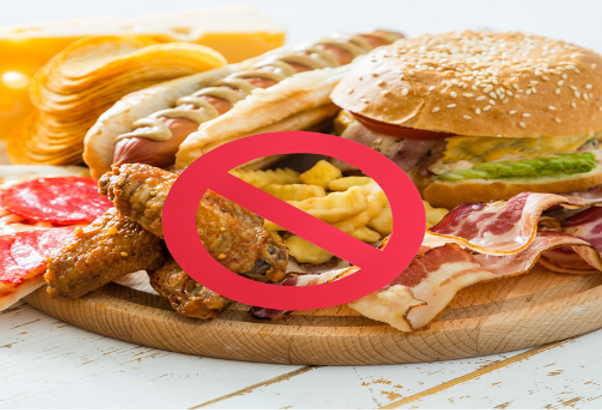
Okay, let’s be honest: we all love those convenient snacks and ready-to-go meals that make life a little easier. Who hasn’t grabbed a bowl of Fruit Loops for breakfast or a combo meal on the way home after work? But here’s the thing: those everyday convenience foods we’ve come to love might do more harm than we realize. They can be tasty snacks, but they may contribute to serious health problems over time.
Understanding the Processed Food Landscape
To understand the issue, it’s helpful to know what constitutes an ultra-processed food. The NOVA classification system, developed by researchers in Brazil, categorizes foods based on the extent of industrial processing. UPFs fall into the most processed category, characterized by:
- Industrial Concoctions: These foods are manufactured using many “industrial processes” and contain long lists of ingredients you wouldn’t typically find in a home kitchen.
- The Additives: UPFs often contain flavor enhancers, artificial colors, preservatives, and other additives designed to extend shelf life, enhance flavor, and, ultimately, keep you coming back for more. Some are even banned in different countries but widely available in the U.S.
- Addictive Flavors: As Mark Schatzker explains in his book The Dorito Effect: The Surprising New Truth About Food and Flavor (Amazon Link), “The food industry has mastered the art of creating addictive flavors… These hyper-palatable foods can hijack our taste buds, making it harder for us to appreciate the natural flavors of whole foods.”
The Mounting Evidence: UPFs and Chronic Diseases
Numerous studies have linked UPF consumption to an increased risk of various chronic diseases:
- Obesity: UPFs are often energy-dense, low in nutrients, and designed to be overconsumed. Dr. Kevin Hall, a senior investigator at the National Institute of Diabetes and Digestive and Kidney Diseases, notes, “Ultra-processed foods are designed to be overconsumed. They bypass our natural satiety signals, increasing calorie intake and weight gain.” (Hall, K. D., et al. (2019). Ultra-processed diets cause excess calorie intake and weight gain: An inpatient randomized controlled trial of ad libitum food intake. Cell metabolism, 30(1), 67-77.) [Link to study on PubMed]
- Cardiovascular Disease: A large-scale study published in the British Medical Journal found that higher consumption of UPFs was associated with an increased risk of cardiovascular disease, including heart attacks and strokes. (Srour, B., et al. (2019). Ultra-processed food intake and risk of cardiovascular disease: prospective cohort study (NutriNet-Santé). BMJ, 365, l1451. [Link to study on BMJ.
- Type 2 Diabetes: Research published in JAMA Internal Medicine showed a link between UPF consumption and an increased risk of type 2 diabetes, independent of other lifestyle factors. (Ley, S. H., et al. (2016). Ultra-processed foods, dietary patterns, and incidence of type 2 diabetes mellitus among persons with type 2 diabetes: a prospective cohort study. JAMA Internal Medicine, 176(11), 1657-1665. [Link to study on JAMA Network])
- Cancer: A study published in The BMJ found that a 10% increase in the proportion of UPFs in the diet was associated with a significant increase in the risk of overall cancer, particularly ovarian and breast cancers. (Fiolet, T., et al. (2018). Consumption of ultra-processed foods and cancer risk: results from NutriNet-Santé prospective cohort. BMJ, 360, k322. [Link to study on BMJ])
- Other Chronic Conditions: Emerging research suggests potential links between UPFs and conditions like non-alcoholic fatty liver disease, kidney disease, and even mental health issues.
The Mechanisms Behind the Link
Several mechanisms explain the connection between UPFs and chronic diseases:
- Nutritional Deficiencies: UPFs often lack essential nutrients, contributing to deficiencies that increase disease risk.
- Inflammation: UPFs can promote chronic inflammation, a key driver of many chronic diseases.
- Gut Microbiome Disruption: The artificial ingredients and additives in UPFs can disrupt the gut microbiome, potentially contributing to disease development.
- Hormonal Imbalances: UPFs can disrupt hormonal balance, affecting metabolism and increasing disease risk.
Taking Action: Protecting Your Health
While the evidence is concerning, the good news is that we have the power to make healthier choices. Here’s how you can reduce your UPF consumption:
- Cook More Often: Prepare meals at home using whole, unprocessed ingredients. Eat real food that is as close to the source as possible.
- Read Labels Carefully: Avoid products with long lists of additives and unfamiliar ingredients.
- Choose Whole Food Snacks: Pick fruits, vegetables, nuts, and seeds instead of processed snacks.
- Be Mindful of Portions: Even when consuming UPFs, pay attention to portion sizes and frequency.
REAL FOOD
Strategy: Eat “Real Food”
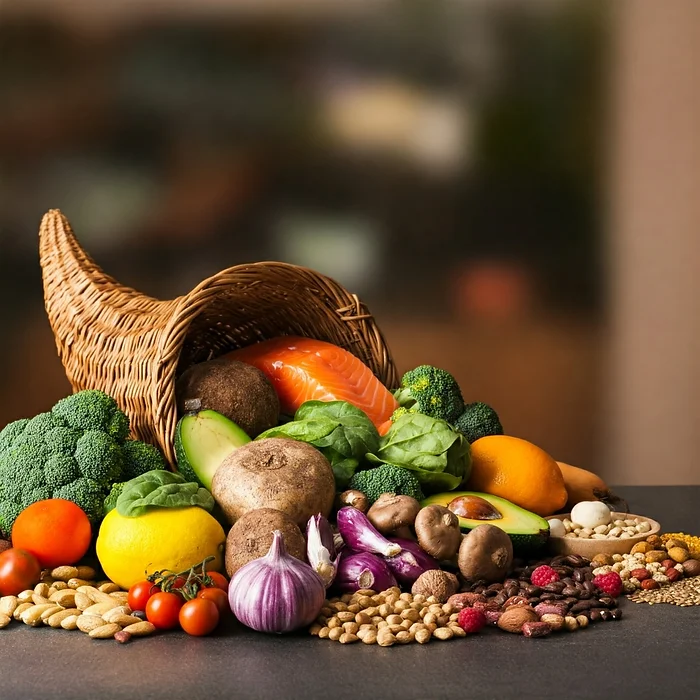
The “real food” philosophy centers on choosing foods as close to their natural state as possible. Think vibrant fruits and vegetables bursting with flavor, whole grains that provide sustained energy, lean proteins that nourish your muscles, and healthy fats that support brain function and heart health.
What does a real food diet look like?
- Abundant in whole foods: Fill your plate with colorful fruits and vegetables, whole grains like quinoa and brown rice, lean proteins such as fish and poultry, and healthy fats from sources like avocados, nuts, and olive oil.1
- Minimal processing: Choose foods that have been minimally processed, such as plain yogurt, frozen fruits and vegetables, and whole-grain bread.
- Limited additives: Avoid foods with long lists of artificial ingredients, preservatives, and flavor enhancers.2
- Home-cooked meals: Embrace the joy of cooking! Preparing meals at home allows you to control the ingredients and create delicious, nourishing dishes.3
- Mindful eating: Listen to your body’s cues for hunger and fullness and enjoy the flavors of your food.
Why choose a real food diet?
- Nutrient density: Real foods contain essential vitamins, minerals, and antioxidants that support optimal health and well-being.5
- Improved digestion: Fiber-rich whole foods promote healthy digestion and a balanced gut microbiome.6
- Sustained energy: Real foods provide sustained energy levels, helping you feel your best throughout the day.7
- Reduced disease risk: A diet rich in real foods can help reduce your risk of chronic diseases like heart disease, type 2 diabetes, and certain cancers.8
- Enhanced well-being: Eating real food can improve your mood, sleep quality, and overall well-being.
Resources for further exploration:
- 100 Days of Real Food: This website and accompanying book offer practical tips, recipes, and resources for transitioning to a real food lifestyle. 100 Days of Real Food (Amazon Link)
- The Real Food Diet: This book provides delicious and healthy recipes for whole and minimally processed foods. Real Food: What to Eat and Why (Amazon Link)
Conclusion
• The link between ultra-processed foods and chronic diseases is a serious concern. Making informed food choices and prioritizing whole, unprocessed foods can significantly reduce risk and improve overall health. #HealthIsWealth
#FoodAdditives #CookAtHome
Disclaimers:
- AI Usage Disclosure: This article was written with the assistance of an AI language model for research and outlining. It was then rewritten and edited by a human to ensure accurate information.
- Amazon Affiliate Disclaimer: As an Amazon Associate, I may earn a small commission from qualifying purchases at no additional cost to you
 lifetransformation.shop
Leave a comment