

Medical Disclaimer:
The information provided in this blog post is intended for general knowledge and informational purposes only and does not constitute medical advice. It is essential to consult with a qualified healthcare professional for any health concerns or before making any decisions related to your health or treatment.
As parents, we want the best for our children. We strive to provide them with love, support, and opportunities to succeed and be healthy. But in today’s world, one of the biggest hurdles we face is overcoming the presence of ultra-processed foods. They seem to be everywhere!
From brightly colored cereals to conveniently packaged snacks, these foods have become ubiquitous in our children’s lives. But beneath the appealing packaging and catchy slogans lies a hidden reality that can impact their health and well-being.
Understanding the Challenge
Ultra-processed foods are designed to be convenient and appealing, but they lack the essential nutrients growing bodies need. They are typically high in added sugars, unhealthy fats, and artificial ingredients while being low in vitamins, minerals, and fiber.
“These are industrially produced formulations of food substances… often high in unhealthy types of fat, sugar, and salt, and made convenient and hyper-palatable by the addition of flavorings, colorings, emulsifiers and other cosmetic additives,” explains Dr. Chris van Tulleken, author of Ultra-Processed People: The Science Behind Food That Isn’t Food (Amazon Link)”They are aggressively marketed, cheap, and designed to be overconsumed.”
The good news is that we can make a positive difference. By understanding the risks and taking proactive steps, we can empower our children to make healthier choices and develop lifelong healthy eating habits.
Food Marketing to Children
Food marketing can significantly influence children’s food preferences, choices, and intake. Companies employ numerous tactics to reach young audiences, including television advertising, online marketing through games and apps, product placement in movies and TV shows, eye-catching packaging, and even toys and clothing. This marketing often focuses on ultra-processed foods that are high in sugar, unhealthy fats, and sodium, contributing to unhealthy eating habits and increased risk of obesity and other health issues.
The World Health Organization (WHO) recognizes the powerful impact of food marketing on children and recommends that countries implement comprehensive policies to protect children from the marketing of unhealthy foods and beverages. As Marion Nestle points out in her book Food Politics: How the Food Industry Influences Nutrition and Health, “Food marketing to children is a major public health problem. Children are bombarded with messages that promote unhealthy foods and create lifelong cravings.” Parents and caregivers can play a crucial role in mitigating the effects of food marketing by teaching children about healthy food choices, media literacy, and critical thinking skills.
The Impact on Growing Bodies
Children’s bodies are constantly developing, and their nutritional needs are unique. Ultra-processed foods can impact their growth and development in several ways:
- Nutrient Deficiencies: These foods often lack essential nutrients, leading to deficiencies that affect growth, bone health, and cognitive development.
- Weight Management Challenges: The high-calorie density and low nutritional value of ultra-processed foods can contribute to weight gain and childhood obesity. As Dr. Kevin Hall, a senior investigator at the National Institute of Diabetes and Digestive and Kidney Diseases, explains, “Ultra-processed foods are designed to be overconsumed. They bypass our natural satiety signals, leading to increased calorie intake and weight gain.” (Hall, K. D., et al. (2019). [Link to study on PubMed] Ultra-processed diets cause excess calorie intake and weight gain: An inpatient randomized controlled trial of ad libitum food1 intake. Cell metabolism, 30(1), 67-77.)
- Disrupted Taste Preferences: “The food industry has mastered the art of creating addictive flavors,” says Mark Schatzker, author of The Dorito Effect: The Surprising New Truth About Food and Flavor (Amazon Link). “These hyper-palatable foods can hijack children’s taste buds, making it harder for them to appreciate the natural flavors of whole foods.”
Long-Term Health Risks: Early exposure to ultra-processed foods can increase the risk of chronic diseases like heart disease, type 2 diabetes, and certain cancers later in life. “Children are particularly vulnerable to the negative effects of food marketing,” warns Marion Nestle, author of Food Politics: How the Food Industry Influences Nutrition and Health (Amazon Link). “They are bombarded with messages that promote unhealthy foods and create lifelong cravings.”
Empowering Our Kids to Make Healthy Choices
The key to protecting our children is to empower them with knowledge and create a supportive environment where healthy choices are the norm. Here’s how:
1. Become Food Detectives:
- Turn grocery shopping into an adventure! Teach your children to read food labels and identify ultra-processed foods. Look for short ingredient lists with recognizable items.
- Play “Spot the Difference” games, comparing the ingredients in a packaged snack versus a whole-food alternative.
2. Cook Together and Explore New Flavors:
- Make cooking a family affair. Involve your children in meal preparation, from choosing recipes to chopping vegetables.
- Explore new flavors and cuisines together. Visit farmers’ markets, try different fruits and vegetables, and experiment with healthy recipes.
3. Create a Balanced Plate:
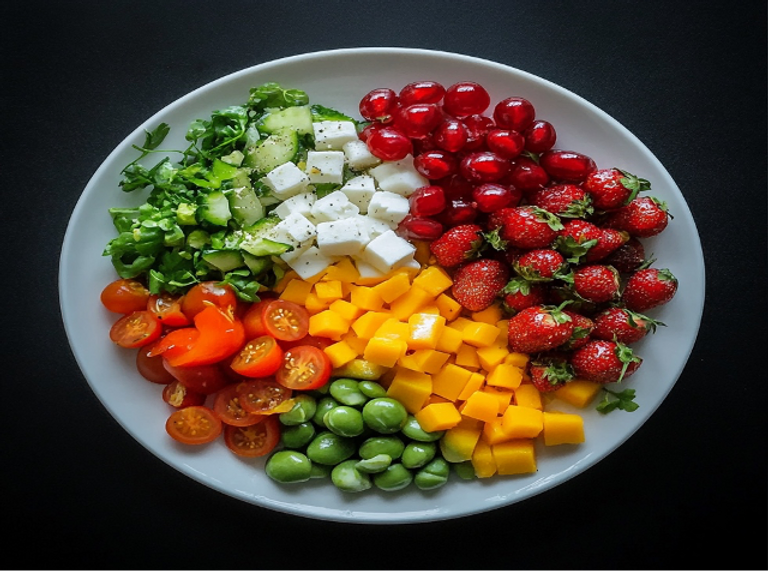
- Teach your children about the importance of a balanced diet. Fill their plates with colorful fruits, vegetables, whole grains, lean proteins, and healthy fats.
- Make mealtimes fun and engaging. Create colorful salads, build “food faces” with vegetables, and let your children choose their favorite healthy snacks.
4. Limit Added Sugars:
- Be mindful of hidden sugars in processed foods and drinks. Choose water, milk, or unsweetened beverages as the primary drinks.
- Offer naturally sweet treats like fruits and homemade baked goods with less sugar.
5. Pack Nutritious Lunches:
- Get creative with school lunches. Pack whole-grain sandwiches, colorful salads, fresh fruits and vegetables, and healthy snacks like yogurt or nuts.
- Involve your children in packing their lunches, allowing them to choose from various healthy options.
6. Be a Role Model:
- Children learn by watching. Make healthy eating a priority for the whole family.
- Share your love of whole foods and healthy cooking with your children.
7. Celebrate Small Victories:
- Changing eating habits takes time and effort. Celebrate every small step your child takes toward healthier choices.
- Focus on progress, not perfection. Don’t get discouraged by occasional setbacks.
Bonus: Try this easy recipe to get started:
Ants on a Log
This classic snack is a fun and easy way for kids to eat fruits and vegetables. It’s also a great source of fiber, protein, and healthy fats source.
Ingredients:
- Celery sticks
- Peanut butter (or any nut butter)
- Raisins
Instructions:
- Wash and dry the celery sticks.
- Spread peanut butter evenly inside the groove of each celery stick.
- Place raisins along the peanut butter, resembling “ants on a log.”
Tips:
- For younger children, you can cut the celery sticks into smaller pieces.
- If your child has a peanut allergy, you can substitute sunflower seed butter or tahini for the peanut butter.
- Get creative! Other toppings like dried cranberries, chopped nuts, or shelled sunflower seeds can be used.
Creating a Brighter Future
By empowering our children with knowledge and creating a supportive environment, we can help them develop a positive relationship with food and make healthy choices that will benefit them for a lifetime. Let’s work together to create a brighter future for our kids, one nutritious meal at a time.
Consider visiting my blog for more health and travel information, and if you are so inclined, please subscribe. I post new articles every week and take suggestions for new material to write about. What are you interested in reading about? Let me know, and I will do my best to discover the latest trends in your area of interest. Here is my blog address: www.thrivingtraveler.com
Amazon Affiliate Disclaimer:
As an Amazon Associate, I may earn from qualifying purchases at no additional cost to you.
Disclosure of AI Usage:
This blog post was created with the research and outlines of an AI writing tool. Links are provided for source attribution.
 lifetransformation.shop
Leave a comment