
A Journey to Inner Peace and Health

Medical Disclaimer: The information provided here is intended for general knowledge and informational purposes only and does not constitute medical advice.
The fast-paced and stressful world we live in makes it hard to find moments of peace during the day. However, the simple act of drinking tea can become a powerful tool for mindfulness, personal growth, and health improvement. The Mindful Tea Ceremony is the subject of this article, with a particular emphasis on China’s Gong Fu Cha tradition and the many health advantages associated with drinking green tea
Tea Meditation: The Essence of the Practice
Tea meditation is a practice that blends the ritual of preparing and drinking tea with techniques that have been developed to help people become more attentive. Slowing down, connecting with the here and now, and cultivating a sense of inner calm are all possible outcomes of this practice. Tea meditation requires no prior understanding of meditation methods; all needed is a desire to be present. This is where the beauty of tea meditation lies.
Chinese Gong Fu Cha Gong Fu Cha, which translates to “making tea with skill,” is a traditional Chinese way of brewing tea that emphasizes precision, attention, and enjoyment of the tea’s attributes. Compared to its Japanese equivalent, this ceremony is more laid back and convivial, encouraging participant conversation and communication.
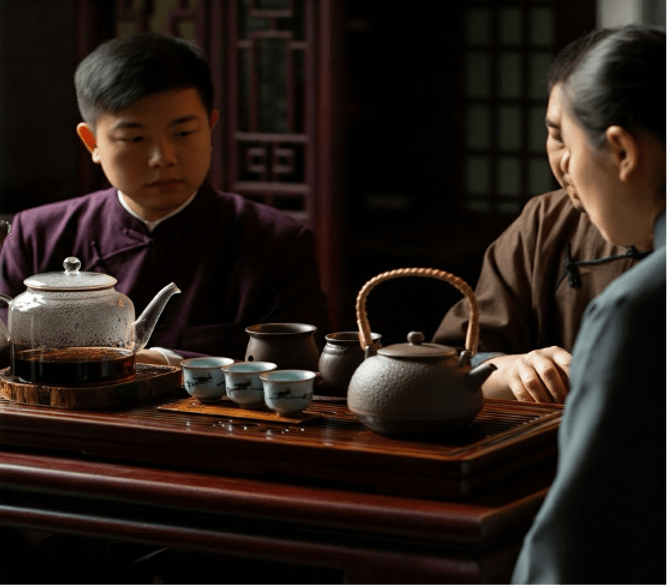
Incorporating Tea Meditation into Daily Life
If you want to experience the benefits of tea meditation, you do not need to be an expert in Gong Fu Cha or meditation to do so. For those who like to practice at home, the following recommendations are available:
1. You should set your daily tea meditation practice for at least five to ten minutes. This is the minimum amount of time you should devote to this exercise.
2. Create a calm environment by eliminating any potential sources of distraction, such as mobile phones or computers, and choosing a location devoid of background noise.
3. Consume high-grade tea: If you want to get the most out of your experience, you should get organic loose-leaf green tea of the highest possible quality.
4. Make consistent use of it: Like any other ability, consistent practice may enhance tea meditation. Take advantage of this opportunity.
5. Remember that it is perfectly normal for your wandering thoughts to occur. Exert some patience. If something like this takes place, you should gently bring your focus back to the tea
The Mindful Tea Ritual
1. Preparation:
- Choose your tea: The type of tea will influence the water temperature and brewing time. Popular choices include green tea, oolong tea, black tea, white tea, and Pu-erh tea.
The Art of Tea is a great place to find high-quality teas with a large selection: www.theartoftea.com
- Gather your tools: You’ll need a teapot (gaiwan or Yixing teapots are common), teacups, a tea pitcher (chahai), a strainer, a tea tray (to catch spills), a hot water kettle, and a tea towel. This teapot set is perfect for your tea ceremony: Yixing Filter Teapot Handmade Purple Clay Tea-ware Set.
- Heat water: Heat filtered water to the appropriate temperature for your chosen tea.
2. Warming the Pot and Cups:
- Rinse with hot water: Pour hot water into the teapot and teacups to preheat them. This helps maintain the tea’s temperature and enhances the flavor. Discard the water.
3. Adding Tea Leaves:
- Measure tea leaves: The amount varies depending on the tea and your preference, but a general guideline is one teaspoon per 8 ounces of water.
- Place leaves in the pot: Add the tea leaves to the warmed teapot.
4. First Rinse (Awakening the Leaves):
- Quick rinse: Pour hot water over the tea leaves and immediately discard the water. This helps to rinse the leaves and “awaken” their flavor.
5. Brewing the Tea:
- Pour hot water: Fill the teapot with the appropriate temperature water for your tea.
- Steep: Steeping times vary depending on the tea. Start with a short steeping time (e.g., 15-30 seconds) and increase with subsequent infusions.
6. Serving the Tea:
- Pour into the pitcher: Pour the brewed tea from the teapot into the tea pitcher. This ensures that the tea is evenly distributed among the cups.
- Serve to guests: Pour tea into the teacups, filling them about 70% full.
7. Multiple Infusions:
- Repeat brewing: Many Chinese teas can be steeped multiple times, with each infusion revealing different flavors and aromas. Adjust the steeping time as needed.
Additional Tips:
- Water quality: Use good quality filtered water for the best flavor.
- Tea temperature: Be mindful of the water temperature for different tea types. Overheating can make tea bitter.
- Experiment: Don’t be afraid to experiment with different teas, brewing times, and water temperatures to find what you enjoy most.
Presentation: The presentation of the tea and the ceremony itself is an essential part of the experience. Take your time and enjoy the process.
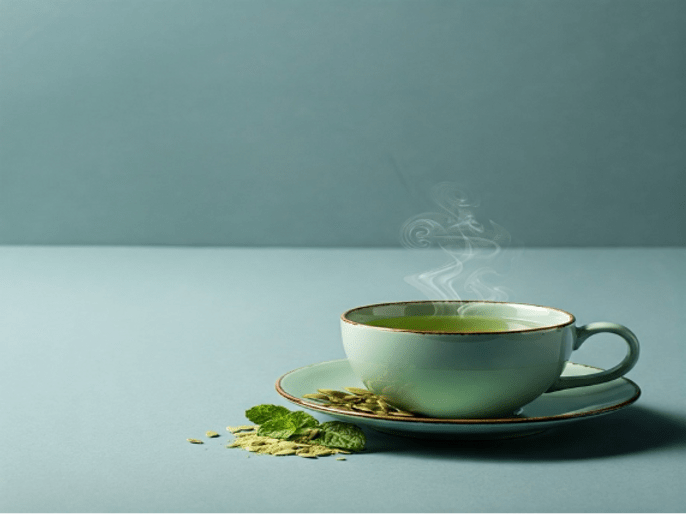
Health Benefits of Green Tea
Incorporating green tea into your daily routine, whether through Gong Fu Cha or more straightforward preparation methods, can offer numerous health benefits:
1. Rich in antioxidants: Green tea is high in polyphenols, particularly catechins and epigallocatechin gallate (EGCG), which protect against cellular damage[1].
2. Heart health: Regular consumption may lower the risk of cardiovascular diseases. A large study in Japan found that drinking five or more cups daily was associated with reduced mortality from heart disease.[2].
3. Weight management: Green tea may boost metabolism and aid in weight loss, though its effects are modest [1].
4. Brain function: Combining caffeine and L-theanine in green tea can improve focus and attention and protect against age-related cognitive decline [1][5].
5. Blood sugar control: Studies suggest green tea may improve insulin sensitivity and help manage blood sugar levels, potentially reducing the risk of type 2 diabetes [1][4].
6. Cancer prevention: While more research is needed, some studies indicate that the antioxidants in green tea may help prevent certain types of cancer [6].
7. Bone health: Green tea consumption may help maintain bone density and reduce the risk of fractures [1].
8. Oral health: The natural fluoride content in green tea may help prevent tooth decay [2]. 9. Liver protection: Some studies suggest green tea may protect liver function [4].
10. Longevity: Regular green tea consumption has been associated with a lower risk of all-cause mortality in some populations [2].
Enjoy your tea ceremony!
In conclusion, combining the mindful practice of tea drinking, inspired by traditions like Gong Fu Cha, with the consumption of green tea offers a powerful way to cultivate mindfulness, reduce stress, and improve overall health. By incorporating this practice into your daily routine, you can transform a simple cup of tea into a tool for personal growth, inner peace, and well-being.
Art Of Tea is the best resource for organic teas and botanicals. They offer many different teas of the highest quality. Click the image below for more information.
Please visit my blog to learn more about Green Tea’s health benefits. www.thrivingtraveler.com
Affiliate Disclosure: This article contains Affiliate links, which means I may earn a small commission from purchases made. This is at no additional cost to you.
AI Usage Disclosure:
This article was written using an AI language model for research and outlining.
It was then rewritten and edited by a human to ensure accurate information.
Citations:
[1] https://www.bbcgoodfood.com/health/nutrition/health-benefits-green-tea
[2] https://www.hsph.harvard.edu/news/hsph-in-the-news/green-tea-healthy-habit/
[3] https://www.webmd.com/diet/health-benefits-green-tea
[4] https://pmc.ncbi.nlm.nih.gov/articles/PMC2855614/
[5] https://health.clevelandclinic.org/green-tea-health-benefits
[6] https://www.mountsinai.org/health-library/herb/green-tea
 lifetransformation.shop
Leave a comment