
How It Affects Your Mind as You Age
Medical Disclaimer: The information provided here is intended for general knowledge and informational purposes only and does not constitute medical advice.
Do you find that you have been experiencing a sense of haziness lately? Do you have a weak memory? There is a possibility that these are not just “senior moments.” It may come as a surprise to you, but the strength of your digestive tract may be a significant factor in deciding how sharp your brain will remain as you age.
You may be asking yourself, “My gut? What is the nature of the relationship between that and my brain? In addition to being a very intriguing topic, the answer is even more fascinating than you may have thought.
Your digestive tract is a secret world filled with living things continually moving around. It’s home to various bacteria, each of which can be classified into a specific category. Microorganisms such as bacteria, fungi, viruses, and others are included in this category. When scientists discuss the collection of organisms found in the digestive tract, they refer to this collection as the “gut microbiome.”
A balanced and thriving gut microbiome is like a well-run city, with everyone working together in harmony. But as we age, this inner city can start to experience some shifts. The diversity of our gut residents may decline, and we may see an increase in “troublemakers” that cause inflammation.
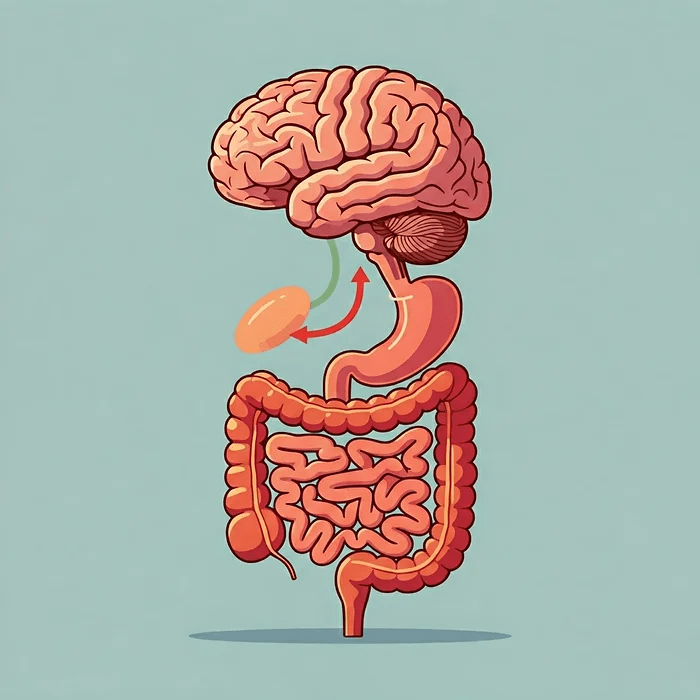
GUT-BRAIN
The Gut Microbiome’s Many Roles
- Digestion: They help break down your food and extract nutrients.
- Immunity: They train your immune system to fight off harmful invaders.
- Mood: They even produce chemicals that influence your mood and emotions.
Here’s where the connection to your brain comes in.
The Gut-Brain Communication Highway
Your gut and brain are constantly communicating, like two close friends chatting on the phone. They use a variety of channels to stay connected:
- The Vagus Nerve: A direct “phone line” that sends signals between the gut and the brain.
- The Immune System: Shared messengers that travel throughout the body.
- Hormones: Chemical messengers that influence both gut and brain activity.
- Neurotransmitters: Brain chemicals that affect mood, thinking, and behavior. Many of these are actually produced in the gut!
Some important neurotransmitters made in the gut include Serotonin (linked to happiness and well-being), Dopamine (involved in motivation and reward), and GABA (which helps calm the brain).
“The gut microbiome plays a critical role in the regulation of brain function and behavior,” says Dr. Emeran Mayer, a gastroenterologist and neuroscientist at UCLA who is also the author of the book “The Mind-Gut Connection.” “It influences everything from mood and anxiety to cognition and memory.”
Dysbiosis occurs when the “inner city” of the stomach becomes unbalanced and
has the potential to disrupt these communication routes, affecting the functioning of the brain. A balanced microbiome has a healthy diversity of microorganisms where no single bacteria, virus, or fungus dominates. Dysbiosis means there’s a lack of diversity and balance. When they’re imbalanced, it changes how they function in your body. (Cleveland Clinic)
How Gut Health Affects Your Aging Brain
· Inflammation and the Brain: Inflammation is like a fire alarm going off in the body. While it’s helpful in short bursts to fight off infections, chronic inflammation is like a constant alarm that can damage the brain. An unhealthy gut can contribute to this ongoing inflammation.
· Nutrient Absorption and Brain Health: Your gut microbes are crucial in how well you absorb nutrients from food. They help break down food into building blocks your brain needs to function optimally, like omega-3 fatty acids (found in fatty fish) and B vitamins (found in leafy greens and whole grains).
· Blood-Brain Barrier: The blood-brain barrier is like a security checkpoint that protects your brain from harmful substances. A healthy gut helps keep this barrier strong, preventing unwanted intruders from entering the brain.
- Specific Cognitive Functions:
- Memory: “Studies suggest that certain gut bacteria can influence the formation and retrieval of memories,” says Dr. David Perlmutter, a neurologist and author of Brain Maker. “A healthy gut may help keep your memory sharp.”
- Focus and Attention: Ever feel like you can’t concentrate? Gut imbalances can affect your ability to focus and pay attention. Supporting your gut may improve your mental clarity.
- Decision-Making: Emerging research suggests that gut health may even play a role in decision-making abilities. A healthy gut could contribute to clearer thinking and better judgment.
Nourishing Your Gut for a Sharper Mind
You have the power to shape your gut microbiome through the foods you eat. Here’s how to create a thriving “inner city”:
- Prebiotic-Rich Foods: “Feed your beneficial gut bacteria with prebiotic fibers found in fruits, vegetables, and whole grains,” advises Dr. Will Bulsiewicz, a gastroenterologist and author of Fiber Fueled. “Think of these as the fertilizer for your gut garden.”
- Fermented Foods: Introduce friendly bacteria directly into your gut with fermented foods like yogurt (with live cultures), sauerkraut, kimchi, and kefir.
Polyphenol-Rich Foods: Give your gut an extra boost with polyphenols, powerful antioxidants in colorful berries, green tea, and dark chocolate.
Lifestyle Habits for a Healthy Gut and Brain
- Stress Management: Stress can wreak havoc on your gut. Find healthy ways to manage stress, such as mindfulness practices, exercise, spending time in nature, or pursuing hobbies you enjoy.
- Quality Sleep: Aim for 7-8 hours of quality sleep each night. Sleep deprivation can disrupt your gut microbiome and impair cognitive function.
- Exercise: Get moving! Regular physical activity benefits both your gut and your brain. Find activities you enjoy and make them a part of your routine.
Conclusion
The bottom line is that the interaction between your digestive tract and your brain is critical, especially as you age. Additionally, this relationship is important. If you take care of the microbiome in your gut, you may be able to improve your cognitive health and ensure that you will continue to have a sharp mind for many years to come.
Today is the day to start offering your stomach the nourishment it needs by adopting a diet rich in nutrients, employing techniques for stress management, and indulging in regular physical activity. Because of your intelligence, they will be thankful to you!
If you want to gain a deeper understanding of this fascinating topic, it is strongly suggested that you read The Mind-Gut Connection by Emeran Mayer, MD.
My blog is LifeTransformation.shop , where you will find more articles and information on Health and Wellness, Travel, and the benefits of drinking green tea. You may also want to subscribe to my weekly newsletter if you so desire. Thank you for reading!
AI Usage Disclosure:
This article was written using an AI language model for research and outlining. It was then rewritten and edited by a human to ensure accurate information.
Amazon Affiliate Disclaimer:
As an Amazon Associate, I may earn a small commission from qualifying purchases, at no additional cost to you.
 lifetransformation.shop
Leave a comment