
A Wake-Up Call for Modern Diets
Medical Disclaimer The information provided here is intended for general knowledge and informational purposes only and does not constitute medical advice.
I’ve previously written about the health implications of eating Ultra-Processed Foods and how to decrease or eliminate them from our diets. Many of us have lived most of our lives without thinking about the food we put into our bodies. I have learned much about healthy eating from personal experience and research in the last few years. This article will discuss UPFs and a new threat to our health: Plastic contamination.
As you will see, the two are closely linked.
The Toxic Relationship: Ultra-Processed Foods and Plastic Contamination
Recent research has uncovered a disturbing connection between UPFs and plastic contamination, presenting a dual threat to human health and the environment. According to recent research, we are overwhelmed with these unhealthy foods, and plastic packaging may make them worse. If you add the two together, it could be a one-two punch to our health and wellness.
Understanding Ultra-Processed Foods
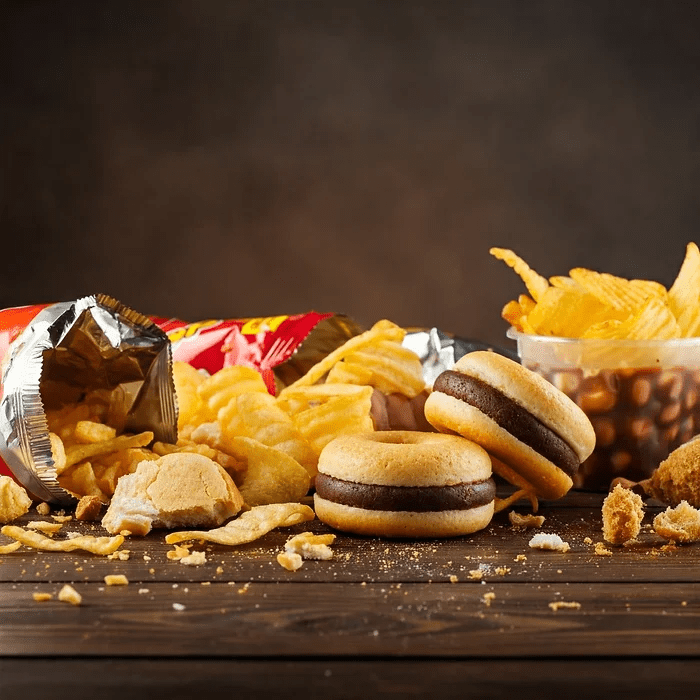
Ultra-processed foods are industrial formulations made mostly from substances extracted from foods, such as fats, starches, added sugars, and hydrogenated fats. They often contain additives like artificial colors, flavors, preservatives, and emulsifiers. Examples include:
1. Carbonated soft drinks
2. Packaged snacks (chips, cookies)
3. Mass-produced breads and buns
4. Pre-prepared meals (frozen dinners)
5. Reconstituted meat products (hot dogs, chicken nuggets)
The NOVA classification system, developed by Dr. Carlos Monteiro and colleagues, categorizes foods based on their level of processing. UPFs fall into the fourth group, which is the most heavily processed. The NOVA Classification is explained in further detail here.
A practical way to identify UPFs is to check if the ingredient list contains items rarely used in kitchens, such as high-fructose corn syrup, hydrogenated oils, hydrolyzed proteins, or additives designed to enhance palatability, like flavors, colors, or emulsifiers. Remember: If you can’t pronounce it, don’t eat it!
The Intertwined Nature of UPFs and Plastics
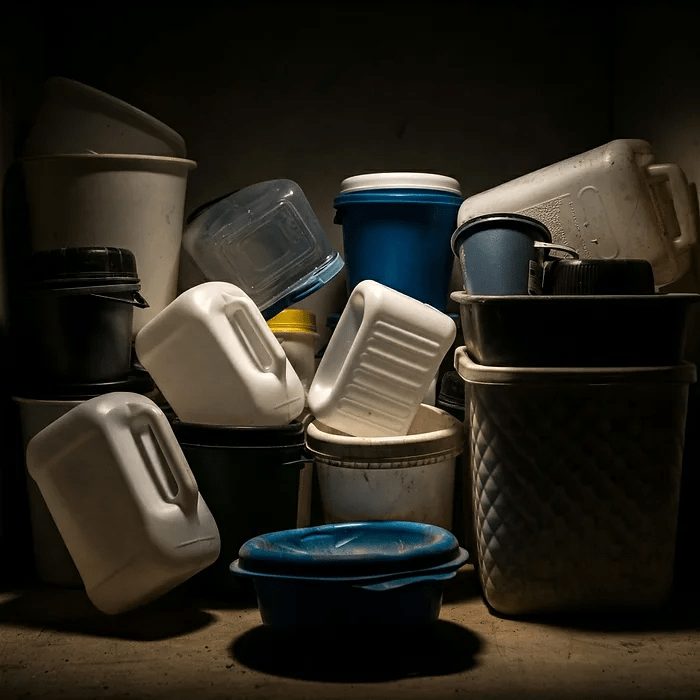
Ultra-processed foods and plastics share a symbiotic relationship that extends beyond mere packaging. A recent commentary published in Globalization and Health highlights how the lifecycles and economic benefits of UPFs and plastics interact to produce a range of direct and indirect harms.
Key points from the research include:
1. UPFs heavily rely on plastics for production, packaging, and distribution.
2. Major UPF producers are also significant contributors to plastic pollution.
3. The properties of UPFs, such as acidity and high-fat content, can increase the migration of plastic chemicals into food.
Health Implications of the UPF-Plastic Connection
The combined health risks of UPFs and plastic contamination are becoming increasingly apparent:
1. Chemical Migration: Thousands of food contact chemicals (FCCs) from plastic packaging and processing equipment can migrate into food. A recent study shows that our bodies absorb 25% of more than 3,600 FCCs in plastic packaging, food processing equipment, and kitchenware.
2. Endocrine Disruption: Many plastic chemicals, including bisphenol A (BPA) and phthalates, are linked to hormonal issues.
3. Chronic Disease Risk: UPFs and plastic-related chemicals have been associated with increased risks of cardiovascular diseases, obesity, diabetes, and other non-communicable diseases.
4. Cancer Risk: Some studies have found associations between high UPF intake and certain types of cancer.
Microplastic Contamination in UPFs
Recent studies have shown that UPFs contain higher levels of microplastic contamination compared to minimally processed foods:
1. A study found microplastics in 88% of food samples tested, with higher concentrations in highly processed products.
2. Mean particle concentrations ranged from 0.01 particles/g in chicken breast to 1.3 particles/g in breaded shrimp.
3. Increased contact with plastic food processing equipment during manufacturing contributes to higher microplastic levels in UPFs.
Expert Opinions on the UPF-Plastic Connection
Experts in the field have expressed growing concern about the combined threats of UPFs and plastics:
1. Dr. Joe Yates from the London School of Hygiene & Tropical Medicine emphasizes that the scale of harm from UPFs and plastics is underappreciated, with many chemicals detected in humans and the environment still inadequately tested for long-term effects.
2. Researchers from the Food Packaging Forum caution that the widespread use of plastic in UPF packaging exacerbates health risks by introducing additional toxic exposures.
3. A team of international experts, including those from the Food Packaging Forum, argue that current policies on UPFs and plastic chemicals may not be suitable, given the increasing global burden of non-communicable diseases potentially linked to chronic chemical exposures.
The Prevalence of UPFs in Modern Diets
The ubiquity of UPFs in our diets is alarming. According to a study published in the BMJ, ultra-processed foods are the primary source (nearly 58%) of calories eaten in the US, contributing almost 90% of the energy we get from added sugars [1].
Several factors drive this high consumption rate:
1. Convenience: UPFs are designed to be ready-to-eat or quick to prepare.
2. Affordability: Many UPFs are cheaper than whole, minimally processed foods.
3. Palatability: UPFs are engineered to be hyper-palatable, encouraging overconsumption.
4. Marketing: Aggressive marketing strategies promote UPFs, often targeting children and adolescents.
Environmental Impact
The relationship between UPFs and plastics extends beyond health concerns to environmental issues:
1. Plastic Pollution: The packaging of UPFs contributes significantly to plastic waste. Over a third of the plastics produced globally are used for packaging, with about 83% of flexible food packaging made from plastic.
2. Carbon Footprint: The production and distribution of UPFs, along with their plastic packaging, contribute to greenhouse gas emissions.
3. Biodiversity Loss: The industrial food system that produces UPFs is linked to deforestation, soil degradation, and biodiversity loss.
Practical Ways to Reduce Plastic Contamination in Food
You can reduce your exposure to plastics by making some simple changes:
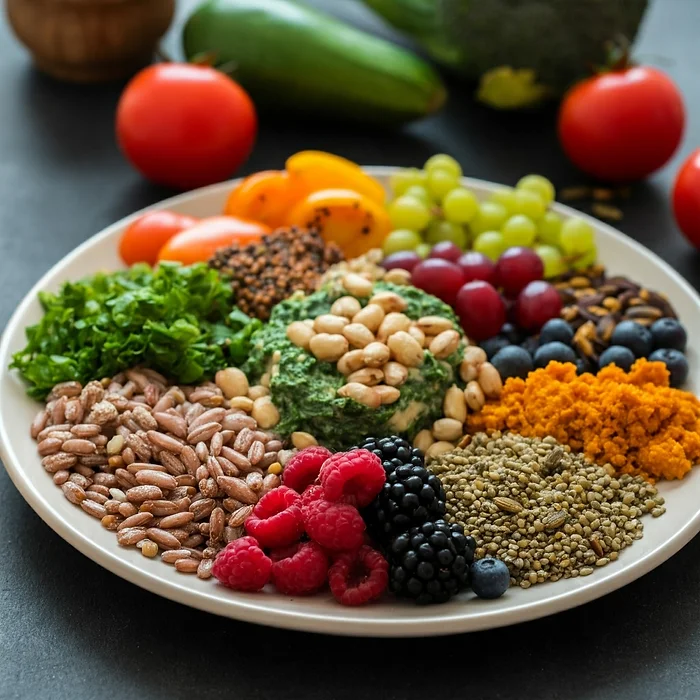
- Food Choices: Choose fresh, whole foods like fruits, vegetables, and unprocessed meats to minimize packaging. Prepare more meals at home to control ingredients and packaging.
- Storage & Preparation: Use glass or stainless-steel containers for leftovers and packed lunches. Never heat food in plastic; transfer it to glass or ceramic containers first.
- Smart Shopping:
Buy in bulk to reduce packaging waste. Bring your own cloth bags for produce. Choose plastic-free tea bags. Avoid canned foods with plastic linings. Support brands and retailers committed to reducing plastic use.
- Water: Filter tap water with a high-quality filter to reduce microplastic consumption.
To address the combined threats of UPFs and plastic contamination, a multifaceted approach is needed:
- Research: More studies are needed to understand the interactions between UPFs and plastics and their long-term health effects.
- Consumer Awareness: Raising awareness about the risks associated with UPFs and plastic contamination can help individuals make informed choices.
- Sustainable Alternatives: Develop and promote eco-friendly packaging options and minimally processed food choices to reduce reliance on plastics and UPFs.
- Industry Accountability: Hold UPF producers accountable for contributing to plastic pollution and potential health risks.
- Regulation: Strengthen regulations on food contact materials and UPF production to mitigate health and environmental risks.
- Promote Whole Foods: Encourage the consumption of minimally processed whole foods to reduce exposure to UPFs and plastic-related chemicals.
- Improved Labeling: Ensure clear and comprehensive labeling of UPFs and their packaging materials so consumers can make informed decisions.
Here’s what we can do:
- Understand the Link: Recognize the toxic relationship between UPFs and plastics and how they impact human health and the environment.
- Make Informed Choices: As consumers, we can make a difference by choosing minimally processed foods and reducing our reliance on plastic packaging.
- Reimagine Our Food Systems: Advocate for a food system prioritizing health, sustainability, and equity.
Conclusion
The relationship between ultra-processed foods (UPFs) and plastic contamination is a complex challenge with profound implications for public health and the environment. Addressing these interconnected problems requires a comprehensive approach involving consumers, industry, and policymakers. By taking action now, we can mitigate the risks and create a healthier future for both people and the planet.
Sources
- Monteiro CA et al., “Ultra-Processed Foods Are Becoming Dominant in the Global Food System,” Nature.
- Globalization & Health commentary on links between plastics & ultra-processed foods.
- “Food Contact Chemicals,” Environmental Protection Agency (EPA).
- “Microplastics Found in Food Products,” Environmental Science & Technology.
- “Endocrine Disruptors,” National Institute of Environmental Health Sciences.
- “Health Risks Associated with Ultra-Processed Foods,” BMJ.
- “Plastic Pollution,” United Nations Environment Programme.
- “Microplastic Contamination in Food Products,” Nature Food.
- Yates J., London School of Hygiene & Tropical Medicine insights on chemical exposure.
- Food Packaging Forum reports on health risks associated with plastics.
[6] https://www.bmj.com/content/384/bmj-2023-077310
AI Usage Disclosure: This article was written using an AI language model for research and outlining. It was then rewritten and edited by a human to ensure accurate information.
Amazon Affiliate Disclaimer: As an Amazon Associate, I may earn a small commission fromqualifying purchases at no additional cost to you.
 lifetransformation.shop
Leave a comment