

Medical Disclaimer: The information provided in this blog post is intended for general knowledge and informational purposes only, and does not constitute medical advice. It is essential to consult a qualified healthcare professional for any health concerns or before making any decisions related to your health or treatment
Life after 40 often can be a challenge when it comes to our digestion. Our bodies are in constant change. Juggling work, family, and everything else life throws our way can take a toll through stress and anxiety. The culprit is often our gut. It turns out, our gut and our brain are in constant communication. Think of it as a two-way telephone line. Remember those? But seriously, when one is stressed, the other definitely feels it. This connection, known as the gut-brain axis, plays a huge role in how our digestion affects our mental state, and vice-versa. It’s all connected.
The Gut-Brain Axis: A Two-Way Superhighway
While we’ve long known that stress can upset our stomachs, scientists are now discovering just how powerfully our gut influences our brains. This intricate communication system, known as the gut-brain axis, is a two-way superhighway involving neural, hormonal, and immunological pathways. As Dr. Emeran Mayer, a leading gastroenterologist and author of “The Mind-Gut Connection,” explains, “The gut-brain axis is a bidirectional communication system that involves neural, hormonal, and immunological pathways.” [Source: Mayer, E. A. (2018). The mind-gut connection: How the hidden conversation within our bodies affects our mood, our choices, and our overall health. HarperOne.] This highlights the intricate interplay between our mental and physical well-being, with the gut playing a surprisingly dominant role.
The Gut Microbiome
Trillions of bacteria, fungi, and other microorganisms live in our gut, forming a complex ecosystem known as the gut microbiome. This microbial community isn’t just involved in digestion; it plays a crucial role in our mental health. These gut microbes produce neurotransmitters, like serotonin, which are essential for mood regulation. In fact, it’s estimated that the majority of the body’s serotonin is produced in the gut.
Neurotransmitters: The Gut-Brain Messengers
Neurotransmitters are chemical messengers that transmit signals between nerve cells in the brain. As mentioned, many of these crucial chemicals are produced in the gut. A healthy gut microbiome helps ensure the production of these vital neurotransmitters, contributing to emotional balance and overall mental well-being. When the gut microbiome is imbalanced (dysbiosis), it can affect neurotransmitter production and potentially contribute to mood disorders.
The Vagus Nerve: The Direct Line
The Vagus nerve acts as a direct communication line between the gut and the brain. It transmits signals about the state of the gut to the brain, influencing everything from mood and anxiety to stress response. A healthy gut can positively influence vagal nerve activity, promoting relaxation and emotional well-being.
How Gut Health Impacts Mental Wellbeing
So, how does all this translate into your daily life? A healthy gut can contribute to:
- Improved Mood: Adequate production of serotonin and other neurotransmitters can help stabilize mood and reduce feelings of anxiety or depression.
- Reduced Stress Response: A balanced gut microbiome can help regulate the body’s stress response, making you more resilient to daily pressures.
- Enhanced Cognitive Function: Emerging research suggests a link between gut health and cognitive function, including memory and focus.
Practical Strategies for Nurturing Your Gut and Mind
Here are some practical steps you can take to support your gut health and, in turn, your mental well-being
- Nourish Your Microbiome:
- Diet: Focus on a diet rich in fiber, fruits, vegetables, and whole grains. These foods provide the nutrients your gut microbes need to thrive. A cookbook focused on gut health can provide delicious and nutritious recipes. [Cook for Your Gut Health: Quiet Your Gut, Boost Fiber, and Reduce Inflammation.]
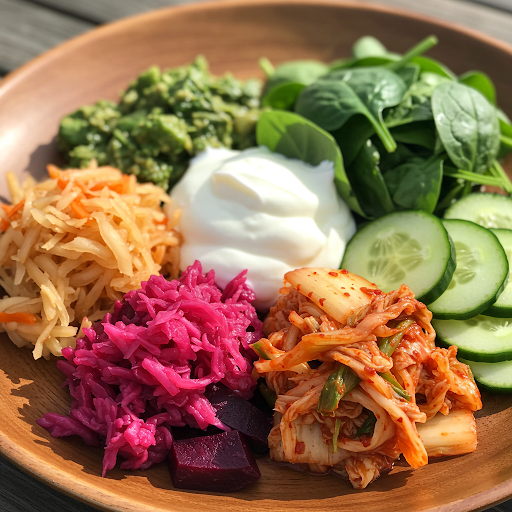
- Probiotics and Prebiotics: Consider incorporating probiotic-rich foods like yogurt and fermented vegetables into your diet. Prebiotics, found in foods like onions and garlic, also feed beneficial gut bacteria. A reputable probiotic/prebiotic supplement can also be helpful. [Dr. Colbert’s Healthy Gut Zone: Heal Your Digestive System to Restore Your Body and Renew Your Mind,]
- Lifestyle Choices:
- Stress Management: While gut health influences mental wellbeing, the reverse is also true. Managing stress through practices like meditation and yoga can benefit both your mind and gut. Try a guided meditation app like Calm or Headspace. A comfortable yoga mat can make your practice even better. Gaiam Essentials Thick Yoga Mat – Amazon Link.
- Regular Exercise: Regular physical activity is a fantastic stress reliever and can also help regulate digestion. A fitness tracker can help you stay motivated. [Fitbit Inspire 3 Health &-Fitness-Tracker]
- Sufficient Sleep: Aim for 7-8 hours of quality sleep each night. Sleep deprivation can worsen both stress and digestive problems.
- Professional Guidance:
- Consult a Gastroenterologist: If you’re experiencing persistent digestive issues, it’s essential to consult with a gastroenterologist to rule out any underlying medical conditions.
- Mental Health Professional: If you’re struggling with mood disorders, seeking help from a mental health professional is essential. [onlinetherapy.com]
Conclusion
The connection between gut health and mental wellbeing is undeniable. By prioritizing your gut health through diet, lifestyle choices, and stress management, you can positively impact your mood, resilience, and overall mental wellbeing. Your gut is more than just a digestive system; it’s a key player in your mental and emotional health. What steps will you take today to nurture your gut and mind?
Disclaimers:
AI Usage Disclosure:
This article was written using an AI language model for research and outlining. It was then rewritten and edited by a human to ensure accurate information.
Amazon Affiliate Disclaimer:
As an Amazon Associate, I may earn a small commission from qualifying purchases, at no additional cost to you.
Medical Disclaimer:
The information provided in this blog post is intended for general knowledge and informational purposes only, and does not constitute medical advice. It is essential to consult with a qualified healthcare professional for any health concerns or before making any decisions related to your health or treatment.
 lifetransformation.shop
Leave a comment