
Medical Disclaimer: Before making significant dietary changes, consult with a healthcare provider to tailor your diet to your specific health needs. This is particularly important if you have underlying health conditions or are taking medications that may interact with certain foods.
Cognitive decline is a significant global health challenge, particularly among aging populations. As the world’s population ages, finding effective strategies to maintain cognitive health becomes increasingly important. Diet plays a crucial role in supporting brain health, and two dietary approaches are especially significant for their potential benefits: green tea and the Mediterranean diet. This article explores how these dietary interventions, including the “green” variation of the Mediterranean diet, may help protect against cognitive decline.
Mediterranean Diet and Cognitive Decline
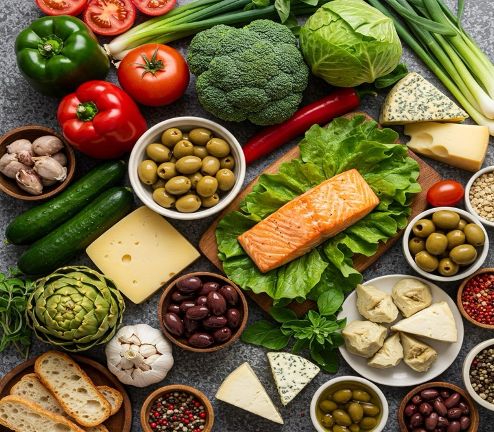
The Mediterranean diet consists of fruits, vegetables, whole grains, olive oil, fish, and nuts. Historically, it has been associated with numerous health benefits, including cardiovascular health and longevity. The diet’s components work synergistically to provide a rich source of antioxidants and anti-inflammatory compounds. For instance, olive oil is rich in oleocanthal, which has been shown to have neuroprotective effects similar to those of ibuprofen, potentially reducing inflammation in the brain.
Mechanisms Behind Cognitive Protection
The Mediterranean diet’s cognitive benefits are attributed to its anti-inflammatory and antioxidant properties, which help improve vascular health and reduce Alzheimer’s pathology, such as amyloid plaques. The diet’s nutrients also play a crucial role in enhancing cognitive function. For example, omega-3 fatty acids found in fish support brain health by promoting neuronal function and reducing inflammation.
Evidence Supporting Cognitive Benefits
Studies have shown the Mediterranean diet can reduce the risk of dementia and Alzheimer’s disease by 11-30%. Long-term, it has been linked to slower brain shrinkage and improved blood sugar levels. Recent research indicates that the Mediterranean diet results in better global cognition and decreased cognitive decline over time. A meta-analysis published in the journal Nutrients highlighted the diet’s protective effects against cognitive decline, emphasizing the importance of dietary patterns in maintaining brain health.
The Green Mediterranean Diet
The Green Mediterranean diet is an enhanced version that includes higher intake of green polyphenols, such as those found in green tea. It has been shown to improve brain health and blood sugar regulation further than the traditional Mediterranean diet. A study published in BMJ Medicine found those following the Green Mediterranean diet experienced significant improvements in cognitive function compared to those on a traditional Mediterranean diet.

Green Tea and Cognitive Decline
Green tea is rich in bioactive compounds like catechins and L-theanine, which have been historically used to promote mental clarity. These compounds are known for their antioxidant properties and potential to enhance cognitive function. Catechins, particularly epigallocatechin gallate (EGCG), have been shown to have neuroprotective effects that reduce oxidative stress and inflammation in the brain.
Mechanisms Behind Cognitive Protection
Green tea’s cognitive benefits are primarily due to its antioxidant effects, which combat oxidative stress and potentially reduce neuroinflammation. It may also enhance blood flow to the brain, supporting cognitive health. L-theanine, another key component, promotes relaxation and focus by influencing neurotransmitter activity, which can improve memory and concentration.
Evidence Supporting Cognitive Benefits
Studies have linked green tea consumption to improved memory and a reduced risk of dementia. Regular green tea drinkers have been found to have fewer brain lesions characteristic of dementia. When combined with the Mediterranean diet, green tea may offer synergistic benefits for brain health. A study published in the Journal of Alzheimer’s Disease suggested that green tea extract may help prevent the progression of neurodegenerative diseases by reducing amyloid-beta plaques.
Practical Recommendations for 40+ Adults
To adopt the Mediterranean diet, start by replacing red meat with fish and using olive oil for cooking. Incorporate brain-healthy foods like leafy greens and nuts into your meals. Sample meal ideas include salads with olive oil dressing, grilled fish with vegetables, and whole grain pasta with vegetables. Here are some tips for gradual adoption:
- Start with Breakfast: Begin your day with a Mediterranean-style breakfast, such as whole grain toast with avocado and tomatoes.
- Incorporate More Fish: Aim for at least two servings of fish per week, focusing on fatty fish, like salmon and sardines.
- Use Herbs for Flavor: Instead of salt, use herbs like oregano and thyme to add flavor to your meals.
Adding Green Tea to Your Routine
Drink 2-4 cups of green tea per day to maximize its benefits. For optimal brewing, use one teaspoon of loose-leaf tea per cup of boiling water and steep for 2-3 minutes. Here are some tips for incorporating green tea into your daily routine:
- Morning Boost: Start your day with a cup of green tea to enhance focus and clarity.
- Afternoon Pick-Me-Up: Replace your afternoon coffee with green tea to avoid caffeine jitters and support cognitive function.
- Evening Relaxation: Enjoy a cup of green tea before bed to promote relaxation and improve sleep quality.
My Personal Morning Tea Recipe
Starting my day with a nourishing cup of green tea has become an essential part of my morning routine. This simple yet effective recipe combines the health benefits of green tea with a few natural additions to boost its flavor and nutritional value.
Ingredients:
– 1 cup hot green tea
– A small piece of smashed ginger
– A small piece of turmeric
– Juice of half a lemon
– 1 tablespoon of honey
Instructions:
1. Steep Your Tea: Begin by brewing a cup of hot green tea according to your preference.
2. Add Ginger and Turmeric: While the tea is steeping, add a small piece each of smashed ginger and turmeric. This will allow their flavors and nutrients to infuse into the tea.
3. Finish with Lemon and/or Honey: Once the tea is ready, top it off with a squeeze of fresh lemon juice from half a lemon. Add a tablespoon of honey to sweeten and balance the flavors.
4. Enjoy: Sit back and savor your delicious and healthy morning tea!
This recipe has been a staple in my routine for many years, providing a refreshing and invigorating start to the day. Feel free to adjust the amount of ginger, turmeric, lemon, and honey to suit your taste preferences.
Brain Exercises and Memory Improvement
In addition to dietary changes, exercising your brain and improving memory can play a crucial role in maintaining cognitive health. Here are some strategies to consider:
-Speed of Processing Training: This form of cognitive training has been shown to reduce the risk of dementia by improving cognitive processing speed. Participants in studies have benefited from as few as 10 one-hour sessions over six weeks, with booster sessions as needed [1].
– Mnemonics and Repetition: Techniques like mnemonic rhymes and spaced repetition can enhance memory by making information more memorable and reinforcing it over time [2][5].
– Chunking Information: Organizing information into smaller groups or chunks can make it easier to recall. This method is effective for remembering lists or complex data [2][8].
– Physical Activity: Regular physical exercise not only supports physical health but also improves cognitive function. Aerobic activities, in particular, have been linked to better memory and reduced risk of dementia [3][4].
– Mental Stimulation: Engage in mentally stimulating activities such as reading, puzzles, or learning a new skill to build cognitive reserve and potentially reduce the risk of cognitive decline [3][6].

Risks Associated with the Green Mediterranean Diet
– Calorie Balance: Be mindful of portion sizes to avoid excessive calorie intake.
– Nutrient Balance: Include a variety of foods to ensure you’re getting all essential nutrients.
-Caffeine, although less than coffee.
-Consume in moderation.
Conclusion
Green tea and the Mediterranean diet offer promising strategies for mitigating cognitive decline. By incorporating these dietary habits into your lifestyle, you can take proactive steps towards maintaining brain health. Additionally, engaging in brain exercises and improving memory through various techniques can further support cognitive function. Start with small, sustainable changes and consult with a healthcare provider for personalized advice. Remember, a healthy diet is just one part of a comprehensive approach to cognitive health; regular exercise, social engagement, and mental stimulation are also crucial for maintaining cognitive function as you age.
Resources:
Memory Games for Smart Seniors
Keep Your Brain Stronger for Longer
Lions Mane Mushroom Cognition Capsules (120 Capsules)
The Complete Mediterranean Cookbook
Green Tea: The Natural Secret to a Healthier Life
Sources:
– https://medicine.iu.edu/news/2017/11/brain-exercise-dementia-prevention
– https://www.indeed.com/career-advice/career-development/techniques-to-improve-memory
– https://health.umms.org/2022/05/27/brain-health/
– https://pmc.ncbi.nlm.nih.gov/articles/PMC10046723/
– https://learningcenter.unc.edu/tips-and-tools/enhancing-your-memory/
– https://www.ncoa.org/adviser/hearing-aids/cognitive-health/
– https://www.usa.edu/blog/science-backed-memory-tips/
AI Usage Disclosure: This article was written using an AI language model for research and outlining. It was then rewritten and edited by a human to ensure accurate information.
Amazon Affiliate Disclaimer: As an Amazon Associate, I may earn a small commission fromqualifying purchases, at no additional cost to you.
 lifetransformation.shop
Leave a comment