
Foods That May Increase Cognitive Decline
Medical Disclaimer:
The information provided here is intended for general knowledge and informational purposes only and does not constitute medical advice.
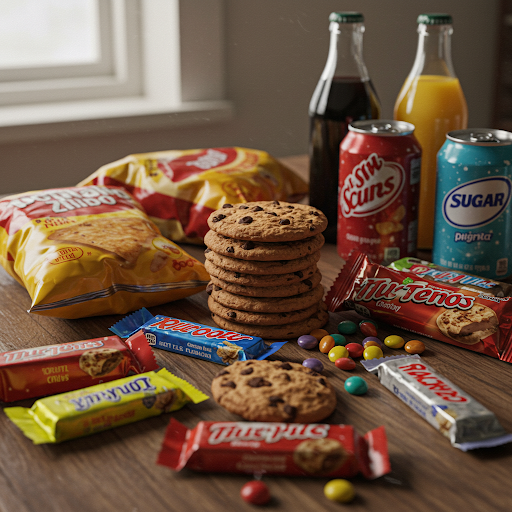
I’m not a doctor or a scientist, but I think we can all agree that our food production system in the United States has changed dramatically in the past 50 years. Population increases and consumer demand have also complicated the issue. We all want the healthiest, most convenient food that modern science and technology safely allows. But what has been the cost of this increased variety and convenience?
It seems that Ultra-Processed Foods, the “center aisle” foods at your local grocery store, have taken over our diets. They are cheaper and have a longer shelf life than fresh foods, and sometimes the labels even suggest they are healthy. The fact is they are anything but healthy, and the price you pay for them may hurt you in the long run. The focus of this article is the relationship between UPFs and our cognitive health age 40 and beyond. I will point out ten foods to avoid and offer five healthier alternatives for better cognitive health.
Understanding Ultra-Processed Foods
Ultra-processed foods are industrially produced items containing high levels of sugar, fat, and salt, along with preservatives and additives. These foods are designed for taste and shelf-life but lack essential nutrients, making them detrimental to overall health. Examples include frozen meals, sugary snacks, and processed meats. The term “ultra-processed” was coined by Brazilian researcher Carlos Monteiro, who categorized foods based on their level of processing. Ultra-processed foods are distinct from minimally processed foods like fresh fruits and vegetables, and even from processed foods like canned beans, which retain more of their natural nutrients.
Dr. W. Taylor Kimberly, a researcher at Massachusetts General Hospital, emphasizes the importance of dietary choices in maintaining brain health. “We’ve shown that increased intake over time of ultra-processed foods can impact the two most common and significant causes of neurological disability—stroke and cognitive impairment. The good news is that even modest cutbacks in consumption of UPFs are associated with meaningful brain health benefits”.
10 Ultra-Processed Foods to Avoid for Cognitive Health
1. Frozen Meals
– Frozen meals like TV dinners and instant noodles are high in sodium, preservatives, saturated fats and refined carbohydrates contributing to inflammation and cognitive decline.
2. Processed Meats
– Foods like hot dogs and sausages contain nitrates and nitrites, which can lead to oxidative stress in the brain, and increased risks of neurodegenerative diseases.
3. Sugary Snacks
– Snacks like candy bars and cookies are rich in sugar, causing spikes in blood sugar levels. This can lead to insulin resistance, a precursor to type 2 diabetes, which is associated with cognitive decline.
4. Chips and Fried Snacks
– These snacks are high in saturated fats and sodium, increasing the risk of cardiovascular diseases that can affect brain health. The high calorie content also contributes to obesity, another risk factor for cognitive impairment.
5. Sugary Drinks
– Beverages like soda and sports drinks contain high amounts of sugar, contributing to insulin resistance and inflammation and providing empty calories without any nutritional value.
6. Packaged Baked Goods
– Foods like packaged cookies and cakes are high in refined carbohydrates, added sugars and artificial additives which can disrupt gut health, further impacting brain function.
7. Canned Goods
– Canned soups and vegetables are often high in sodium and preservatives, which can negatively impact cognitive health. Opting for fresh or frozen alternatives can significantly reduce sodium intake.
8. Instant Noodles
– These noodles contain high levels of sodium and preservatives, and are low in essential nutrients, contributing to inflammation and oxidative stress.
9. Breakfast Cereals
– Many breakfast cereals are highly processed and contain added sugars, which can lead to cognitive decline. Choosing whole grain cereals or oatmeal can provide sustained energy and fiber, supporting cognitive function.
10. Microwave Popcorn
– This snack is often high in saturated fats, sodium, artificial flavorings and preservatives, contributing to cardiovascular risks that can affect brain health and disrupt gut health.
Dr. Gary Small, chair of psychiatry at Hackensack Meridian Health, notes, “We’ve long known that certain types of foods, particularly processed foods, and especially ultra-processed foods, are not good for your heart. But they’re also not good for your brain”.
The Science Behind Ultra-Processed Foods and Cognitive Decline
Recent studies have consistently shown that consuming ultra-processed foods is associated with a higher risk of cognitive decline. A study published in *Neurology* found that a 10% increase in ultra-processed food consumption was linked to a 16% higher risk of cognitive impairment. Another study highlighted that consuming more ultra-processed foods experienced a 28% faster rate of cognitive decline compared to those consuming fewer of these foods.
The mechanisms behind this association involve inflammation, oxidative stress, and disruptions in the gut-brain axis. Ultra-processed foods often contain advanced glycation end (AGE) products, which are substances that form when protein or fat combine with sugar in the bloodstream. AGEs accumulate over time and can lead to oxidative stress and inflammation, both of which are detrimental to brain health.
Frank Hu, Fredrick J. Stare Professor of Nutrition and Epidemiology at Harvard T.H. Chan School of Public Health, highlights the broader health risks associated with ultra-processed foods. “The vast majority of [ultra-processed foods] are unhealthy, and the more of them you eat, the higher your risk of various diseases”.
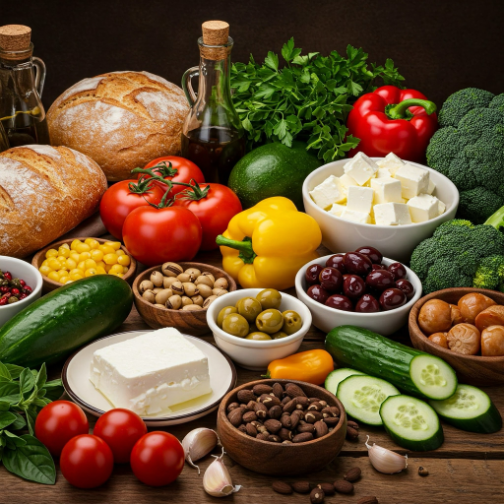
Healthier Alternatives for Cognitive Support
1. Fresh Fruits and Vegetables
– Foods rich in antioxidants and fiber, such as berries and leafy greens, support brain health by reducing oxidative stress.
2. Whole Grains
– Whole grains like quinoa and brown rice provide sustained energy and fiber, supporting cognitive function and reducing the risk of insulin resistance.
3. Nuts and Seeds
– Walnuts and flaxseeds are rich in omega-3 fatty acids and antioxidants reduce inflammation in the brain.
4. Fatty Fish
– Fish, like salmon, are high in omega-3 fatty acids which support cognitive function and reduce inflammation and lower the risk of dementia.
5. Fermented Foods
– Foods like yogurt and kimchi contain probiotics, which support the gut-brain connection, maintaining cognitive function.
Lifestyle Changes for Cognitive Health
In addition to dietary changes, lifestyle modifications are crucial for maintaining cognitive health. Regular physical exercise enhances blood flow to the brain, while mental exercises like puzzles and learning new skills build cognitive reserve. Social engagement and stress management techniques, such as meditation, also play significant roles in supporting brain health. Social engagement also helps reduce stress and isolation, both of which can negatively impact cognitive health.
Conclusion
While ultra-processed foods may be convenient, their impact on cognitive health is significant. By avoiding these foods and incorporating healthier alternatives into your diet, individuals can take proactive steps to support brain function. For those interested in learning more about cognitive health and nutrition, consider reading “The Mind-Gut Connection” by Emeran Mayer. Additionally, incorporating probiotic supplements into your routine can support gut health, which is closely linked to cognitive well-being. Physician’s Choice Probiotics 60 Billion CFU is a best-selling brand with over 120,000 positive ratings.
Sources:
–Medical News Today: Recent study linking ultra-processed foods to cognitive decline and stroke.
– Harvard Health Publishing: Eating ultra-processed foods tied to cognitive decline.
– Healthline: The impact of ultra-processed foods on cognitive health.
– Harvard School of Public Health: The effects of ultra-processed foods on brain health.
– Massachusetts General Hospital: Association between ultra-processed foods and cognitive decline.
– National Institute on Aging: Strategies for maintaining cognitive health in older adults.
– Mayo Clinic: The role of diet in cognitive health.
Medical Disclaimer
The information provided here is intended for general knowledge and informational purposes only and does not constitute medical advice.
AI Usage Disclosure:
This article was written using an AI language model for research and outlining. It was then rewritten and edited by a human to ensure accurate information.
Amazon Affiliate Disclaimer:
As an Amazon Associate, I may earn a small commission from qualifying purchases at no additional cost to you.
 lifetransformation.shop
Leave a comment