
Why Your Stomach Might Be the Secret to Feeling Better After 40
Ever had a “gut feeling” or been “tied up in knots” about something stressful? As it turns out, those belly metaphors aren’t just figures of speech—they’re real reflections of how closely connected your gut and brain actually are. Scientists now call this link the gut-brain axis, and for adults over 40, it’s one of the most exciting frontiers in health research.
The Gut-Brain Axis Explained
Your gut is home to trillions of bacteria—good and bad—that collectively form your microbiome. This vast ecosystem sends chemical and electrical signals to your brain via the vagus nerve, a kind of information superhighway—leading GI psychologist Dr. Steve Feinstein calls it “the most significant” channel for mood, digestion, and sleep regulation.
It’s a two-way street: stress, anxiety, or poor sleep can disrupt gut health, and gut problems can trigger depression, “brain fog,” and trouble concentrating. Over 90% of serotonin, your feel-good hormone, is produced in your gut—not your brain. No wonder GI symptoms so often go hand-in-hand with mental struggles, especially for those with conditions like IBS or after stressful life changes.
Symptoms: How Poor Gut Health Feels in Your Mind and Body
For folks over 40, gut-brain symptoms can include:
- Moodiness, anxiety, or depression
- Memory lapses or trouble making decisions
- Energy swings (“sluggishness” or “wired”)
- Sleep troubles and digestive discomfort (constipation, bloating, etc.)
- “Brain fog” and difficulty staying focused.
The Vicious Cycle—And How to Break It
Gut and mental health fuel each other: GI symptoms make stress and mood issues worse, which then disrupt digestion even more. Experts call it a “vicious cycle,” but the good news is that you can break it using simple strategies tailored for midlife wellness.
Over 90% of serotonin, your feel-good hormone, is produced in your gut—not your brain.
Diet: The Foundation of Gut-Brain Health
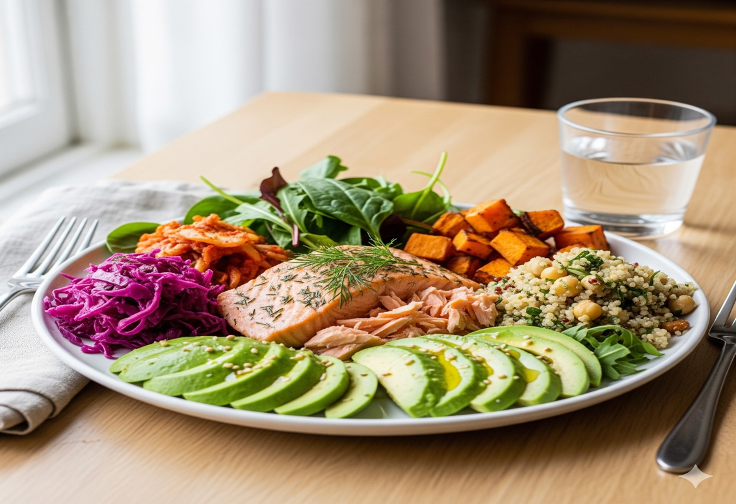
The single most powerful step? Eat for your microbes! The Mediterranean diet is consistently recommended for its high fiber, variety, and abundance of beneficial plant chemicals. Adults over 40 especially benefit from:
- 30–40g of fiber daily (whole grains, beans, veggies, fruits)
- Colorful produce (especially berries, leafy greens, crucifers)
- Healthy fats (olive oil, nuts, seeds)
- Minimizing processed foods and sugar
Fiber fuels the “good” bacteria, reducing inflammation that threatens both gut and brain as we age. The more diverse your diet, the more resilient your microbiome—and your mind.f
Probiotics: Food and Supplements
Probiotics are the rock stars of gut-brain wellness. They support a diverse, balanced gut flora—especially Bifidobacterium longum and Lactobacillus rhamnosus, which have been shown to ease anxiety and improve sleep in scientific studies.
Best foods for natural probiotics:
- Yogurt (look for “live cultures” on the label)
- Sourdough bread
- Fermented pickles/cucumbers
- Kimchi and sauerkraut
- Miso soup and kombucha
Supplements can help, too—especially if you’re over 40, dealing with chronic stress, or using antibiotics. Not all brands are created equal, so consider working with a registered dietitian or GI specialist for recommendations.

Simple Lifestyle Upgrades That Make a Big Impact
Beyond diet and supplements, these proven strategies help calm the gut-brain axis:
- Diaphragmatic Breathing: A few slow breaths—where you feel your belly expand—send calming signals through the vagus nerve and improve digestion.
- Practical Self-Talk: Catching and gently reframing “worst-case” thoughts about your symptoms can actually ease gut discomfort and reduce mental stress.
- Guided Meditation/Hypnotherapy: Targeted audio meditations help relax the nervous system, reduce GI symptoms, and sharpen focus—especially effective for older adults with chronic or stress-related gut issues.
- Movement: Regular walks, yoga, or gentle exercise help balance hormones and fuel “good” gut flora.
Recent Breakthroughs (2024–2025)
The past two years have seen huge leaps in gut-brain research:
- Parkinson’s and Alzheimer’s: Scientists can now detect changes in the gut microbiome that often precede these disorders—making nutrition and probiotics a promising path for prevention.
- “Long COVID” Brain Fog: Human trials show that restoring gut flora via specific diets and probiotic regimens help reduce lingering mental symptoms after illness.
- Personalized Gut-Brain Therapy: Combining GI care, nutrition, and mental health counseling in virtual clinics (like Oshi Health) has led to faster, longer-lasting symptom relief—even for tough cases.
- Machine Learning Microbiome Mapping: AI can profile gut bacteria and predict which foods will help which people feel better, opening the door for custom dietary plans for mental and gut wellness.
Expert Quotes to Encourage Confidence
“Our mental health is the way our nervous system reacts to our world; it creates a state of comfort or discomfort. When we get negative messages from the gut, a state of mental discomfort is created, which influences how we feel.”
—Dr. Steve Feinstein, GI Psychologist
“The vagus nerve sends information to the brain constantly about what’s going on so the brain can regulate function and just have an idea of how the individual is doing, because all these processes are important to sustain life.”
—Dr. Steve Feinstein, Oshi Health
“The provider was fantastic … giving a good synopsis of my current problems. I had already seen two other GI providers and nobody had ever asked me about my diet or mentioned the brain-gut connection. It was very refreshing to have someone look at the whole body and not just my symptoms.”
—Oshi Health patient testimonial
Whole-Person Care: What Actually Works
The most effective approach for adults 40+ is whole-person care. Working with a team (GI specialists, dietitians, mental health counselors) brings you:
- Personalized care plans that match your lifestyle and symptoms
- Dietary changes plus stress reduction strategies for lasting benefits
- Compassionate support for mind and body, not just symptom management.
FAQs for Adults Over 40
Q: Can gut health really help with anxiety and depression as I age?
A: Yes—numerous studies show that a balanced microbiome helps regulate mood, stress, and cognitive health throughout life, with effects growing more noticeable after 40.
Q: What foods should I avoid for better gut-brain wellness?
A: Cut back on processed foods, sugar, and excess alcohol. Prioritize fiber, diverse fruits/veggies, and probiotics for best results.
Q: Are probiotic supplements safe for older adults?
A: Generally, yes! Look for strains supported by research (e.g., Bifidobacterium, Lactobacillus), seek products with quality assurance, and consult a health professional for personalized guidance.
Q: How long until I feel better if I make these changes?
A: Many notice improvements in digestion, mood, and energy within weeks. Studies show that comprehensive gut-brain care relieves symptoms in up to 92% of patients within 10 weeks.
Top Books for Gut-Brain Health
If you’re ready to learn more and get expert advice, these books are among 2025’s bestsellers—each offers actionable steps for over-40 readers, and their links can be shared via affiliate programs:
| Book Title | Author(s) | Why It’s Great |
| The Mind-Gut Connection | Dr. Emeran Mayer | Explains diet/probiotic strategies for mental clarity, great for midlife |
| Calm Your Mind With Food | Uma Naidoo | Foods for brain resilience, tailored advice for older adults |
| Gut | Giulia Enders | Accessible explainers for everyone |
| Heal Your Gut, Save Your Brain | Mayo Clinic | Science-driven guide for protecting cognition after 40 |
My Favorite Probiotics: Physician’s Choice Probiotics 60 Billion CFU
My Favorite Loose-leaf Green Tea: Organic Positively Tea Company, Qilan Wuyuan Oolong Tea
Final Words
Gut health isn’t just about avoiding stomach aches—it’s a foundational element of mental clarity, emotional well-being, and healthy aging. The science is clear: midlife is the perfect window to invest in practical diet changes, probiotic-rich foods, and whole-person care that can protect mind and body for decades to come.
Medical Disclaimer
The information provided here is intended for general knowledge and informational purposes only and does not constitute medical advice. Please consult with your medical professional before making any changes to your diet.
AI Usage Disclosure:
This article was written using an AI language model for research and outlining. It was then rewritten and edited by a human to ensure accurate information.
Amazon Affiliate Disclaimer:
As an Amazon Associate, I may earn a small commission from qualifying purchases at no additional cost to you.
Sources:
- https://oshihealth.com/how-gut-health-affects-mental-health/
- https://www.franciscanhealth.org/community/blog/gut-health-connected-to-mental-health-and-wellness
- https://my.clevelandclinic.org/health/body/the-gut-brain-connection
- https://www.accio.com/business/best-selling-health-and-wellness-books
- https://www.symprove.com/blogs/gut-science/gut-health-book-recommendations
- https://www.forbes.com/sites/entertainment/article/wellness-books/
- https://mcpress.mayoclinic.org/product/heal-your-gut-save-your-brain/
- https://www.nature.com/articles/s41598-025-86858-3
 lifetransformation.shop
Leave a comment