
What Experts Know About the 90% Produced in Your Gut

The Surprising Hook
When we hear the word serotonin, most of us picture the brain. It’s the “feel-good” chemical, right? But here’s the twist: scientists estimate that about 90% of your body’s serotonin is actually produced in your gut. Yes — your gut may have more to do with your mood than you ever realized. And the best part? You can support it every single day with small, realistic choices.
What’s Really Happening in Your Digestive System
Here’s where the story gets really interesting. Deep in the lining of your digestive tract, there are specialized cells called enterochromaffin cells—think of them as tiny serotonin workshops. They’re constantly reading signals from the trillions of bacteria living in your gut, examining what nutrients you’ve eaten and how stressed you are.
When you eat foods rich in tryptophan (like that turkey sandwich that makes you drowsy), these cells get to work. Your gut bacteria act like little workshop helpers, converting those nutrients into serotonin. It’s like having a mood-support team you never knew existed, working behind the scenes every time you eat.
“90% of your body’s serotonin is actually produced in your gut”
Scientists at major institutions like Harvard and UCLA have been studying this gut-brain conversation for years now. What they’ve found is remarkable: when our gut bacteria are happy and well-fed, they encourage more serotonin production. But when we’re stressed, eating too much processed food, or taking antibiotics, this delicate system can get thrown off balance.
The Connection You’ve Been Feeling All Along
You may be wondering: if this serotonin is made in the gut, how does it affect mood? It’s a great question. While gut-produced serotonin doesn’t directly travel to your brain, your digestive system is constantly sending messages upward through what scientists call the gut-brain axis—a communication highway involving nerves, hormones, and immune signals.
Think of it like this: your gut is texting your brain all day long. When your gut is calm and well-nourished, it sends “all good here” messages. When it’s inflamed or struggling, those messages change to something more like “help needed” or “something’s not right.”
This might explain why so many people notice that their digestion and mood seem connected. Maybe you’ve experienced that “gut feeling” about a situation, or noticed that stomach troubles often coincide with particularly stressful times. Those old sayings about “trusting your gut” weren’t just folklore—there really is wisdom happening in your digestive system.
What This Means for Your Daily Life
If you’ve hit your 40s or beyond, you might have noticed some changes in how your body handles stress, processes food, or maintains steady energy throughout the day. Understanding the gut-serotonin connection suddenly makes a lot of these experiences make sense.
When your gut is producing serotonin steadily, you’re more likely to feel mentally clear and emotionally balanced. Your digestion runs more smoothly too—serotonin helps food move through your intestines at the right pace. But when production gets disrupted, you might notice digestive issues, brain fog, or that general feeling of being “off” that’s hard to pinpoint.
As we age, our gut bacteria naturally change, which can affect this whole system. Some medications, particularly certain antidepressants, work on serotonin pathways in both the gut and brain—which might explain why they sometimes cause digestive side effects that catch people off guard.
Simple Changes That Make a Real Difference
The good news is that supporting your gut’s serotonin production doesn’t require a complete lifestyle overhaul. Consistency with small changes beats perfection with big ones every time.
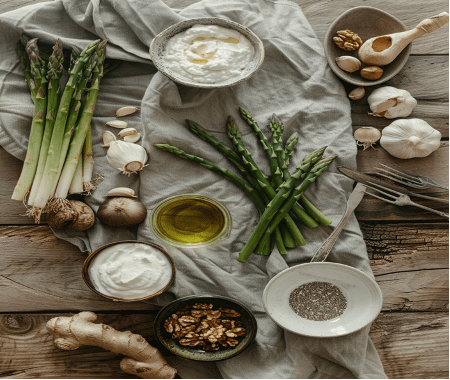
Nourish your helpful bacteria with foods they love: garlic, onions, asparagus, oats, and those fibrous vegetables that sometimes get overlooked. Adding some fermented foods like yogurt, kimchi, or sauerkraut when you can—even a few bites with meals—makes a meaningful difference.
Provide the building blocks your system needs by including protein sources rich in tryptophan. Eggs, fish, chicken, beans, and nuts all provide the raw materials for serotonin production. The supporting players matter too: B vitamins, magnesium, and vitamin D all help the process along.
Be gentle with your gut by limiting ultra-processed foods when possible and only using antibiotics when truly necessary. These can disrupt the bacterial balance that supports healthy serotonin production.
Keep your body moving regularly—even a daily walk helps maintain the diversity of gut bacteria that supports this whole system. Prioritizing sleep and finding stress management techniques that work for you, whether that’s meditation, deep breathing, or simply taking a few quiet moments each day, all contribute to this delicate balance.
A New Way of Thinking About Wellness
What’s most exciting about this research is how empowering it feels. Instead of thinking of mood and mental clarity as things that just happen to us, we can recognize that our daily choices—what we eat, how we move, how we manage stress—are actively supporting systems in our body that influence how we feel.
Your gut truly is like having a second brain, one that’s working around the clock to support not just your digestion, but your overall sense of well-being. Every time you choose a nourishing meal, take a walk, or find a moment of calm in a busy day, you’re supporting this incredible system.
The science continues to evolve, and researchers are constantly discovering new connections between gut health and mental wellness. But the message is already clear: taking care of your gut means taking care of your whole self. And that feels like something worth doing, one thoughtful choice at a time.
Sources and Further Reading
- Gershon MD & Tack J. Neurogastroenterol Motil. 2007 — Overview of serotonin in the GI tract; ~90–95% produced in the gut (enterochromaffin cells).
- Yano JM et al. Cell. 2015 — Gut bacteria (incl. spore-formers) stimulate EC-cell serotonin biosynthesis; SCFA involvement.
- Young SN. J Psychiatry Neurosci. 2007 — Peripheral serotonin does not cross the blood–brain barrier; central/peripheral pools are distinct.
- Cryan JF & Dinan TG. Nat Rev Neurosci. 2012 — Foundational review of the microbiota–gut–brain axis (neural, immune, endocrine signaling).
- Mayer EA. Gastroenterology. 2011 — Clinical perspective on gut–brain communication; vagal/immune pathways.
- Walther DJ et al. Science. 2003 — Tryptophan hydroxylase isoforms (TPH1 in gut, TPH2 in brain); dietary tryptophan → serotonin pathways.
- Mawe GM & Hoffman JM. Nat Rev Gastroenterol Hepatol. 2013 — Serotonin signaling in the gut; why SSRIs commonly have GI side effects.
- Wastyk HC et al. Cell. 2021 — Randomized diet trial: fermented-foods pattern ↑ microbiome diversity and ↓ inflammatory markers.
- Clarke SF et al. Gut. 2014 — Exercise associated with higher microbial diversity (athletes vs controls); lifestyle lever for the gut.
- Dethlefsen L & Relman DA. PNAS. 2011 — Antibiotics reduce gut diversity and recovery can be incomplete; use only when needed.
- O’Toole PW & Jeffery IB. Ageing Res Rev. 2015 — Aging-related microbiome shifts and links to health; why 40+ readers may notice changes.
- Harvard Health Publishing. “Nutritional psychiatry” explainer (updated) — Accessible summary on food, gut, and mood for lay readers.
- UCLA Health / Mayer E. “Gut–Brain Connection” resources — Plain-English institutional overview aligning with the reviews above.
Recommended from Amazon
The Mind-Gut Connection: by Emeran Mayer (Amazon)
Physician’s Choice Organic Probiotics 60 Billion CFU (Amazon)
Organic Ti Kuan Yin, Oolong Tea, Loose Leaf, 4 Ounce, Positively Tea Company (Amazon)
 lifetransformation.shop
Leave a comment