
What Alzheimer’s Researchers Are Discovering
Nobody wants to say it out loud—that creeping worry that your mind isn’t as sharp as it used to be. So we brush it off. Make jokes. Blame stress or lack of sleep. Until one day, you can’t remember if you took your medication this morning, and suddenly you’re not laughing anymore.
No one can hand you a complete playbook for why memory falters as we age—the research just isn’t there yet. But there’s a thread emerging that’s hard to ignore: the connection between your brain and your digestive system. It sounds almost too simple, but the evidence keeps stacking up. What you eat isn’t just fueling your body. It might be protecting your mind.
The Surprising Gut–Brain Connection
Your gut is home to trillions of bacteria. Until recently, most people thought they only mattered for digestion. Now scientists believe these microbes “talk” to your brain, influencing everything from mood to memory.
In studies, people with Alzheimer’s disease often have a different mix of gut bacteria compared to healthy people. Animal research even shows that changing gut bacteria can affect memory and brain inflammation.
That doesn’t mean your gut “causes” Alzheimer’s—but it does suggest it plays a role. And because diet and lifestyle influence your gut, you have some power here.
Why the Mediterranean Diet Keeps Coming Up
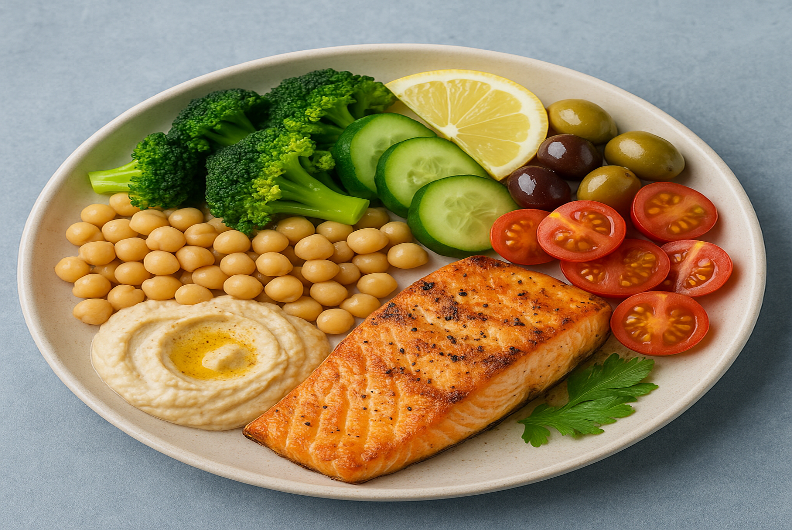
When researchers look for diets that protect memory, the Mediterranean diet shines again and again.
It’s not a strict plan—it’s a way of eating built around:
- Vegetables, fruits, and legumes
- Olive oil as the main fat
- Nuts and seeds most days
- Fish a couple times a week
- Whole grains instead of refined carbs
- Herbs and spices for flavor
- Minimal processed foods and sweets
People who stick to this style of eating tend to have better memory and lower dementia risk. In some studies, it even helped people with a higher genetic risk of Alzheimer’s slow down memory decline.
How Food and Gut Health Work Together
Here’s the simple version of what scientists think is happening:
- Healthy gut bacteria from a plant-rich, Mediterranean-style diet make byproducts (like fiber-fermenting acids) that reduce inflammation and help your brain function.
- Olive oil and fish provide healthy fats that support brain cells and may be especially important for women, since women with Alzheimer’s often show lower levels of these fats.
- Less processed food means less strain on your body’s defenses, keeping inflammation in check.
Key takeaway: Feed your gut, fuel your brain. The Mediterranean way of eating may be one of the most powerful, natural tools we have for memory resilience.
What About Supplements?
Supplements aren’t magic bullets, but some may help fill gaps if your diet is lacking.
- Omega-3 Fish Oil: If you don’t eat much fish, this can help supply the healthy fats your brain needs.
- Prebiotic Fiber: If your diet is low in fiber, a gentle prebiotic powder can help “feed” your gut bacteria.
- Probiotics: Research is mixed, but some people try strains like Lactobacillus rhamnosus GG or Bifidobacterium longum for gut balance.
Editor’s note: Always talk to your doctor before starting supplements, especially if you take medications or have existing health concerns.
Practical Steps You Can Start Today
- Fill half your plate with plants. Vegetables and beans feed the good gut bacteria that protect your brain.
- Swap butter for olive oil. Make it your everyday cooking fat.
- Add fish twice a week. Salmon, sardines, or mackerel are great brain foods.
- Snack on nuts. A handful of walnuts or almonds beats chips every time.
- Enjoy yogurt or kefir. Fermented foods support gut balance.
- Move your body. Walking, dancing, gardening—it all helps blood flow to the brain.
- Protect your sleep. 7–8 hours gives your brain time to recharge and clear waste.
- Manage stress. Meditation, deep breathing, or even a daily walk can help keep inflammation in check.
Five Beginner-friendly Recipes
Here are five beginner-friendly Mediterranean diet recipes that are free to use, easy to prepare, and introduce the core flavors and principles of the Mediterranean way of eating — fresh produce, olive oil, whole grains, lean proteins, and herbs instead of heavy sauces.
1. Greek Chickpea Salad
Serves: 2–3 | Prep Time: 10 minutes | Cook Time: None
Ingredients:
- 1 can (15 oz) chickpeas, rinsed and drained
- 1 cucumber, diced
- 1 cup cherry tomatoes, halved
- ¼ red onion, finely sliced
- ½ cup feta cheese, crumbled
- 2 tbsp olive oil
- 1 tbsp red wine vinegar or lemon juice
- 1 tsp dried oregano
- Salt and pepper to taste
Instructions:
- Combine chickpeas, cucumber, tomatoes, onion, and feta in a large bowl.
- In a small bowl, whisk together olive oil, vinegar, oregano, salt, and pepper.
- Pour dressing over salad, toss well, and serve chilled or at room temperature.
Tip: Add kalamata olives for extra Mediterranean flair.
2. Mediterranean Hummus Bowl
Serves: 2 | Prep Time: 15 minutes
Ingredients:
- ½ cup hummus (store-bought or homemade)
- 1 cup cooked quinoa or brown rice
- ½ cup cherry tomatoes, halved
- ½ cucumber, sliced
- ¼ cup kalamata olives
- ¼ cup crumbled feta
- 2 tbsp olive oil
- Fresh parsley, chopped
Instructions:
- Spread hummus across the base of a shallow bowl.
- Add warm quinoa, vegetables, olives, and feta in sections for color and texture.
- Drizzle with olive oil and sprinkle with parsley before serving.
Tip: Squeeze a little lemon juice over the top to brighten flavors.
3. Lemon Garlic Baked Salmon
Serves: 2 | Prep Time: 10 minutes | Cook Time: 15 minutes
Ingredients:
- 2 salmon fillets
- 2 tbsp olive oil
- 2 cloves garlic, minced
- Juice of 1 lemon
- 1 tsp dried thyme or dill
- Salt and pepper to taste
Instructions:
- Preheat oven to 400°F (200°C).
- Place salmon on a parchment-lined baking tray.
- Mix olive oil, garlic, lemon juice, thyme, salt, and pepper in a bowl.
- Spoon the mixture over the fish.
- Bake for 12–15 minutes until salmon flakes easily with a fork.
Serve with roasted vegetables or a side of couscous.
4. Mediterranean Pasta with Spinach & Cherry Tomatoes
Serves: 3 | Prep Time: 10 minutes | Cook Time: 15 minutes
Ingredients:
- 8 oz whole-wheat pasta
- 2 tbsp olive oil
- 2 cloves garlic, sliced
- 2 cups cherry tomatoes, halved
- 2 cups baby spinach
- ¼ cup grated Parmesan cheese
- Salt and pepper to taste
Instructions:
- Cook pasta according to package directions. Drain and set aside.
- Heat olive oil in a large pan, sauté garlic until fragrant.
- Add cherry tomatoes and cook for 3–4 minutes until they soften.
- Toss in spinach until wilted.
- Add pasta, season with salt and pepper, and sprinkle with Parmesan.
Optional: Add grilled chicken or shrimp for extra protein.
5. Greek Yogurt Parfait with Honey & Nuts
Serves: 1 | Prep Time: 5 minutes
Ingredients:
- 1 cup plain Greek yogurt
- 1 tbsp honey
- ¼ cup mixed nuts (walnuts, almonds, pistachios)
- ½ cup fresh fruit (berries, peaches, or figs)
- A pinch of cinnamon
Instructions:
- Spoon Greek yogurt into a glass or bowl.
- Layer with fruit, drizzle honey, and top with nuts.
- Sprinkle with cinnamon for warmth and flavor.
Tip: This makes a nourishing breakfast or snack that fits perfectly into a Mediterranean lifestyle.
Quick Motivation
“Every meal is a chance to feed your gut and protect your brain. You don’t need perfection—just steady, small steps add up.”
The best part? These changes don’t just help memory—they improve heart health, energy, mood, and digestion too.
A Word on Expectations
This isn’t about “preventing” Alzheimer’s with one magic food or supplement. It’s about stacking the odds in your favor. By eating in a Mediterranean style, caring for your gut, and living a brain-healthy lifestyle, you give yourself the best shot at staying sharp as you age.
Further Resources:
Supplements –Physician’s Choice Probiotics
Reading – Super Gut: A Four-Week Plan to Reprogram Your Microbiome, Restore Health, and Lose Weight
Green Tea – Organic Positively Tea Company, Oolong Tea Sampler, Loose Leaf
Disclaimer
This article is for informational and motivational purposes only. It is not medical advice, and it cannot diagnose, treat, or cure any disease. Always consult with a doctor or healthcare professional before making changes to your diet, supplements, or treatment plan—especially if you already have memory concerns or medical conditions.
AI Usage Disclosure:
This article was written using an AI language model for research and outlining. It was then rewritten and edited by a human to ensure accurate information.
Amazon Affiliate Disclaimer:
As an Amazon Associate, I may earn a small commission from qualifying purchases at no additional cost to you.
 lifetransformation.shop
Leave a comment