
Why Eating Real Food Can Improve Your Gut Health
Reclaiming Healthy Habits of Eating
We lead fast-paced lives, and sometimes, convenience is king. We grab that brightly packaged snack, the ready-made meal, or the sugary coffee drink because it saves time. But what if I told you that this habit of choosing Ultra-Processed Foods (UPFs) has a hidden, cumulative cost? It’s costing us our gut health, and consequently, our overall vitality, energy, and mood.
This isn’t about starting another impossible diet. This is about choosing “The Unprocessed Life”—a return to whole, minimally altered ingredients. It’s about recognizing that every meal is an opportunity to nourish not just your body, but the trillions of microscopic life forms living inside your digestive tract.
The Minimal Difference
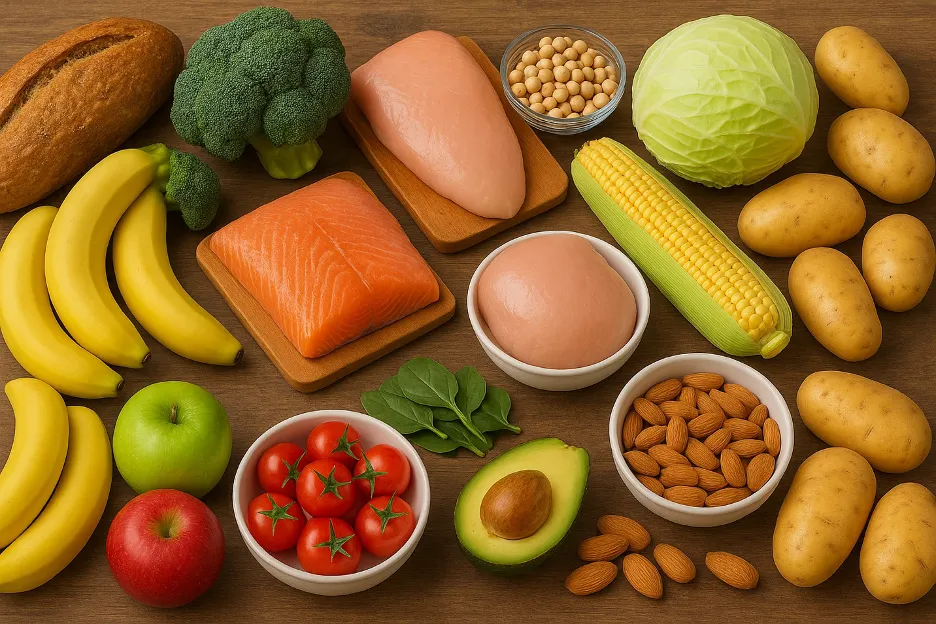
The goal is simple: feed your body what it recognizes as food. Minimally processed foods “help retain nutritional value and are less likely to include added sugars, salt or unhealthy fats, which may disrupt the gut microbiome” (Source 1.9). By shifting our default from processed to real, we empower our gut to do its job.
This article is your guide to making that switch. It’s the foundational, non-negotiable step toward a diverse, resilient gut microbiome, which, in turn, strengthens your immunity, reduces chronic inflammation, and optimizes your mind-body connection.
The Gut-Brain Axis: Your Second Brain
Have you ever had a “gut feeling” about a decision, or felt physically sick from stress? That’s not just a figure of speech; it’s the Gut-Brain Axis in action. This two-way highway connects your digestive system and your central nervous system via the vagus nerve. It’s how your gut—your “second brain”—talks directly to your mind.
The Microbiome’s Secret Conversation
The three pounds of bacteria living in your large intestine (your microbiome) aren’t silent passengers; they are chemical messengers. They communicate constantly, producing key compounds like neurotransmitters—the same chemicals found in your brain, such as serotonin, which regulates mood.
When you consistently feed your gut-friendly bacteria (the “good bugs”) with whole foods, they thrive. When you feed them UPFs—which often contain industrial emulsifiers, artificial sweeteners, and low levels of fiber—they struggle, and the balance shifts towards “bad bugs.”
The UPF-Stress Loop
This imbalance, called dysbiosis, sends inflammatory signals up the Gut-Brain Axis. Research has shown a strong correlation here. Epidemiologist and geneticist Prof. Tim Spector notes: “We call the gut the second brain… a poor diet can lead to poor mental health outcomes, and ‘being depressed can actually alter your gut’ too” (Source 1.4).
The incredible news is that this connection is malleable. You can start sending positive signals back to your brain by what you choose to eat today.
The Core Science: Fiber, SCFAs, and Integrity
To truly live an unprocessed life, we need to understand our microbes’ favorite food group: fiber.
Fiber is Fuel (Prebiotics)
Our human digestive enzymes can’t break down fiber, but our gut microbes are experts at it. Fiber is a prebiotic—the fuel that feeds your beneficial bacteria. When you eat a raw carrot, a handful of almonds, or a bowl of oats, you are literally fueling your microbial ecosystem.
The SCFA Factory
When your gut bugs ferment that fiber, they produce beneficial compounds called Short-Chain Fatty Acids (SCFAs). The most important of these is butyrate.
Butyrate is nothing short of the gut’s architect. It is the primary energy source for the cells lining your colon (colonocytes). By feeding these cells, butyrate strengthens the entire intestinal barrier, keeping inflammation down and preventing unwanted substances from “leaking” out of the gut. This is the bedrock of strong immunity and reduced systemic inflammation.
The Diversity Mandate
Quantity of fiber matters, but variety is the real secret. Experts emphasize that the single most effective thing you can do is increase the sheer diversity of your plant intake. Prof. Tim Spector recommends aiming for “30 different plant foods each week” to cultivate a diverse microbiome (Source 1.1, 1.7). Think about all the different colors, textures, and families of fruits, vegetables, nuts, seeds, and grains you can explore!
The Unprocessed Blueprint: Two Pillars of Nutrition
Making the switch to unprocessed living doesn’t require complex meal plans; it requires focusing on two simple pillars: maximizing fiber (prebiotics) and introducing new bacteria (probiotics).
Pillar 1: Maximizing Prebiotics (Fiber-Rich Whole Foods)
Your food choices directly shape your microbial community. Here are three key food families to prioritize:
- Legumes: Beans, lentils, and chickpeas are powerhouse sources of fiber and contain polyphenols—compounds that beneficial gut microbes adore. They are cheap, filling, and incredibly versatile.
- Cooked and Cooled Starches (Resistant Starch): Certain starches, like potatoes, rice, and oats, become powerful prebiotics when they are cooked and then cooled. This process changes their structure, making them resistant to digestion in the small intestine, delivering them intact to the large intestine for your microbes to feast on.
- Nuts and Seeds: These are excellent sources of both fiber and healthy fats, like omega-3s, which are linked to a more diverse gut microbiome (Source 1.1, 1.2). Throw walnuts on your salad, flaxseeds in your smoothie, or snack on almonds.
Pillar 2: Introducing Probiotics (Fermented Foods)
While prebiotics feed the bugs you already have, probiotics introduce new, beneficial strains.
Look for whole, unpasteurized, fermented foods with “live active cultures.” This is where you get new colonists for your gut ecosystem:
- Plain Kefir or Yogurt: Look for live cultures and avoid high-sugar versions.
- Raw Sauerkraut and Kimchi: These contain beneficial bacteria and are easy to add to sandwiches or bowls.
- Kombucha: Choose low-sugar varieties.
As the expert Williams notes, “Sauerkraut, cottage cheese and yogurt with live cultures, kimchi and kombucha are all whole-food sources of probiotics” (Source 1.3). The key is consistency. Try to include a small amount of probiotic food daily to make the most significant impact over time.
Practical Implementation and Sustainable Change
The beautiful thing about the Unprocessed Life is that it’s inherently sustainable. You aren’t restricting—you are adding goodness.
The Power of Control: Cooking From Scratch
The single most powerful action is cooking from scratch. When you prepare your own food, you eliminate the hidden culprits of poor gut health: inflammatory vegetable oils, synthetic emulsifiers, and massive amounts of added sugars and sodium. Cooking is an act of self-care and control.
Slow and Steady Wins the Race
If you currently eat a low-fiber diet, diving head-first into a high-fiber plan can result in temporary gas, bloating, and digestive discomfort as your microbial community shifts. Be gentle with yourself. Take it easy and gradually increase your intake of legumes, whole grains, and vegetables. Start by adding one new fruit or vegetable each week and notice how you feel.
Beyond the Plate: The Lifestyle Connection
Remember, your gut is listening to your life, not just your plate (Source 1.9):
- Hydrate: Drink plenty of clean water. Water aids in breaking down food and absorption.
- Move: Regular movement, like a daily walk, helps stimulate gut motility (peristalsis).
- Breathe: Stress is seriously detrimental to gut health. Incorporate simple stress management techniques like deep breathing or journaling to quiet the inflammatory signals.
Conclusion
The journey to an unprocessed life is an act of profound self-nourishment. It is the best long-term investment you can make in your immunity, your energy, and your mental clarity. By choosing real, whole, and diverse foods, you are rebuilding your microbial foundation from the ground up, one meal at a time.
Start simple today: Swap one processed food for a whole food. Exchange a sugary breakfast bar for a bowl of plain oats topped with seeds and berries, and feel the difference that true nourishment provides.
Disclaimers
Medical Disclaimer
The content in this article is provided for informational and educational purposes only and is not intended as a substitute for professional medical advice, diagnosis, or treatment. Always seek the advice of your physician or other qualified health provider with any questions you may have regarding a medical condition or before making any significant changes to your diet or lifestyle. We are not licensed medical professionals, and relying on any information in this article is solely at your own risk.
Amazon Affiliate Disclosure
This article contains affiliate links. If you click on these links and make a purchase, we may receive a small commission at no extra cost to you. We only recommend products and services that we genuinely believe will add value to our readers.
AI Usage Disclosure
This content, including the structure, expert synthesis, and draft text, was generated with the assistance of an artificial intelligence language model. It is then edited by a human before publication. While the information is grounded in current expert research and verified sources, it has not been reviewed by a licensed medical professional.
Tools for an Unprocessed Kitchen (Amazon Affiliate Links)
Lodge 12 Inch Cast Iron Pre-Seasoned Skillet
Nutribullet Full-Size Blender Combo 1200W
Books On Amazon
The Real Food Table: 100 Delicious Mostly Gluten-Free, Grain-Free and Dairy-Free Recipes
100 Days of Real Food: On a Budget
Source Verification
Aim for 30 different plant foods each week
Source: Prof. Tim Spector, ZOE: How to Improve Gut Health: 16 Science-Backed Methods URL: https://zoe.com/learn/how-to-improve-gut-health (Source 1.1)
Whole-food probiotics (sauerkraut, yogurt, kimchi)
Source: Williams (expert quoted), EatingWell: 12 Foods to Improve Your Gut Health Overnight URL: https://www.eatingwell.com/article/8021156/foods-to-improve-gut-health-overnight/ (Source 1.3)
Gut-Brain Axis: Poor diet affects mental health
Source: Prof. Tim Spector, Women’s Health Mag: How diet and health changes can transform your mood URL: https://www.womenshealthmag.com/uk/food/healthy-eating/a68075890/tim-spector-gut-health-tips/ (Source 1.4)
Minimally processed foods help retain nutritional value and may be less likely to include unhealthy fats, which may disrupt the gut microbiome
Source: Dr. Julian Hurdle (expert quoted), Vital Record: Gut health explained: What’s worth following and what’s just hype? URL: https://vitalrecord.tamu.edu/gut-health-explained-whats-worth-following-and-whats-just-hype/ (Source 1.9)
Exercise, stress management, and hydration support gut health
Source: Dr. Narendra Kumar (expert quoted), Vital Record: Gut health explained: What’s worth following and what’s just hype? URL: https://vitalrecord.tamu.edu/gut-health-explained-whats-worth-following-and-whats-just-hype/ (Source 1.9)
SCFAs strengthen the intestinal barrier
Source: PMC: Influence of Foods and Production on Gut Microbiome and Implications URL: https://pmc.ncbi.nlm.nih.gov/articles/PMC9455721/
 lifetransformation.shop
You must be logged in to post a comment.