Life Transformation Blog

ALL THE UPS AND DOWN

  • How Ultra-Processed Foods Mess With Your Mood

    (And What to Do About It)
    Let’s be honest about what we’re actually eating

    If you’re over 40, you’ve probably noticed that the foods that used to satisfy you just don’t hit the same way anymore. Life gets busy, we grab what’s convenient, and somewhere along the way, our energy crashes and our mood follows.

    Here’s the thing: it might not be stress, hormones, or lack of willpower. It could be what’s actually in your food.

    What is an “Ultra-Processed Food” (and why does it matter)?

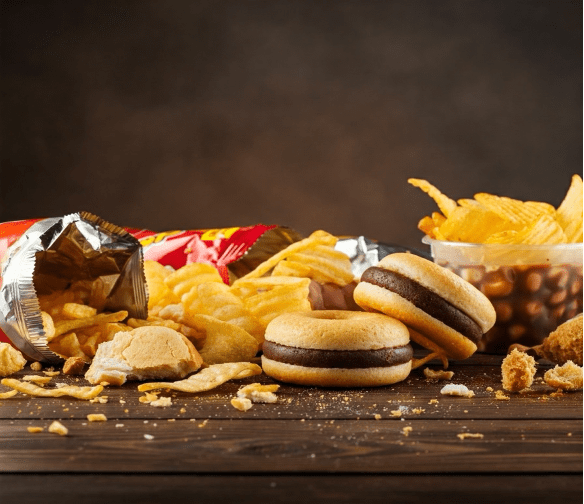
    Ultra-processed foods aren’t just the obvious suspects like chips and candy. They’re the sneaky ones hiding in plain sight—that “healthy” granola bar, the flavored yogurt you thought was a good choice, even some plant-based meat alternatives.

    The difference isn’t about being “processed” (hello, cheese and bread have been processed for centuries). It’s about foods that have been completely deconstructed and rebuilt with ingredients you wouldn’t find in your grandmother’s kitchen. Think emulsifiers, artificial colors, flavor enhancers—the stuff that makes food last forever on shelves and taste irresistible.

    Dr. Carlos Monteiro, who created the system we use to classify these foods, calls them “industrial formulations.” Basically, if the ingredient list reads like a chemistry experiment, you’re probably looking at an ultra-processed food.

    The mood connection is real (and it’s not just in your head)

    I know, I know—another study telling us our favorite foods are bad. But hear me out.

    A massive study published in 2024 looked at data from millions of people across different countries and found the same pattern everywhere: people who ate more ultra-processed foods were more likely to struggle with depression, anxiety, and other mood issues.

    One study followed over 31,000 American women in their 40s and 50s for years. Those who ate the most ultra-processed foods—especially the artificially sweetened ones—had higher rates of depression. But here’s the encouraging part: when women cut back on these foods, their depression risk actually dropped.

    Now, before you panic about that diet soda addiction, remember this doesn’t prove that ultra-processed foods cause depression. But the pattern is consistent enough that it’s worth paying attention to.

    Why your favorite snacks might be working against you

    There are three ways ultra-processed foods might be messing with your mood, and honestly, none of them are your fault:

    Your brain gets hijacked by the food itself

    Scientists at the National Institutes of Health did something brilliant—they fed people two different diets for two weeks each. Both diets had the same calories, protein, fat, carbs, sugar, and fiber. The only difference? One was made of ultra-processed foods, the other wasn’t.

    On the ultra-processed diet, people ate about 500 extra calories a day without even trying. They gained weight. Same people, same willpower—different food.

    The researchers concluded that ultra-processed foods literally “cause excess calorie intake.” It’s not about self-control; it’s about food that’s designed to override your natural satiety signals.

    Your gut bacteria revolt

    This one sounds weird, but stick with me. Your gut is home to trillions of bacteria that help digest food and communicate with your brain. When researchers fed people common food additives like carboxymethylcellulose (found in many “low-fat” and “sugar-free” products), the good bacteria decreased and inflammation markers went up.

    Less good bacteria means fewer of the compounds that help regulate mood and brain function. It’s like your gut-brain connection gets static interference.

    Your hunger signals get confused

    When your gut bacteria are unhappy, they produce fewer short-chain fatty acids—compounds that help regulate everything from immune function to neurotransmitter balance. When these are low, your body’s internal communication system gets wonky, affecting everything from appetite to mood.

    What the experts are saying (in plain English)

    The scientists studying this stuff are being pretty clear:

    • Dr. Kevin Hall from the NIH: Ultra-processed foods make people overeat and gain weight even when calories are matched. The form of the food matters, not just what’s in it.
    • The BMJ review authors: Greater exposure to ultra-processed foods is linked to worse health outcomes, including mental health problems. This isn’t just about individual choices anymore—it’s a public health issue.
    • The depression study researchers: Cutting back on ultra-processed foods, especially artificially sweetened ones, was associated with lower depression risk in midlife women.

    A realistic plan that won’t make you miserable

    Look, I’m not going to tell you to throw out everything in your pantry and start fermenting your own vegetables (unless that’s your thing). Life is complicated enough. Instead, let’s make some swaps that actually stick:

    Start with your biggest hits

    Pick the two ultra-processed foods you eat most often and find simple swaps:

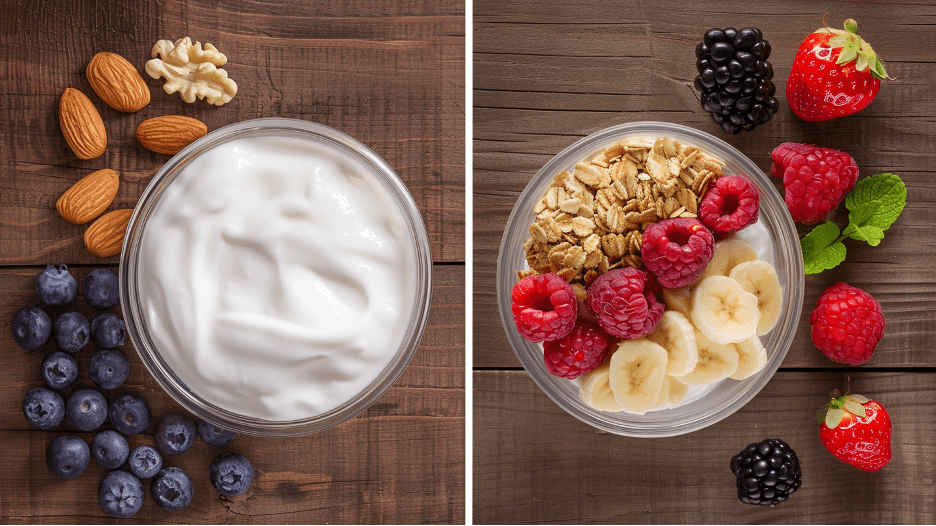
    • Flavored yogurt → Plain Greek yogurt with berries (add honey if you need it)
    • Granola bars → A handful of nuts with a few squares of dark chocolate
    • Diet soda → Sparkling water with a splash of real fruit juice

    Feed your good gut bacteria

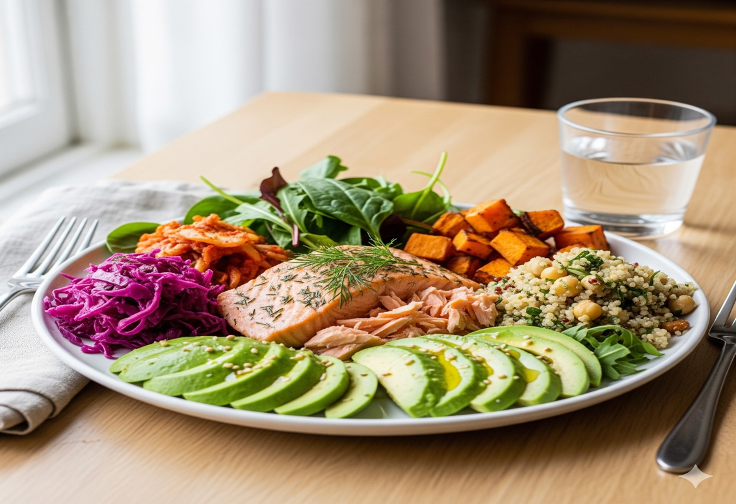
    Aim for what I call the “fiber trio” most days: leafy greens, beans or lentils, and berries. These feed the bacteria that make those mood-regulating compounds your brain needs.

    Play detective with labels

    Spend 30 seconds checking ingredient lists. If you see things like carboxymethylcellulose, polysorbate-80, or a bunch of numbers and letters, that’s your cue that this is a “sometimes” food, not an “every day” food.

    Build better dinners without the fuss

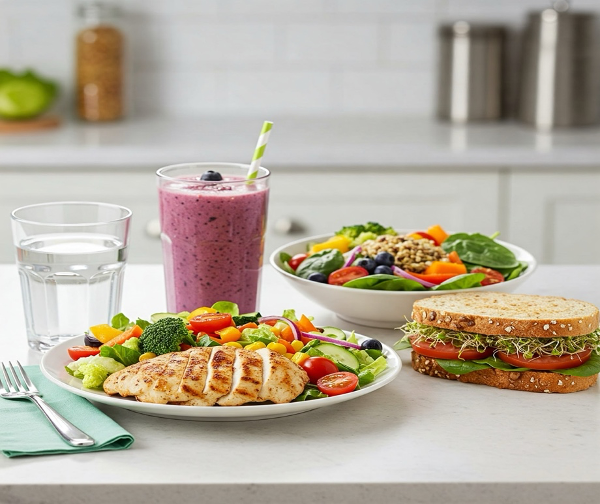
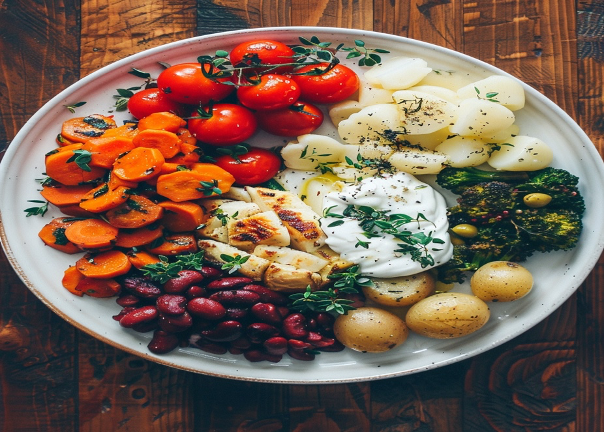
    Here’s a template that works: good fat (olive oil) + aromatics (onion, garlic) + lots of vegetables + protein (fish, beans, tofu) + fresh herbs. Finish with fruit and plain yogurt for dessert. It sounds fancy but takes 20 minutes.

    Track what matters to you

    For a week, just notice: How’s your energy in the afternoon? How strong are your evening cravings? How do you feel when you wake up? If small changes help these things, you’re onto something.
    The bottom line: progress, not perfection

    You don’t need to become a food purist. The goal isn’t to never eat anything that comes in a package again. It’s about shifting the balance—eating fewer foods that mess with your hunger signals and more foods that work with your body instead of against it.

    Many people find that when they reduce ultra-processed foods, the constant “food noise” in their head quiets down. Cravings become less intense. Energy becomes more stable. Mood follows suit.

    The research is still evolving, but your experience is what matters. If eating closer to whole foods makes you feel better, that’s all the evidence you need.

    A gentle reminder

    If you’re dealing with depression, anxiety, or taking medications for mental health, definitely talk to your healthcare provider before making big dietary changes. Food can be powerful medicine, but it works best as part of a complete approach to your wellbeing.

    Resources:

    Physician’s Choice Probiotics 60 Billion CFU

    The Mind-Gut Connection – by Emeran Mayer (Author)


    The science behind this article comes from peer-reviewed research published in journals like BMJ, JAMA Network Open, Cell Metabolism, and Gastroenterology. While the research is observational (meaning it shows associations, not cause-and-effect), the patterns are consistent across different populations and countries.

    Medical Disclaimer

    The information provided here is intended for general knowledge and informational purposes only and does not constitute medical advice. Talk to your medical professional or licensed nutritionist before making any changes to your diet or lifestyle.

    AI Usage Disclosure:

    This article was written using an AI language model for research and outlining. It was then rewritten and edited by a human to ensure accurate information.

    Amazon Affiliate Disclaimer:

    As an Amazon Associate, I may earn a small commission from qualifying purchases at no additional cost to you.


  • From Bloated to Brilliant

    10 Gut-Healthy Foods that support both gut wellness and mental clarity.

    Why Your Gut and Brain Health Matter More Than Ever

    If you’ve been getting brain fog, feeling low on energy, or dealing with stomach issues, you’re not alone. The connection between what we eat and how we feel—both physically and mentally—has never been clearer. But there is good news!  By making small, easy swaps in your daily food choices, you might just see a positive difference in both your gut health and brain function.

    I understand how hard it is, but you don’t need to change your entire lifestyle overnight. Instead, you can focus on gentle swaps or additions that fit into your current routine. This approach is not just more sustainable—it’s more effective for long-term success.

    Understanding the Gut-Brain Connection

    Your gut and brain are in constant conversation through what scientists call the “gut-brain axis.” This connection means that when your digestive system is happy and balanced, your brain often follows suit with improved focus, stable mood, and sustained energy.

    Dr. W. Taylor Kimberly, a researcher at Massachusetts General Hospital, emphasizes the importance of dietary choices in maintaining brain health: “We’ve shown that increased intake over time of ultra-processed foods can impact the two most common and significant causes of neurological disability—stroke and cognitive impairment. The good news is that even modest cutbacks in consumption of UPFs are associated with meaningful brain health benefits.”

    The Science Behind Gut-Brain Nutrition

    Recent studies clearly show that our food choices directly impact both digestive and cognitive health. A study published in Neurology found that a 10% increase in ultra-processed food consumption was linked to a 16% higher risk of cognitive impairment. Research also shows that people following gut-healthy eating patterns experience better mood, clearer thinking, and more stable energy.

    Frank Hu, Fredrick J. Stare Professor of Nutrition and Epidemiology at Harvard T.H. Chan School of Public Health, talks about the wider health benefits: “The vast majority of [ultra-processed foods] are unhealthy, and the more of them you eat, the higher your risk of various diseases.” The mechanisms involve reducing inflammation, supporting beneficial bacteria, and providing steady nutrients that both your gut and brain need to function optimally.

    The following accessible foods can be found at most grocery stores and offer a gentle approach to supporting both digestive and brain health through nourishment rather than restriction.

    10 Gentle, Gut-Healthy Foods for Your Daily Routine

    FoodGut BenefitBrain BenefitSimple Swap
    Greek Yogurt with Live CulturesProvides beneficial probiotics that support digestive balanceContains protein for steady energy and may support mood regulationReplace sugary breakfast pastries with Greek yogurt topped with berries
    Leafy Greens (Spinach, Kale, Arugula)Rich in fiber that feeds beneficial gut bacteriaPacked with folate and antioxidants that support cognitive functionAdd a handful of spinach to smoothies or sandwiches
    Berries (Blueberries, Raspberries, Blackberries)High fiber content supports digestive healthAnthocyanins may help protect against age-related cognitive declineKeep frozen berries on hand for easy smoothie additions
    Fatty Fish (Salmon, Sardines, Mackerel)Omega-3s help reduce inflammation in the digestive tractEssential fatty acids support memory and cognitive functionTry canned salmon instead of processed lunch meat
    Walnuts and AlmondsPrebiotic fiber feeds beneficial gut bacteriaOmega-3s and vitamin E support brain healthChoose raw nuts instead of processed snack foods
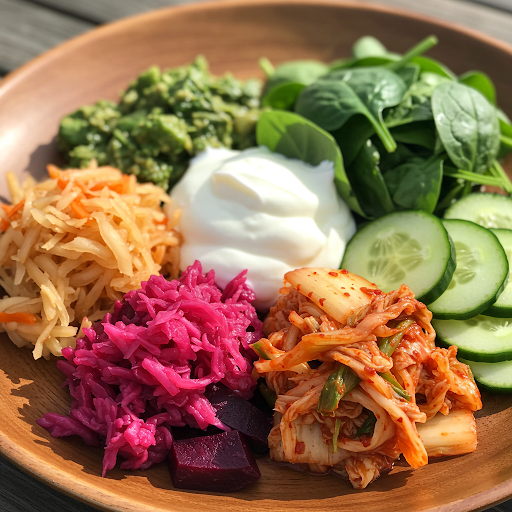
    Fermented Vegetables (Sauerkraut, Kimchi)Natural probiotics support digestive balanceMay help reduce inflammation linked to mood issuesAdd a small serving to salads or grain bowls
    Whole Grains (Quinoa, Brown Rice, Oats)Fiber supports healthy digestion and beneficial bacteriaB vitamins and steady glucose release support mental clarityChoose brown rice or quinoa instead of white rice
    AvocadosRich in fiber and healthy monounsaturated fatsSupports healthy blood flow to the brainUse avocado instead of processed spreads on toast
    Sweet PotatoesPrebiotic fiber feeds beneficial gut bacteriaBeta-carotene and complex carbs support brain functionBaked sweet potato instead of regular french fries
    Green TeaPolyphenols support beneficial gut bacteria growthL-theanine promotes calm focus without jittersGreen tea instead of sugary afternoon drinks

    Foods to Avoid for Gut-Brain Health:

    Processed Meats – Hot dogs, deli meats, and sausages contain nitrates and preservatives that contribute to oxidative stress in both gut and brain.

    Sugary Beverages – Sodas, energy drinks, and sweetened coffee provide empty calories while disrupting beneficial gut bacteria.

    Refined Grains – White bread, crackers, and packaged baked goods lack fiber needed for gut bacteria and may promote inflammation.

    Simple Daily Habits for Gut-Brain Health

    Beyond food choices, these gentle lifestyle practices support your gut-brain connection:

    • Stay Hydrated: Adequate water supports both digestion and brain function
    • Move Gently: Even a 10-minute walk after meals aids digestion and mental clarity
    • Prioritize Sleep: Quality rest is essential for both gut bacteria balance and brain health
    • Manage Stress: Simple breathing exercises or meditation support your gut-brain axis
    • Eat Mindfully: Taking time to chew thoroughly and eat without distractions aids digestion

    Your Next Steps: Start Small, Stay Consistent

    Remember, you don’t need to change everything at once. Pick 2-3 foods from the list above that appeal to you and add them to meals you already enjoy. Small, consistent changes create lasting results.

    Recommended Resources for Deeper Learning

    If you are interested in learning more about the gut-brain connection, consider exploring:


    Sources:

    • Medical News Today: Recent study linking ultra-processed foods to cognitive decline and stroke
    • Harvard Health Publishing: Eating ultra-processed foods tied to cognitive decline
    • Healthline: The impact of ultra-processed foods on cognitive health
    • Harvard School of Public Health: The effects of ultra-processed foods on brain health
    • Massachusetts General Hospital: Association between ultra-processed foods and cognitive decline
    • National Institute on Aging: Strategies for maintaining cognitive health in older adults
    • Mayo Clinic: The role of diet in cognitive health

    Medical Disclaimer

    The information provided here is intended for general knowledge and informational purposes only and does not constitute medical advice. Talk to your medical professional or licensed nutritionist before making any changes to your diet or lifestyle.

    AI Usage Disclosure:

    This article was written using an AI language model for research and outlining. It was then rewritten and edited by a human to ensure accurate information.

    Amazon Affiliate Disclaimer:

    As an Amazon Associate, I may earn a small commission from qualifying purchases at no additional cost to you.

  • Gut Health Equals Mental Health?

    Why Your Stomach Might Be the Secret to Feeling Better After 40

    Ever had a “gut feeling” or been “tied up in knots” about something stressful? As it turns out, those belly metaphors aren’t just figures of speech—they’re real reflections of how closely connected your gut and brain actually are. Scientists now call this link the gut-brain axis, and for adults over 40, it’s one of the most exciting frontiers in health research.

    The Gut-Brain Axis Explained

    Your gut is home to trillions of bacteria—good and bad—that collectively form your microbiome. This vast ecosystem sends chemical and electrical signals to your brain via the vagus nerve, a kind of information superhighway—leading GI psychologist Dr. Steve Feinstein calls it “the most significant” channel for mood, digestion, and sleep regulation.

    It’s a two-way street: stress, anxiety, or poor sleep can disrupt gut health, and gut problems can trigger depression, “brain fog,” and trouble concentrating. Over 90% of serotonin, your feel-good hormone, is produced in your gut—not your brain. No wonder GI symptoms so often go hand-in-hand with mental struggles, especially for those with conditions like IBS or after stressful life changes.

    Symptoms: How Poor Gut Health Feels in Your Mind and Body

    For folks over 40, gut-brain symptoms can include:

    • Moodiness, anxiety, or depression
    • Memory lapses or trouble making decisions
    • Energy swings (“sluggishness” or “wired”)
    • Sleep troubles and digestive discomfort (constipation, bloating, etc.)
    • “Brain fog” and difficulty staying focused.

    The Vicious Cycle—And How to Break It

    Gut and mental health fuel each other: GI symptoms make stress and mood issues worse, which then disrupt digestion even more. Experts call it a “vicious cycle,” but the good news is that you can break it using simple strategies tailored for midlife wellness.

    Over 90% of serotonin, your feel-good hormone, is produced in your gut—not your brain.

    Diet: The Foundation of Gut-Brain Health

    The single most powerful step? Eat for your microbes! The Mediterranean diet is consistently recommended for its high fiber, variety, and abundance of beneficial plant chemicals. Adults over 40 especially benefit from:

    • 30–40g of fiber daily (whole grains, beans, veggies, fruits)
    • Colorful produce (especially berries, leafy greens, crucifers)
    • Healthy fats (olive oil, nuts, seeds)
    • Minimizing processed foods and sugar

    Fiber fuels the “good” bacteria, reducing inflammation that threatens both gut and brain as we age. The more diverse your diet, the more resilient your microbiome—and your mind.f

    Probiotics: Food and Supplements

    Probiotics are the rock stars of gut-brain wellness. They support a diverse, balanced gut flora—especially Bifidobacterium longum and Lactobacillus rhamnosus, which have been shown to ease anxiety and improve sleep in scientific studies.

    Best foods for natural probiotics:

    • Yogurt (look for “live cultures” on the label)
    • Sourdough bread
    • Fermented pickles/cucumbers
    • Kimchi and sauerkraut
    • Miso soup and kombucha

    Supplements can help, too—especially if you’re over 40, dealing with chronic stress, or using antibiotics. Not all brands are created equal, so consider working with a registered dietitian or GI specialist for recommendations.

    Simple Lifestyle Upgrades That Make a Big Impact

    Beyond diet and supplements, these proven strategies help calm the gut-brain axis:

    • Diaphragmatic Breathing: A few slow breaths—where you feel your belly expand—send calming signals through the vagus nerve and improve digestion.
    • Practical Self-Talk: Catching and gently reframing “worst-case” thoughts about your symptoms can actually ease gut discomfort and reduce mental stress.
    • Guided Meditation/Hypnotherapy: Targeted audio meditations help relax the nervous system, reduce GI symptoms, and sharpen focus—especially effective for older adults with chronic or stress-related gut issues.
    • Movement: Regular walks, yoga, or gentle exercise help balance hormones and fuel “good” gut flora.

    Recent Breakthroughs (2024–2025)

    The past two years have seen huge leaps in gut-brain research:

    • Parkinson’s and Alzheimer’s: Scientists can now detect changes in the gut microbiome that often precede these disorders—making nutrition and probiotics a promising path for prevention.  
    • “Long COVID” Brain Fog: Human trials show that restoring gut flora via specific diets and probiotic regimens help reduce lingering mental symptoms after illness.
    • Personalized Gut-Brain Therapy: Combining GI care, nutrition, and mental health counseling in virtual clinics (like Oshi Health) has led to faster, longer-lasting symptom relief—even for tough cases.
    • Machine Learning Microbiome Mapping: AI can profile gut bacteria and predict which foods will help which people feel better, opening the door for custom dietary plans for mental and gut wellness.

    Expert Quotes to Encourage Confidence

    “Our mental health is the way our nervous system reacts to our world; it creates a state of comfort or discomfort. When we get negative messages from the gut, a state of mental discomfort is created, which influences how we feel.”
    —Dr. Steve Feinstein, GI Psychologist

    “The vagus nerve sends information to the brain constantly about what’s going on so the brain can regulate function and just have an idea of how the individual is doing, because all these processes are important to sustain life.”
    —Dr. Steve Feinstein, Oshi Health

    “The provider was fantastic … giving a good synopsis of my current problems. I had already seen two other GI providers and nobody had ever asked me about my diet or mentioned the brain-gut connection. It was very refreshing to have someone look at the whole body and not just my symptoms.”
    —Oshi Health patient testimonial

    Whole-Person Care: What Actually Works

    The most effective approach for adults 40+ is whole-person care. Working with a team (GI specialists, dietitians, mental health counselors) brings you:

    • Personalized care plans that match your lifestyle and symptoms
    • Dietary changes plus stress reduction strategies for lasting benefits
    • Compassionate support for mind and body, not just symptom management.

    FAQs for Adults Over 40

    Q: Can gut health really help with anxiety and depression as I age?
    A: Yes—numerous studies show that a balanced microbiome helps regulate mood, stress, and cognitive health throughout life, with effects growing more noticeable after 40.

    Q: What foods should I avoid for better gut-brain wellness?
    A: Cut back on processed foods, sugar, and excess alcohol. Prioritize fiber, diverse fruits/veggies, and probiotics for best results.

    Q: Are probiotic supplements safe for older adults?
    A: Generally, yes! Look for strains supported by research (e.g., Bifidobacterium, Lactobacillus), seek products with quality assurance, and consult a health professional for personalized guidance.

    Q: How long until I feel better if I make these changes?
    A: Many notice improvements in digestion, mood, and energy within weeks. Studies show that comprehensive gut-brain care relieves symptoms in up to 92% of patients within 10 weeks.

    Top Books for Gut-Brain Health

    If you’re ready to learn more and get expert advice, these books are among 2025’s bestsellers—each offers actionable steps for over-40 readers, and their links can be shared via affiliate programs:

    Book TitleAuthor(s)Why It’s Great
    The Mind-Gut ConnectionDr. Emeran MayerExplains diet/probiotic strategies for mental clarity, great for midlife
    Calm Your Mind With FoodUma NaidooFoods for brain resilience, tailored advice for older adults
    GutGiulia EndersAccessible explainers for everyone
    Heal Your Gut, Save Your BrainMayo ClinicScience-driven guide for protecting cognition after 40

    My Favorite Probiotics: Physician’s Choice Probiotics 60 Billion CFU

    My Favorite Loose-leaf Green Tea: Organic Positively Tea Company, Qilan Wuyuan Oolong Tea

    Final Words

    Gut health isn’t just about avoiding stomach aches—it’s a foundational element of mental clarity, emotional well-being, and healthy aging. The science is clear: midlife is the perfect window to invest in practical diet changes, probiotic-rich foods, and whole-person care that can protect mind and body for decades to come.

    Medical Disclaimer

    The information provided here is intended for general knowledge and informational purposes only and does not constitute medical advice. Please consult with your medical professional before making any changes to your diet.

    AI Usage Disclosure:

    This article was written using an AI language model for research and outlining. It was then rewritten and edited by a human to ensure accurate information.

    Amazon Affiliate Disclaimer:

    As an Amazon Associate, I may earn a small commission from qualifying purchases at no additional cost to you.


    Sources:

    1. https://oshihealth.com/how-gut-health-affects-mental-health/
    2. https://www.franciscanhealth.org/community/blog/gut-health-connected-to-mental-health-and-wellness
    3. https://my.clevelandclinic.org/health/body/the-gut-brain-connection
    4. https://www.accio.com/business/best-selling-health-and-wellness-books
    5. https://www.symprove.com/blogs/gut-science/gut-health-book-recommendations
    6. https://www.forbes.com/sites/entertainment/article/wellness-books/
    7. https://mcpress.mayoclinic.org/product/heal-your-gut-save-your-brain/
    8. https://www.nature.com/articles/s41598-025-86858-3
  • Gut-Healthy Travel

    How I Learned to Travel with Digestive Issues

    Disclaimer: This article is not a substitute for professional medical advice. Always consult a healthcare provider before traveling abroad or changing diet or medications.

    Travel is an adventure for the mind, body, and soul. But if dealing with digestive issues, the excitement can be clouded by worries about diet, routine disruption, and discomfort. That was my reality—until travel taught me how to manage my gut, embrace new experiences, and enjoy adventures with newfound confidence.

    My Wake-Up Call: Surviving Stomach Trouble Abroad

    My journey began in Quito, Ecuador, where after weeks of exploring, I was hit with a severe stomach flare-up. Navigating a foreign system with limited Spanish and an urgent medical need was daunting. However, local healthcare proved exceptional—I was treated and recovered quickly, later discovering a nasty case of gastritis and H. Pylori. Thirty days of antibiotics later, I was healthy and inspired to rethink my diet and routines. The whole ordeal was a lesson in preparation, research, and openness to change.

    Understanding Your Gut’s Challenges (and Surprises)

    Your gut microbiome—a vast ecosystem of bacteria—shapes digestion, immunity, and mental wellbeing. Travel, however, throws curveballs like jet lag, unfamiliar foods, and routine changes. Disruption can cause digestive upset, but exploring new cuisines and walking more may benefit gut health. Proactive planning helps tip the scales in your favor.

    Packing Your Gut-Health Toolkit

    Smart packing is essential for gut-friendly travel. Here’s what belongs in your suitcase:

    • Medications: Bring enough prescription and over-the-counter remedies (antacids, anti-diarrhea, rehydration salts). Familiar meds save worry if language barriers or unfamiliar pharmacies arise.
    • Gut-Friendly Snacks: Stash non-perishable options like nuts, seeds, dried fruit, or protein bars. They help avoid unhealthy choices and keep hunger at bay between meals.
    • Probiotics: Whether capsules or shelf-stable snacks (like sauerkraut chips or dried seaweed), daily probiotics may support a balanced gut microbiome.
    • Hydration Gear: Use a reusable water bottle (ideally with a filter) and bring electrolyte tablets. Dehydration worsens digestive issues, especially in hot climates or on long flights.
    • Mini First-Aid Kit: Include medication for nausea, antacids, and oral rehydration salts tailored to your needs for quick action.

    Navigating Food—and Enjoying It!

    Eating well abroad takes research and communication, but is within reach:

    • Research Dishes Before You Go: Search expat blogs, travel forums, and local Facebook groups for tips on gut-friendly meals. This advance work makes dining out less stressful.
    • Pack Snacks for Emergencies: Having nuts or dried fruit on hand means never being at the mercy of convenience stores.
    • Communicate with Restaurants: Don’t hesitate to ask about ingredients, cooking methods, or substitutions. Most restaurants are happy to accommodate.
    • Street Food Smarts: Choose cooked items over raw, look for high-traffic vendors, and trust your instincts for cleanliness.

    Managing Stress for Digestive Peace

    Travel stress is notorious for gut havoc. Self-care routines can help:

    • Mindfulness and Meditation: Just five minutes daily can alleviate anxiety. Apps and YouTube guides are great for beginners.
    • Gentle Yoga: Stretch to release tension and fatigue. Many hotels offer yoga classes; there’s always a video to follow in your room.
    • Deep Breathing: A simple breathing sequence—inhale for four, hold for four, exhale for eight—grounds you and calms the gut.

    Destination-Specific Prep

    Where you go shapes your gut strategy. In developing countries, food and water safety matter—a lot. Research local risks, get recommended vaccines, and identify trustworthy clinics in advance. Google Maps and expat group posts can help build your emergency list.

    When to Seek Help

    Most travel gut issues are brief, but persistent vomiting, bloody stools, or high fever require prompt medical attention. Research facilities before arrival and keep contacts handy.

    Quick Reference Table

    ChallengeSolutionExample
    Unfamiliar foodsPortable gut-friendly snacksNuts, bars, dried fruit
    Water safetyFiltration bottle/electrolyte tabsLifeStraw, electrolyte tablets
    StressMeditate/yoga/breathingApps, hotel yoga, quiet walks
    EmergenciesResearch clinics aheadGoogle Maps, expat groups

    Final Thoughts: Empowered Travel, Healthy Gut

    Traveling with digestive concerns isn’t about limitation—it’s about smart preparation, flexible routines, and self-advocacy. Every trip is a chance to learn, heal, and enjoy new experiences. Have your own tips? Share them in the comments below—community wisdom makes all the difference. Safe travels and happy gut adventures!


    Disclosure: Content was ideated in a text editor, refined with AI and writing assistants, and revised for clarity and authenticity.

    Amazon Affiliate Disclaimer:

    As an Amazon Associate, I may earn a small commission from qualifying purchases at no additional cost to you.

    Resources:

    The Mind-Gut Connection: by Emeran Mayer (Author) 

    The Gut-Brain Paradox: by Dr. Steven R Gundry (Author)

    Physician’s Choice Probiotics 60 Billion CFU

    RXBAR Protein Bars, Protein Snack, Snack Bars, Chocolate Sea Salt, 22oz Box (12 Bars)

  • Sweet Mess: How UPFs Wreck Your Gut and Brain

    Medical Disclaimer:

    The information provided in this blog post is intended for general knowledge and informational purposes only and does not constitute medical advice. It is essential to consult with a qualified healthcare professional for any health concerns or before making any decisions related to your diet or health.

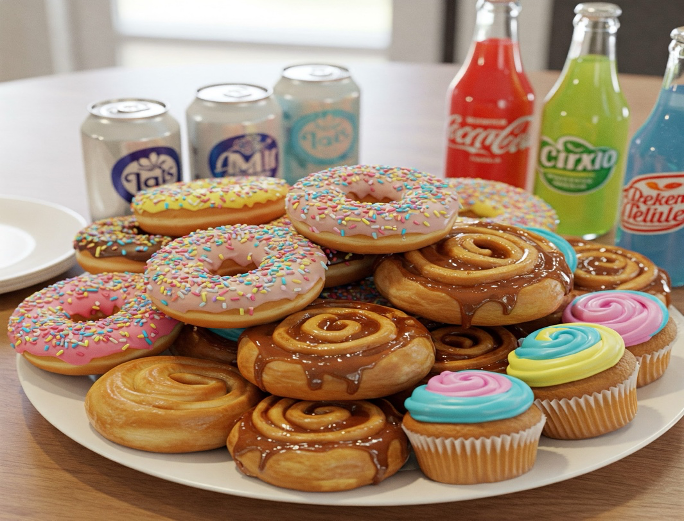
    Ever wonder why you feel foggy after that afternoon cookie binge? And then run to the coffee station to perk back up? Or why is your stomach upset more often these days? As it turns out, the culprits are in plain sight: processed carbs and added sugars. Doughnuts and Macchiatos could be ruining your health, as wonderful as they may taste. Let’s find out how these Ultra-Processed Foods are causing havoc in our bodies, especially in our guts and brains.

    The Sugar Surge

    First of all, we are consuming much more sugar than we did years ago. It’s cheap and always within arms-reach. Today’s average American consumes over 77 pounds of extra sweets annually. That is like consuming the weight of a small child in sugar! Furthermore, it’s not limited to clear sources like candy and soda. Real tricksters in this regard are processed foods. Hidden sugars abound even in apparently healthy foods like yogurt and granola bars. And then there are the breads we eat; some including as much sugar in each slice as a cookie!


    But why is sugar everywhere? Because sugar is cheap and enhances the taste of food, plain enough. Businesses make their products more appealing and improve shelf life with it. The problem is our bodies weren’t meant to manage this much sugar. In the past, our sugar came mostly from fruits and vegetables; these foods also included fiber and nutrients that served to balance things out. We are now ingesting sugar separately without those natural defenses.

    Dr. Emeran Mayer, a renowned expert on the gut-brain connection, explains how our relationship with sugar starts early:

    “The short-term effect [comes from] a lot of receptors in our mouth, like sweet tastes or bitter taste receptors that also sense texture. The brain gets this immediately and forms memories of this, and your sweet preference is programmed early on in life. We do this extensively with our kids for any positive event, like birthdays or celebrations, [with] lots of sugar.”1

    This early programming makes it harder for us to moderate our sugar intake later in life.

    Your Gut’s Not Happy

    All this sugar and processed carbs? They’re like throwing a wild party in your gut, and not the fun kind. It’s more like a rock band in a hotel room! Here’s what’s happening in your gut:

    1. Good Bugs vs. Bad Bugs: Your gut is home to trillions of tiny microbes. The good ones help you digest food and stay healthy. But when you eat lots of sugar and processed carbs, it’s like feeding the troublemakers. The bad bugs multiply, pushing out the helpful ones.
    2. Leaky Gut: Imagine your gut lining as a tight security fence. Too much sugar can create holes in this fence, letting stuff leak into your body that shouldn’t be there. This can lead to inflammation and all sorts of health issues.
    3. Mood Food Connection: Believe it or not, your gut produces most of your body’s serotonin – that’s the “feel-good” chemical. When your gut is out of whack, it can mess with your mood big time.

    Brain Drain

    1. Memory Mush: Studies show that people who eat lots of added sugars have a harder time remembering things. It’s like sugar puts your brain in a fog.
    2. Concentration Crash: Ever feel like you can’t focus after a sugary snack? That’s because processed carbs can cause your energy levels to spike and then plummet, making it hard to concentrate.
    3. Mood Swings: The sugar roller coaster doesn’t just affect your energy – it can make your mood go up and down too. Hello, irritability!
    4. The Brain: It’s not just your belly that suffers. Your brain gets hit too. Dr. David Perlmutter, author of “Grain Brain,” warns:

    It’s not just your belly that suffers. Your brain gets hit too. Dr. David Perlmutter, author of “Grain Brain,” warns: “Modern grains are silently destroying your brain. By eating these foods, you are unwittingly consuming highly addictive drugs that are turning your brain into a veritable sponge for dementia and other serious diseases.”

    Breaking Free

    Now, don’t panic! Unless that’s your preference, you don’t have to swear off all carbohydrates and live on kale. The following simple strategies help reduce your intake of processed carbs and sugar:

    1. Become a Label Expert. Make it second nature to read food labels. Search for clever sugar substitutes including “maltodextrin” or “evaporated cane juice.” Remember, it most likely is if anything seems too good to be true.

    2. Switch Smart. Substitute whole grain for white bread or sweet yogurt for simple Greek yogurt with fresh fruit. Over time, these little adjustments can add up significantly.

    3. Fiber is Your Friend. Vegetables and legumes, among other foods heavy in fiber, feed the healthy bacteria in your stomach. They also keep you full longer, which reduces your likelihood of reaching for a snack.

    4. Fermented Foods FTW: Good gut flora can be restored with foods including yogurt, kimchi, and sauerkraut. Though at first strange, trust us; they are well worth it!

    5. Stay Hydrated: Occasionally we confuse hunger with thirst. sip water first then grab for a food. This little approach will help you avoid unneeded sugar binging.

    The Bigger Picture

    It is not only about personal decisions. Government policy and the food sector also play rather important roles. For instance, did you know most agricultural subsidies go for crops used in processed foods rather than fruits and vegetables? Especially in low-income neighborhoods, this makes junk food often less expensive than healthy meals.


    There is action being taken by some nations. Chile, for example, placed warning signs on meals heavy in sugar, and it actually cut the amount of sugary items people purchased! There are movements in the United States pushing better food labeling and endorsing better farming methods.

    The Future of Food

    As consumers become more aware of what they’re eating, there’s a growing demand for healthier options. Companies are starting to respond by offering more whole foods and reducing added sugars in their products. It’s a slow process, but every bit counts.

    Emerging Trends

    1. Precision Nutrition: With advances in genetic testing, personalized diets are becoming more accessible. This means you can tailor eating to your specific gut microbiome needs.
    2. Microbiome Therapies: Researchers are exploring ways to use probiotics and prebiotics to restore gut health. It’s not just about yogurt anymore – there are new, targeted treatments on the horizon.
    3. Sustainable Farming: There’s a push towards more sustainable farming practices that prioritize nutrient-dense crops over high-yield, low-nutrient ones. This could lead to healthier food options becoming more mainstream.

    Wrapping It Up

    Listen, nobody’s perfect, and you don’t need to cut out all sugar and carbs. The key is being aware and making small changes where you can. Your gut and your brain will thank you!

    Remember, it’s all about balance. Treat yourself sometimes, but try to make whole, unprocessed foods the staple of your diet. Your body (and mind) will feel the difference!

    Sources

    1. Nature: “Gut microbial taxa elevated by dietary sugar disrupt memory function” (2021)
    2. SSEW Symposium: Interview with Dr. Emeran Mayer (2016)
    3. Goodreads: Quotes by David Perlmutter
    4. PMC: “The Gut-Brain Axis Mediates Sugar Preference” (2020)
    5. Lewis Howes Podcast: Interview with Dr. Emeran Mayer
    6. Bookey: Quotes from “Grain Brain” by David Perlmutter
    7. Harvard Medical School: “Sugar and the Brain”
    8. Goodreads: Quotes by Emeran Mayer
    9. So Brief: Summary of “Grain Brain” by David Perlmutter (2025)

    Affiliate Links

    “Grain Brain” by David Perlmutter (2025)                                                           

    The Mind-Gut-Immune Connection, by Dr. Emeran Mayer

    UNHOLY TRINITY: How Carbs, Sugar & Oils Make Us Fat, Sick & Addicted by Daniel Trevor (Author)

    AI Usage Disclosure:

    This article was written using an AI language model for research and outlining. It was then rewritten and edited by a human to ensure accurate information.

    Amazon Affiliate Disclaimer:

    As an Amazon Associate, I may earn a small commission from qualifying purchases at no additional cost to you.

  • 10 Ultra-Processed Foods to Avoid

    Foods That May Increase Cognitive Decline

    Medical Disclaimer:

    The information provided here is intended for general knowledge and informational purposes only and does not constitute medical advice.

    I’m not a doctor or a scientist, but I think we can all agree that our food production system in the United States has changed dramatically in the past 50 years. Population increases and consumer demand have also complicated the issue. We all want the healthiest, most convenient food that modern science and technology safely allows. But what has been the cost of this increased variety and convenience?

    It seems that Ultra-Processed Foods, the “center aisle” foods at your local grocery store, have taken over our diets. They are cheaper and have a longer shelf life than fresh foods, and sometimes the labels even suggest they are healthy. The fact is they are anything but healthy, and the price you pay for them may hurt you in the long run. The focus of this article is the relationship between UPFs and our cognitive health age 40 and beyond. I will point out ten foods to avoid and offer five healthier alternatives for better cognitive health.

    Understanding Ultra-Processed Foods

    Ultra-processed foods are industrially produced items containing high levels of sugar, fat, and salt, along with preservatives and additives. These foods are designed for taste and shelf-life but lack essential nutrients, making them detrimental to overall health. Examples include frozen meals, sugary snacks, and processed meats. The term “ultra-processed” was coined by Brazilian researcher Carlos Monteiro, who categorized foods based on their level of processing. Ultra-processed foods are distinct from minimally processed foods like fresh fruits and vegetables, and even from processed foods like canned beans, which retain more of their natural nutrients.

    Dr. W. Taylor Kimberly, a researcher at Massachusetts General Hospital, emphasizes the importance of dietary choices in maintaining brain health. “We’ve shown that increased intake over time of ultra-processed foods can impact the two most common and significant causes of neurological disability—stroke and cognitive impairment. The good news is that even modest cutbacks in consumption of UPFs are associated with meaningful brain health benefits”.

    10 Ultra-Processed Foods to Avoid for Cognitive Health

    1. Frozen Meals

    – Frozen meals like TV dinners and instant noodles are high in sodium, preservatives, saturated fats and refined carbohydrates contributing to inflammation and cognitive decline.

    2. Processed Meats

       – Foods like hot dogs and sausages contain nitrates and nitrites, which can lead to oxidative stress in the brain, and increased risks of neurodegenerative diseases.

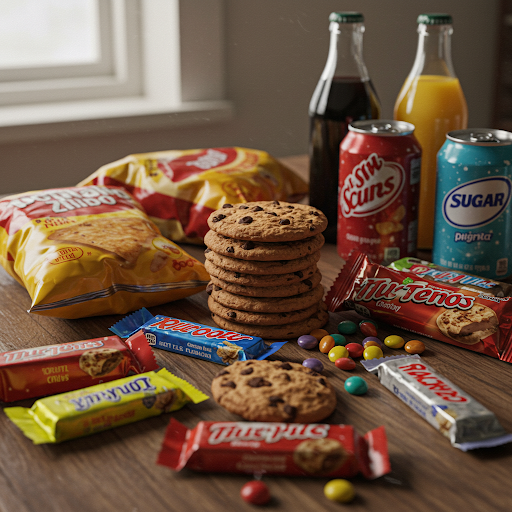
    3. Sugary Snacks

       – Snacks like candy bars and cookies are rich in sugar, causing spikes in blood sugar levels. This can lead to insulin resistance, a precursor to type 2 diabetes, which is associated with cognitive decline.

    4. Chips and Fried Snacks

       – These snacks are high in saturated fats and sodium, increasing the risk of cardiovascular diseases that can affect brain health. The high calorie content also contributes to obesity, another risk factor for cognitive impairment.

    5. Sugary Drinks

       – Beverages like soda and sports drinks contain high amounts of sugar, contributing to insulin resistance and inflammation and providing empty calories without any nutritional value.

    6. Packaged Baked Goods

       – Foods like packaged cookies and cakes are high in refined carbohydrates, added sugars and artificial additives which can disrupt gut health, further impacting brain function.

    7. Canned Goods

       – Canned soups and vegetables are often high in sodium and preservatives, which can negatively impact cognitive health. Opting for fresh or frozen alternatives can significantly reduce sodium intake.

    8. Instant Noodles

       – These noodles contain high levels of sodium and preservatives, and are low in essential nutrients, contributing to inflammation and oxidative stress.

    9. Breakfast Cereals

       – Many breakfast cereals are highly processed and contain added sugars, which can lead to cognitive decline. Choosing whole grain cereals or oatmeal can provide sustained energy and fiber, supporting cognitive function.

    10. Microwave Popcorn

        – This snack is often high in saturated fats, sodium, artificial flavorings and preservatives, contributing to cardiovascular risks that can affect brain health and disrupt gut health.

    Dr. Gary Small, chair of psychiatry at Hackensack Meridian Health, notes, “We’ve long known that certain types of foods, particularly processed foods, and especially ultra-processed foods, are not good for your heart. But they’re also not good for your brain”.

    The Science Behind Ultra-Processed Foods and Cognitive Decline

    Recent studies have consistently shown that consuming ultra-processed foods is associated with a higher risk of cognitive decline. A study published in *Neurology* found that a 10% increase in ultra-processed food consumption was linked to a 16% higher risk of cognitive impairment. Another study highlighted that consuming more ultra-processed foods experienced a 28% faster rate of cognitive decline compared to those consuming fewer of these foods.

    The mechanisms behind this association involve inflammation, oxidative stress, and disruptions in the gut-brain axis. Ultra-processed foods often contain advanced glycation end (AGE) products, which are substances that form when protein or fat combine with sugar in the bloodstream. AGEs accumulate over time and can lead to oxidative stress and inflammation, both of which are detrimental to brain health.

    Frank Hu, Fredrick J. Stare Professor of Nutrition and Epidemiology at Harvard T.H. Chan School of Public Health, highlights the broader health risks associated with ultra-processed foods. “The vast majority of [ultra-processed foods] are unhealthy, and the more of them you eat, the higher your risk of various diseases”.

    Healthier Alternatives for Cognitive Support

    1. Fresh Fruits and Vegetables

    – Foods rich in antioxidants and fiber, such as berries and leafy greens, support brain health by reducing oxidative stress.

    2. Whole Grains

       – Whole grains like quinoa and brown rice provide sustained energy and fiber, supporting cognitive function and reducing the risk of insulin resistance.

    3. Nuts and Seeds

       – Walnuts and flaxseeds are rich in omega-3 fatty acids and antioxidants reduce inflammation in the brain.

    4. Fatty Fish

       – Fish, like salmon, are high in omega-3 fatty acids which support cognitive function and reduce inflammation and lower the risk of dementia.

    5. Fermented Foods

       – Foods like yogurt and kimchi contain probiotics, which support the gut-brain connection, maintaining cognitive function.

    Lifestyle Changes for Cognitive Health

    In addition to dietary changes, lifestyle modifications are crucial for maintaining cognitive health. Regular physical exercise enhances blood flow to the brain, while mental exercises like puzzles and learning new skills build cognitive reserve. Social engagement and stress management techniques, such as meditation, also play significant roles in supporting brain health. Social engagement also helps reduce stress and isolation, both of which can negatively impact cognitive health.

    Conclusion

    While ultra-processed foods may be convenient, their impact on cognitive health is significant. By avoiding these foods and incorporating healthier alternatives into your diet, individuals can take proactive steps to support brain function. For those interested in learning more about cognitive health and nutrition, consider reading “The Mind-Gut Connection” by Emeran Mayer. Additionally, incorporating probiotic supplements into your routine can support gut health, which is closely linked to cognitive well-being. Physician’s Choice Probiotics 60 Billion CFU is a best-selling brand with over 120,000 positive ratings.

    Sources:

    Medical News Today: Recent study linking ultra-processed foods to cognitive decline and stroke.

    Harvard Health Publishing: Eating ultra-processed foods tied to cognitive decline.

    Healthline: The impact of ultra-processed foods on cognitive health.

    Harvard School of Public Health: The effects of ultra-processed foods on brain health.

    Massachusetts General Hospital: Association between ultra-processed foods and cognitive decline.

    National Institute on Aging: Strategies for maintaining cognitive health in older adults.

    Mayo Clinic: The role of diet in cognitive health.

    Medical Disclaimer

    The information provided here is intended for general knowledge and informational purposes only and does not constitute medical advice.

    AI Usage Disclosure:

    This article was written using an AI language model for research and outlining. It was then rewritten and edited by a human to ensure accurate information.

    Amazon Affiliate Disclaimer:

    As an Amazon Associate, I may earn a small commission from qualifying purchases at no additional cost to you.

  • The Green Mediterranean Diet – Avoiding Cognitive Decline After 40

    Medical Disclaimer: Before making significant dietary changes, consult with a healthcare provider to tailor your diet to your specific health needs. This is particularly important if you have underlying health conditions or are taking medications that may interact with certain foods.

    Cognitive decline is a significant global health challenge, particularly among aging populations. As the world’s population ages, finding effective strategies to maintain cognitive health becomes increasingly important. Diet plays a crucial role in supporting brain health, and two dietary approaches are especially significant for their potential benefits: green tea and the Mediterranean diet. This article explores how these dietary interventions, including the “green” variation of the Mediterranean diet, may help protect against cognitive decline.

    Mediterranean Diet and Cognitive Decline

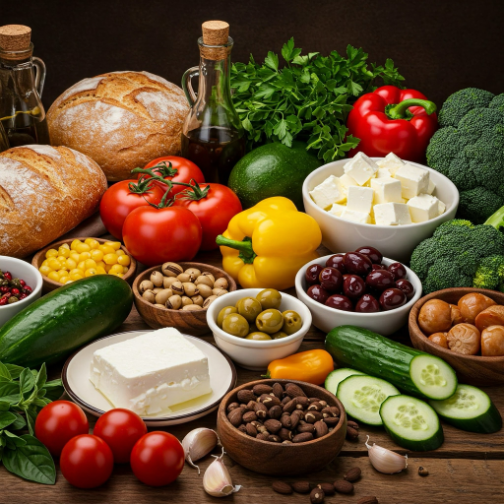
    The Mediterranean diet consists of fruits, vegetables, whole grains, olive oil, fish, and nuts. Historically, it has been associated with numerous health benefits, including cardiovascular health and longevity. The diet’s components work synergistically to provide a rich source of antioxidants and anti-inflammatory compounds. For instance, olive oil is rich in oleocanthal, which has been shown to have neuroprotective effects similar to those of ibuprofen, potentially reducing inflammation in the brain.

    Mechanisms Behind Cognitive Protection

    The Mediterranean diet’s cognitive benefits are attributed to its anti-inflammatory and antioxidant properties, which help improve vascular health and reduce Alzheimer’s pathology, such as amyloid plaques. The diet’s nutrients also play a crucial role in enhancing cognitive function. For example, omega-3 fatty acids found in fish support brain health by promoting neuronal function and reducing inflammation.

    Evidence Supporting Cognitive Benefits

    Studies have shown the Mediterranean diet can reduce the risk of dementia and Alzheimer’s disease by 11-30%. Long-term, it has been linked to slower brain shrinkage and improved blood sugar levels. Recent research indicates that the Mediterranean diet results in better global cognition and decreased cognitive decline over time. A meta-analysis published in the journal Nutrients highlighted the diet’s protective effects against cognitive decline, emphasizing the importance of dietary patterns in maintaining brain health.

    The Green Mediterranean Diet

    The Green Mediterranean diet is an enhanced version that includes higher intake of green polyphenols, such as those found in green tea. It has been shown to improve brain health and blood sugar regulation further than the traditional Mediterranean diet. A study published in BMJ Medicine found those following the Green Mediterranean diet experienced significant improvements in cognitive function compared to those on a traditional Mediterranean diet.

    Green Tea and Cognitive Decline

    Green tea is rich in bioactive compounds like catechins and L-theanine, which have been historically used to promote mental clarity. These compounds are known for their antioxidant properties and potential to enhance cognitive function. Catechins, particularly epigallocatechin gallate (EGCG), have been shown to have neuroprotective effects that reduce oxidative stress and inflammation in the brain.

    Mechanisms Behind Cognitive Protection

    Green tea’s cognitive benefits are primarily due to its antioxidant effects, which combat oxidative stress and potentially reduce neuroinflammation. It may also enhance blood flow to the brain, supporting cognitive health. L-theanine, another key component, promotes relaxation and focus by influencing neurotransmitter activity, which can improve memory and concentration.

    Evidence Supporting Cognitive Benefits

    Studies have linked green tea consumption to improved memory and a reduced risk of dementia. Regular green tea drinkers have been found to have fewer brain lesions characteristic of dementia. When combined with the Mediterranean diet, green tea may offer synergistic benefits for brain health. A study published in the Journal of Alzheimer’s Disease suggested that green tea extract may help prevent the progression of neurodegenerative diseases by reducing amyloid-beta plaques.

    Practical Recommendations for 40+ Adults

    To adopt the Mediterranean diet, start by replacing red meat with fish and using olive oil for cooking. Incorporate brain-healthy foods like leafy greens and nuts into your meals. Sample meal ideas include salads with olive oil dressing, grilled fish with vegetables, and whole grain pasta with vegetables. Here are some tips for gradual adoption:

    1. Start with Breakfast: Begin your day with a Mediterranean-style breakfast, such as whole grain toast with avocado and tomatoes.
    2. Incorporate More Fish: Aim for at least two servings of fish per week, focusing on fatty fish, like salmon and sardines.
    3. Use Herbs for Flavor: Instead of salt, use herbs like oregano and thyme to add flavor to your meals.

    Adding Green Tea to Your Routine

    Drink 2-4 cups of green tea per day to maximize its benefits. For optimal brewing, use one teaspoon of loose-leaf tea per cup of boiling water and steep for 2-3 minutes. Here are some tips for incorporating green tea into your daily routine:

    1. Morning Boost: Start your day with a cup of green tea to enhance focus and clarity.
    2. Afternoon Pick-Me-Up: Replace your afternoon coffee with green tea to avoid caffeine jitters and support cognitive function.
    3. Evening Relaxation: Enjoy a cup of green tea before bed to promote relaxation and improve sleep quality.

    My Personal Morning Tea Recipe

    Starting my day with a nourishing cup of green tea has become an essential part of my morning routine. This simple yet effective recipe combines the health benefits of green tea with a few natural additions to boost its flavor and nutritional value.

    Ingredients:

    – 1 cup hot green tea

    – A small piece of smashed ginger

    – A small piece of turmeric

    – Juice of half a lemon

    – 1 tablespoon of honey

    Instructions:

    1. Steep Your Tea: Begin by brewing a cup of hot green tea according to your preference.

    2. Add Ginger and Turmeric: While the tea is steeping, add a small piece each of smashed ginger and turmeric. This will allow their flavors and nutrients to infuse into the tea.

    3. Finish with Lemon and/or Honey: Once the tea is ready, top it off with a squeeze of fresh lemon juice from half a lemon. Add a tablespoon of honey to sweeten and balance the flavors.

    4. Enjoy: Sit back and savor your delicious and healthy morning tea!

    This recipe has been a staple in my routine for many years, providing a refreshing and invigorating start to the day. Feel free to adjust the amount of ginger, turmeric, lemon, and honey to suit your taste preferences.

    Brain Exercises and Memory Improvement

    In addition to dietary changes, exercising your brain and improving memory can play a crucial role in maintaining cognitive health. Here are some strategies to consider:

    -Speed of Processing Training: This form of cognitive training has been shown to reduce the risk of dementia by improving cognitive processing speed. Participants in studies have benefited from as few as 10 one-hour sessions over six weeks, with booster sessions as needed [1].

    – Mnemonics and Repetition: Techniques like mnemonic rhymes and spaced repetition can enhance memory by making information more memorable and reinforcing it over time [2][5].

    – Chunking Information: Organizing information into smaller groups or chunks can make it easier to recall. This method is effective for remembering lists or complex data [2][8].

    – Physical Activity: Regular physical exercise not only supports physical health but also improves cognitive function. Aerobic activities, in particular, have been linked to better memory and reduced risk of dementia [3][4].

    – Mental Stimulation: Engage in mentally stimulating activities such as reading, puzzles, or learning a new skill to build cognitive reserve and potentially reduce the risk of cognitive decline [3][6].

    Risks Associated with the Green Mediterranean Diet

    – Calorie Balance: Be mindful of portion sizes to avoid excessive calorie intake.

    – Nutrient Balance: Include a variety of foods to ensure you’re getting all essential nutrients.

    -Caffeine, although less than coffee.

    -Consume in moderation.

    Conclusion

    Green tea and the Mediterranean diet offer promising strategies for mitigating cognitive decline. By incorporating these dietary habits into your lifestyle, you can take proactive steps towards maintaining brain health. Additionally, engaging in brain exercises and improving memory through various techniques can further support cognitive function. Start with small, sustainable changes and consult with a healthcare provider for personalized advice. Remember, a healthy diet is just one part of a comprehensive approach to cognitive health; regular exercise, social engagement, and mental stimulation are also crucial for maintaining cognitive function as you age.

    Resources:

    Memory Games for Smart Seniors

    Keep Your Brain Stronger for Longer

    Lions Mane Mushroom Cognition Capsules (120 Capsules)

    The Complete Mediterranean Cookbook

    Green Tea: The Natural Secret to a Healthier Life

    Sources:

    https://medicine.iu.edu/news/2017/11/brain-exercise-dementia-prevention

    https://www.indeed.com/career-advice/career-development/techniques-to-improve-memory

    https://health.umms.org/2022/05/27/brain-health/

    https://pmc.ncbi.nlm.nih.gov/articles/PMC10046723/

    https://learningcenter.unc.edu/tips-and-tools/enhancing-your-memory/

    https://www.ncoa.org/adviser/hearing-aids/cognitive-health/

    https://www.usa.edu/blog/science-backed-memory-tips/

    AI Usage Disclosure: This article was written using an AI language model for research and outlining. It was then rewritten and edited by a human to ensure accurate information.

    Amazon Affiliate Disclaimer: As an Amazon Associate, I may earn a small commission fromqualifying purchases, at no additional cost to you.
  • How Your Gut Health Impacts Mental Wellbeing (for 40+)

    Medical Disclaimer: The information provided in this blog post is intended for general knowledge and informational purposes only, and does not constitute medical advice. It is essential to consult a qualified healthcare professional for any health concerns or before making any decisions related to your health or treatment

    Life after 40 often can be a challenge when it comes to our digestion. Our bodies are in constant change. Juggling work, family, and everything else life throws our way can take a toll through stress and anxiety. The culprit is often our gut. It turns out, our gut and our brain are in constant communication. Think of it as a two-way telephone line. Remember those? But seriously, when one is stressed, the other definitely feels it. This connection, known as the gut-brain axis, plays a huge role in how our digestion affects our mental state, and vice-versa. It’s all connected.

    The Gut-Brain Axis: A Two-Way Superhighway

    While we’ve long known that stress can upset our stomachs, scientists are now discovering just how powerfully our gut influences our brains. This intricate communication system, known as the gut-brain axis, is a two-way superhighway involving neural, hormonal, and immunological pathways. As Dr. Emeran Mayer, a leading gastroenterologist and author of “The Mind-Gut Connection,” explains, “The gut-brain axis is a bidirectional communication system that involves neural, hormonal, and immunological pathways.” [Source: Mayer, E. A. (2018). The mind-gut connection: How the hidden conversation within our bodies affects our mood, our choices, and our overall health. HarperOne.] This highlights the intricate interplay between our mental and physical well-being, with the gut playing a surprisingly dominant role.

    The Gut Microbiome

    Trillions of bacteria, fungi, and other microorganisms live in our gut, forming a complex ecosystem known as the gut microbiome. This microbial community isn’t just involved in digestion; it plays a crucial role in our mental health. These gut microbes produce neurotransmitters, like serotonin, which are essential for mood regulation. In fact, it’s estimated that the majority of the body’s serotonin is produced in the gut.

    Neurotransmitters: The Gut-Brain Messengers

    Neurotransmitters are chemical messengers that transmit signals between nerve cells in the brain. As mentioned, many of these crucial chemicals are produced in the gut. A healthy gut microbiome helps ensure the production of these vital neurotransmitters, contributing to emotional balance and overall mental well-being. When the gut microbiome is imbalanced (dysbiosis), it can affect neurotransmitter production and potentially contribute to mood disorders.

    The Vagus Nerve: The Direct Line

    The Vagus nerve acts as a direct communication line between the gut and the brain. It transmits signals about the state of the gut to the brain, influencing everything from mood and anxiety to stress response. A healthy gut can positively influence vagal nerve activity, promoting relaxation and emotional well-being.

    How Gut Health Impacts Mental Wellbeing

    So, how does all this translate into your daily life? A healthy gut can contribute to:

    • Improved Mood: Adequate production of serotonin and other neurotransmitters can help stabilize mood and reduce feelings of anxiety or depression.
    • Reduced Stress Response: A balanced gut microbiome can help regulate the body’s stress response, making you more resilient to daily pressures.
    • Enhanced Cognitive Function: Emerging research suggests a link between gut health and cognitive function, including memory and focus.

    Practical Strategies for Nurturing Your Gut and Mind

    Here are some practical steps you can take to support your gut health and, in turn, your mental well-being

    • Lifestyle Choices:
      • Stress Management: While gut health influences mental wellbeing, the reverse is also true. Managing stress through practices like meditation and yoga can benefit both your mind and gut. Try a guided meditation app like Calm or Headspace. A comfortable yoga mat can make your practice even better. Gaiam Essentials Thick Yoga Mat – Amazon Link.
      • Regular Exercise: Regular physical activity is a fantastic stress reliever and can also help regulate digestion. A fitness tracker can help you stay motivated. [Fitbit Inspire 3 Health &-Fitness-Tracker]
      • Sufficient Sleep: Aim for 7-8 hours of quality sleep each night. Sleep deprivation can worsen both stress and digestive problems.
    • Professional Guidance:
      • Consult a Gastroenterologist: If you’re experiencing persistent digestive issues, it’s essential to consult with a gastroenterologist to rule out any underlying medical conditions.
      • Mental Health Professional: If you’re struggling with mood disorders, seeking help from a mental health professional is essential. [onlinetherapy.com]

    Conclusion

    The connection between gut health and mental wellbeing is undeniable. By prioritizing your gut health through diet, lifestyle choices, and stress management, you can positively impact your mood, resilience, and overall mental wellbeing. Your gut is more than just a digestive system; it’s a key player in your mental and emotional health. What steps will you take today to nurture your gut and mind?

    Disclaimers:

    AI Usage Disclosure:

    This article was written using an AI language model for research and outlining. It was then rewritten and edited by a human to ensure accurate information.

    Amazon Affiliate Disclaimer:

    As an Amazon Associate, I may earn a small commission from qualifying purchases, at no additional cost to you.
    Medical Disclaimer:

    The information provided in this blog post is intended for general knowledge and informational purposes only, and does not constitute medical advice. It is essential to consult with a qualified healthcare professional for any health concerns or before making any decisions related to your health or treatment.

  • Go UPF-free After 40

    (Plus 5 Recipes to Get You Started)

    Medical Disclaimer:

    The information provided in this blog post is intended for general knowledge and informational purposes only, and does not constitute medical advice. It is essential to consult with a qualified healthcare professional for any health concerns or before making any decisions related to your health or treatment.

    Always within arms-reach, ultra-processed foods (UPFs) can be tempting. They certainly are convenience and tasty! But a startling statistic reveals that UPFs account for up to 58% of daily calorie intake in high-income countries like the United States [3]. This reliance on UPFs comes with a hefty price tag for our health, with recent studies linking them to over 30 damaging health outcomes [1].

    Understanding Ultra-Processed Foods

    Ultra-processed foods are industrial formulations made from substances extracted from foods or synthesized in laboratories [2]. They’re designed to be highly profitable, convenient, and hyperpalatable, often through the use of food additives like preservatives, emulsifiers, and artificial colors.

    Common examples of UPFs include:

    – Soft drinks and energy drinks

    – Packaged snacks and cookies

    – Instant noodles and soups

    – Frozen meals and pizzas

    – Most breakfast cereals

    Dr. Carlos Monteiro, a professor of nutrition and public health at the University of São Paulo, explains, “Ultra-processed foods are designed to be hyper-palatable and attractive, with long shelf life and the ability to be consumed anywhere, anytime”[2].

    The Health Risks of Ultra-Processed Foods

    Recent research has uncovered alarming connections between UPF consumption and various health issues. A comprehensive study published in The BMJ in February 2024 found convincing evidence that higher UPF intake was associated with [1][3]:

    – Approximately 50% increased risk of cardiovascular disease-related death

    – 48-53% higher risk of anxiety and common mental disorders

    – 12% greater risk of type 2 diabetes

    – 21% greater risk of death from any cause

    – 40-66% increased risk of heart disease-related death, obesity, and sleep problems

    – 22% increased risk of depression

    The Benefits of Breaking Free

    Reducing UPF intake can lead to significant health improvements. Many people report increased energy, better digestion, and clearer skin after cutting back on UPFs.

    Strategies for Breaking the Cycle

    1. Mindful Eating:

       – Practice eating without distractions

       – Learn to recognize true hunger cues

       – Read food labels carefully

    2. Meal Planning and Preparation:

       – Plan meals for the week ahead

       – Batch cook healthy meals on weekends

       – Keep a well-stocked pantry with whole food ingredients

    3. Smart Swaps and Substitutions:

       – Replace sugary cereals with plain oatmeal topped with fresh fruit

       – Swap processed snacks for nuts, seeds, or fresh vegetables with hummus

       – Choose whole grain bread instead of mass-produced white bread

    4. Building a Supportive Environment:

       – Stock your kitchen with whole, minimally processed foods

       – Prepare healthy snacks in advance for busy days

       – Communicate your goals with friends and family for support

    How to Spot Ultra-Processed Foods

    To effectively identify UPFs, follow these tips when reading food labels [4][6][9]:

    1. Check the number of ingredients: UPFs often have long lists of ingredients. If there are more than three ingredients, it’s more likely to be ultra-processed.

    2. Look for unfamiliar ingredients: If you don’t recognize many of the ingredients listed, it’s likely a UPF.

    3. Identify food additives: Look for additives like colors, flavors, and emulsifiers, which are used to enhance appearance and taste but lack nutritional value.

    4. Check for added sugars and sweeteners: Look for ingredients like high-fructose corn syrup or artificial sweeteners such as aspartame, sucralose, or acesulfame-k.

    5. Examine the first few ingredients: The first ingredients listed are the primary ones. If these include added sugars, hydrogenated oils, or sodium, it’s likely a UPF.

    6. Look for industrial ingredients: Substances like hydrolyzed proteins, hydrogenated oils, and high-fructose corn syrup are indicators of ultra-processing.

    7. Check for “cosmetic additives”: These include flavors, flavor enhancers, colors, emulsifiers, sweeteners, thickeners, and anti-foaming, bulking, carbonating, foaming, gelling and glazing agents.

    Five “No UPF” Recipes to Help You Start

    1. Bircher Muesli with Apple & Banana 

       – Ingredients: Oats, seeds, grated apple, mashed banana, yogurt, and milk. 

       – Instructions: Soak oats and seeds in milk overnight. In the     morning, mix in grated apple, mashed banana, and yogurt for a creamy, fiber-rich breakfast [3].

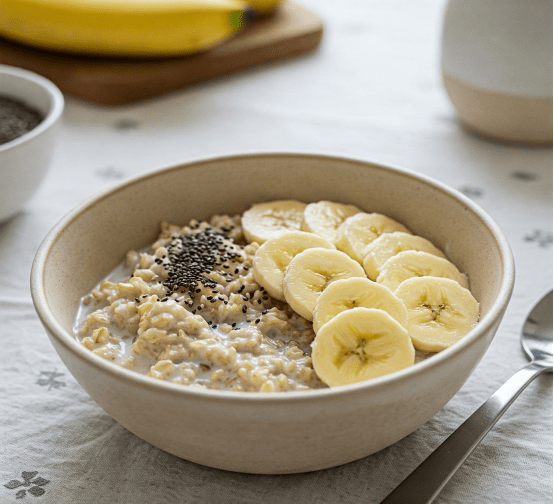
         2. Banana and Coconut Overnight Oats 

                -Ingredients: Rolled oats, organic coconut milk, banana slices, chia seeds. 

                – Instructions: Combine all ingredients in a jar and refrigerate overnight. Top with nuts or fresh fruit before serving [4].

          3. Chicken & Chickpea Curry

            – Ingredients: Chicken thighs, chickpeas, curry spices (cumin/coriander), coconut milk. 

            – Instructions: Brown chicken pieces in oil; add curry spices and chickpeas. Pour in coconut milk and simmer until chicken is cooked through [2].

    • Gold Curry Soup (Chicken)

            – Ingredients: Chicken pieces (shredded), chicken broth, carrots, onions, and curry powder/spices. 

            – Instructions: Sauté vegetables; add chicken pieces and spices along with broth to simmer until flavors meld together [2].

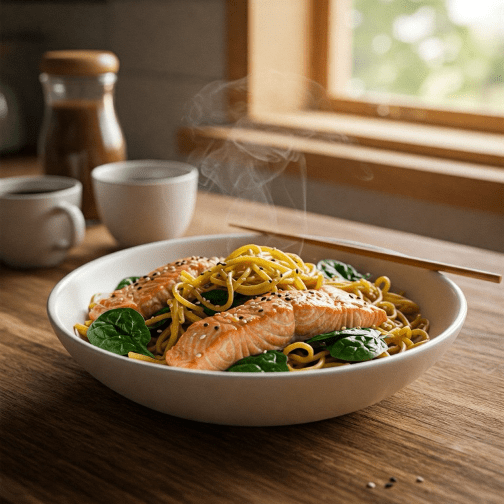
          5. Miso Salmon with Ginger Noodles 

           – Ingredients: Salmon fillets, miso paste, ginger noodles (whole-meal), and spinach.

    – Instructions: Marinate salmon in miso paste for 10 minutes. Bake           salmon while cooking noodles with spinach in boiling water.                Serve together [3].

    **Recipe instructions are condensed to focus on the ingredients.

    Conclusion

    I firmly believe that eliminating UPFs from our diet not only helps heal the body, but I am sure it has huge beneficial effect on our mental health also. Eliminating ultra-processed foods is a powerful step towards reclaiming your health.

    By making conscious choices and implementing the strategies outlined above, you can significantly reduce your UPF intake and experience the numerous benefits of a whole food-based diet. Don’t forget to talk to your health-care professional before making any changes. Take that first step today – your body will thank you for years to come.

    Resources to Explore 

    – Books: Ultra-Processed People by Chris van Tulleken (science-backed insights into UPFs)  

    – Free Guide: Johns Hopkins’ *5 Ways to Support Gut Health.  

    – Supplements: Amen Leaky Gut Supplement – Advanced Formula 

    – Probiotics: Ora Organic Prebiotic and Probiotic Powder Supplement

    AI Usage Disclosure:

    This article was written using an AI language model for research and outlining. It was then rewritten and edited by a human to ensure accurate information.

    Amazon Affiliate Disclaimer:

    As an Amazon Associate, I may earn a small commission from qualifying purchases, at no additional cost to you.

    Citations:

    [1] https://bmjgroup.com/consistent-evidence-links-ultra-processed-food-to-over-30-damaging-health-outcomes/

    [2] https://pubmed.ncbi.nlm.nih.gov/30744710/

    [3] https://www.healthline.com/health-news/eating-ultra-processed-foods-linked-to-32-health-issues-like-heart-disease

    [4] https://pmc.ncbi.nlm.nih.gov/articles/PMC10260459/

    [5] https://www.cnn.com/2024/02/28/health/ultraprocessed-food-health-risks-study-wellness/index.html

    [6] https://health.mountsinai.org/blog/how-processed-is-my-food-a-simple-guide-to-understanding-food-labels/

    [7] https://www.washingtonpost.com/wellness/2024/02/29/ultraprocessed-foods-health-risk/

    [8] https://www.anti-a.org/news/en/identify-food-that-is-ultra-processed

    [9] https://www.ama-assn.org/delivering-care/public-health/what-doctors-wish-patients-knew-about-ultraprocessed-foods

  • The Gut-Wrecking Impact of Ultra-Processed Foods

    Medical Disclaimer:

    The information provided in this blog post is intended for general knowledge and informational purposes only, and does not constitute medical advice. It is essential to consult with a qualified healthcare professional for any health concerns or before making any changes to your health or diet.

    Eating healthy is hard, and for many people it’s too expensive. Ultra-processed foods, or UPFs, are cheap to produce, convenient and plentiful. Who doesn’t like a chocolate doughnut or a steaming bowl of Mac and Cheese right? But while they are convenient and tasty, mounting evidence reveals possible devastating effects on gut health.  In fact, UPFs are scientifically engineered to taste good and leave us wanting more. As Dr. Chris van Tulleken, author of Ultra-Processed People, starkly notes: “It’s not food. It’s an industrially produced edible substance” [7][9]. Let’s learn how these foods harm your gut health and what you can do about it.

    How Do UPFs Harm Your Gut?

    1. Damage to the Gut Lining  

    UPFs often contain emulsifiers like carboxymethylcellulose and polysorbate-80, which studies show increase intestinal permeability (“leaky gut”) and trigger inflammation [1][4]. Dr. Dariush Mozaffarian, a cardiologist and nutrition expert, explains: “Emulsifiers and stabilizers are added to UPFs for shelf life and texture, but their long-term effects on gut health remain poorly understood”[3]. This damage allows toxins to enter the bloodstream, raising risks for chronic diseases like inflammatory bowel disease (IBD) and colorectal cancer [1][4].

    2. Disrupting the Microbiome Balance  

    UPFs’ high sugar and low fiber content starve beneficial gut bacteria while feeding harmful strains. A 2024 review in Nutrients found that UPF-heavy diets reduce Ruminococcus and Lachnospira species (linked to plant-based diets) and boost Prevotella (associated with inflammation) [2]. Dr. Gerard Mullin of Johns Hopkins warns: “A poor microbiome can lead to systemic inflammation, which underpins everything from obesity to autoimmune disorders”[5].

    3. Reducing Microbial Diversity  

    A diverse gut microbiome is critical for immunity and metabolism, but UPFs strip away the nutrients needed to sustain it. Research links low microbial diversity to higher risks of IBS, diabetes, and depression [1][4]. “Ultra-processing destroys the food matrix, removing trace nutrients and fiber that feed good bacteria,” says Dr. Mozaffarian[3].

    Signs Your Gut May Be in Trouble  

    – Frequent bloating, gas, constipation, or diarrhea  

    – Fatigue, brain fog, or mood swings  

    – Skin conditions like eczema or acne  

    – New food sensitivities  

    Repairing the Damage: Expert-Backed Strategies  

    1. Reduce Ultra-Processed Foods  

    – Read labels: Avoid ingredients like “flavors,” “emulsifiers,” or “modified starches”[7].  

    – Swap UPFs for whole foods: Choose oats over sugary cereals, or nuts over packaged snacks [3][8].  

    2. Boost Fiber Intake  

    Aim for 30g of fiber daily from:  

    – Legumes, berries, and leafy greens.  

    – Whole grains like quinoa or brown rice.  

    “Fiber is the cornerstone of a gut-friendly diet,” emphasizes Dr. Mullin [5].  

    3. Embrace Fermented Foods  

    – Kefir, kimchi, sauerkraut, and yogurt replenish probiotics.  

    – Studies show fermented foods improve gut barrier function and reduce inflammation [5][6].  

    4. Consider Targeted Supplements  

    – Probiotics: Look for strains like Lactobacillus and Bifidobacterium [6].  

    – Glutamine and curcumin: Shown to repair gut lining and reduce inflammation [6].  

    – Vitamin D: Low levels correlate with leaky gut and dysbiosis [6].  

    5. Adopt a Mediterranean Diet  

    Rich in olive oil, fish, and vegetables, this diet is linked to higher microbial diversity and lower UPF reliance [4][8].  

    Action Steps to Reclaim Your Gut Health  

    1. Start small: Replace one UPF snack daily with fruit or nuts.  

    2. Try a 7-day UPF detox: Focus on whole foods and fermented options.  

    3. Track symptoms: Use a food diary to identify triggers.   “The convenience of UPFs comes at a cost,” warns van Tulleken. “But by prioritizing real food, we can rebuild our gut health—and overall vitality”*[7][9].  By understanding the science and taking proactive steps, you can transform your gut—and your health—one meal at a time.  

    Resources to Consider

    – Books: Ultra-Processed People by Chris van Tulleken (science-backed insights into UPFs)  

    – Free Guide: Johns Hopkins’ *5 Ways to Support Gut Health.  

    – Supplements: Amen Leaky Gut Supplement – Advanced Formula 

    – Probiotics: Ora Organic Prebiotic and Probiotic Powder Supplement

    AI Usage Disclosure:

    This article was written using an AI language model for research and outlining. It was then rewritten and edited by a human to ensure accurate information.

    Amazon Affiliate Disclaimer:

    As an Amazon Associate, I may earn a small commission from qualifying purchases, at no additional cost to you.

    Citations:

    [1] https://pubmed.ncbi.nlm.nih.gov/38388570/

    [2] https://www.news-medical.net/news/20240603/Do-ultra-processed-foods-alter-the-gut-microbiome.aspx

    [3] https://www.heart.org/en/news/2020/01/29/processed-vs-ultra-processed-food-and-why-it-matters-to-your-health

    [4] https://www.wisediet.co.uk/gut-news/are-ultra-processed-foods-dangerous-for-our-gut-health

    [5] https://www.hopkinsmedicine.org/health/wellness-and-prevention/your-digestive-system-5-ways-to-support-gut-health

    [6] https://drruscio.com/best-gut-health-supplements/

    [7] https://www.goodreads.com/work/quotes/96035220-ultra-processed-people

    [8] https://www.ama-assn.org/delivering-care/public-health/what-doctors-wish-patients-knew-about-improving-gut-health

    [9] https://www.goodreads.com/author/quotes/7994882.Chris_van_Tulleken

    [10] https://www.yalemedicine.org/news/ultraprocessed-foods-bad-for-you

    [11] https://www.mdpi.com/2072-6643/17/1/2

    [12] https://www.science.org/content/article/ultraprocessed-foods-may-make-you-eat-more-clinical-trial-suggests

    [13] https://www.businessinsider.com/ultra-processed-food-expert-tips-for-avoiding-the-worst-2025-1

    [14] https://www.businessinsider.com/harvard-researcher-healthy-swaps-to-cut-processed-foods-improve-brain-gut-health-2024-6?international=true&r=US&IR=T

    [15] https://pubmed.ncbi.nlm.nih.gov/38388570/

    [16] https://www.piedmont.org/living-real-change/10-tips-for-a-healthier-gut

    [17] https://www.womenshealthnetwork.com/digestive-health/best-supplements-vitamins-for-gut-health/

    [18] https://zoe.com/learn/what-is-ultra-processed-food

    [19] https://www.hope-health.org/2024/11/08/tips-to-improve-your-gut-health-community/

    [20] https://www.healthline.com/health/gut-health