
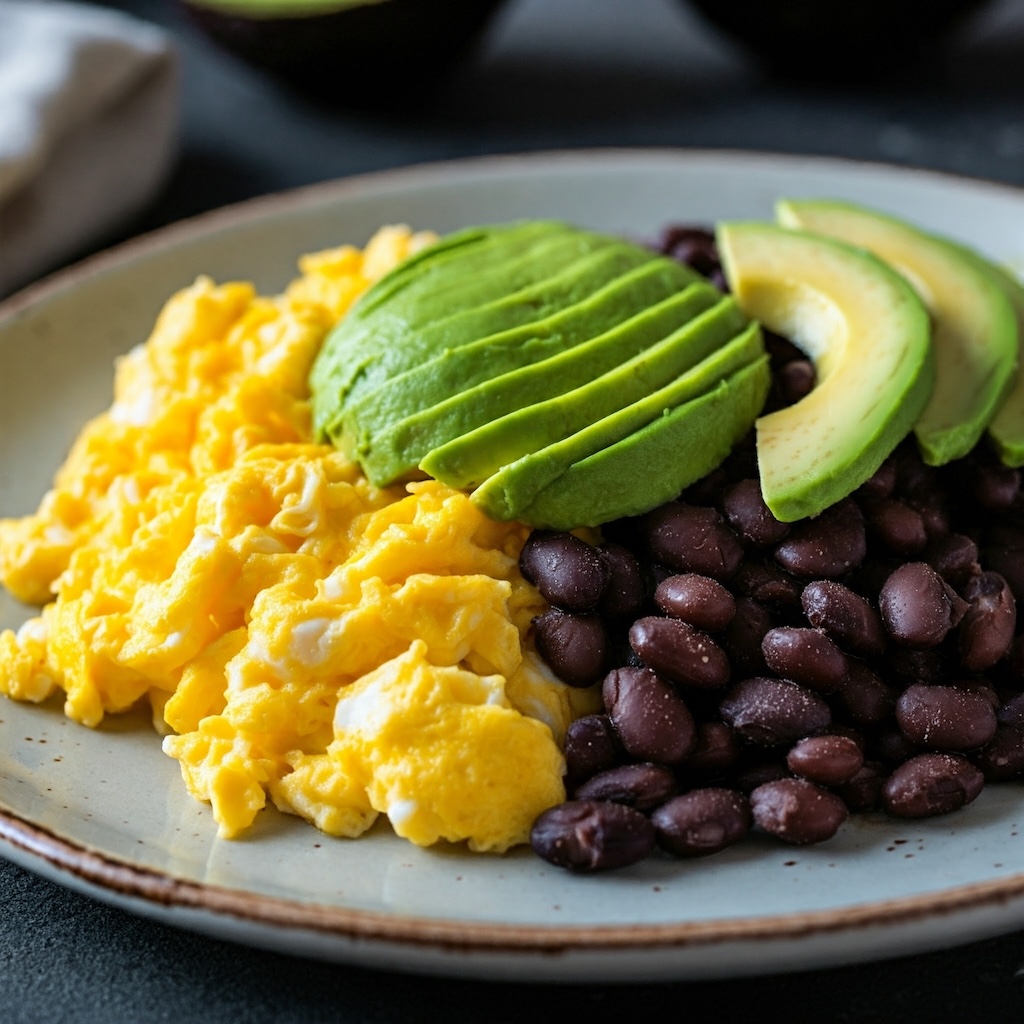
A Guide to Managing Gastritis with a Whole Foods Diet
Medical Disclaimer: It is essential to consult with a qualified healthcare professional before making significant dietary changes, especially if you have any existing health conditions.
In the fantasy world I used to live in, I could eat anything and everything. I wanted with no consequences. When that fantasy world came crashing down, it was a rude awakening for this reckless foodie. But I will tell that story here, a little later.
Maintaining optimal health becomes increasingly difficult as we age. Digestive issues like gastritis can significantly impact the quality of life for men and women over 40. But there’s good news: embracing a Real-Food Diet as part of a healthy lifestyle can be a powerful tool in managing gastritis symptoms and promoting overall well-being. Gastritis, an inflammation of the stomach lining, can manifest as a burning sensation, gnawing pain, nausea, or indigestion. While various factors contribute to gastritis, including H. pylori infection, medication use, and excessive alcohol consumption, diet plays a crucial role in managing its symptoms.
Keep It Simple
The Real Food Diet focuses on eating whole, unprocessed foods, eliminating processed foods, refined sugars, and artificial ingredients that irritate the gut and exacerbate inflammation. I stay out of the middle aisles at the grocery store whenever possible because that is where I find the most heavily processed foods. I focus on ensuring the food I eat is as close to its original state as possible. Doing this helped me set the foundation for a healthier gut, which resulted in me losing 30 pounds in 1 year. I hadn’t felt this good since high school!
How the Real Food Diet Helps
The Real Food Diet combats inflammation, a key driver of gastritis. Avoiding processed foods, unhealthy fats, and excessive sugar reduces the triggers that irritate the stomach lining. Instead, this diet emphasizes whole foods packed with anti-inflammatory compounds, such as colorful fruits and vegetables rich in antioxidants, omega-3 fatty acids in oily fish, and spices like turmeric and ginger. These nutrients help soothe the stomach and promote healing.
“Chronic inflammation is at the root of many gut disorders,” says Dr. Robynne Chutkan, a gastroenterologist and author of The Microbiome Solution. “By avoiding processed foods and embracing whole, anti-inflammatory foods, we can soothe the gut and promote healing.” https://amzn.to/3zV8NOH
A healthy gut microbiome is crucial for overall health, and it indirectly supports gastritis management. The Real Food Diet, rich in fiber from fruits, vegetables, and whole grains, nourishes beneficial gut bacteria. The diet promotes a diverse microbiome, strengthening the gut barrier and reducing the likelihood of spreading inflammation.
“The gut microbiome plays a significant role in our mental well-being,” states Dr. Emeran Mayer, a gastroenterologist and author of The Mind-Gut Connection. “A healthy gut can lead to a clearer mind and improved emotional balance.” https://amzn.to/3Yk6iyU
Furthermore, the Real Food Diet prioritizes nutrient density. Consuming a variety of whole foods provides your body with the vitamins, minerals, and antioxidants needed for optimal function and repair. Eating this way supports the body’s natural healing processes and contributes to long-term well-being.
“The Real Food Diet aligns perfectly with what we know about promoting gut health,” says Dr. Jason Hawrelak, a naturopathic physician and researcher specializing in the microbiome. “Its focus on whole, unprocessed foods provides the nutrients and fiber necessary for a balanced and diverse gut microbiome.” You can find more information at Dr. Hawrelak’s website here: https://www.ifnacademy.com/advisory-board/jason-hawrelak-phd/
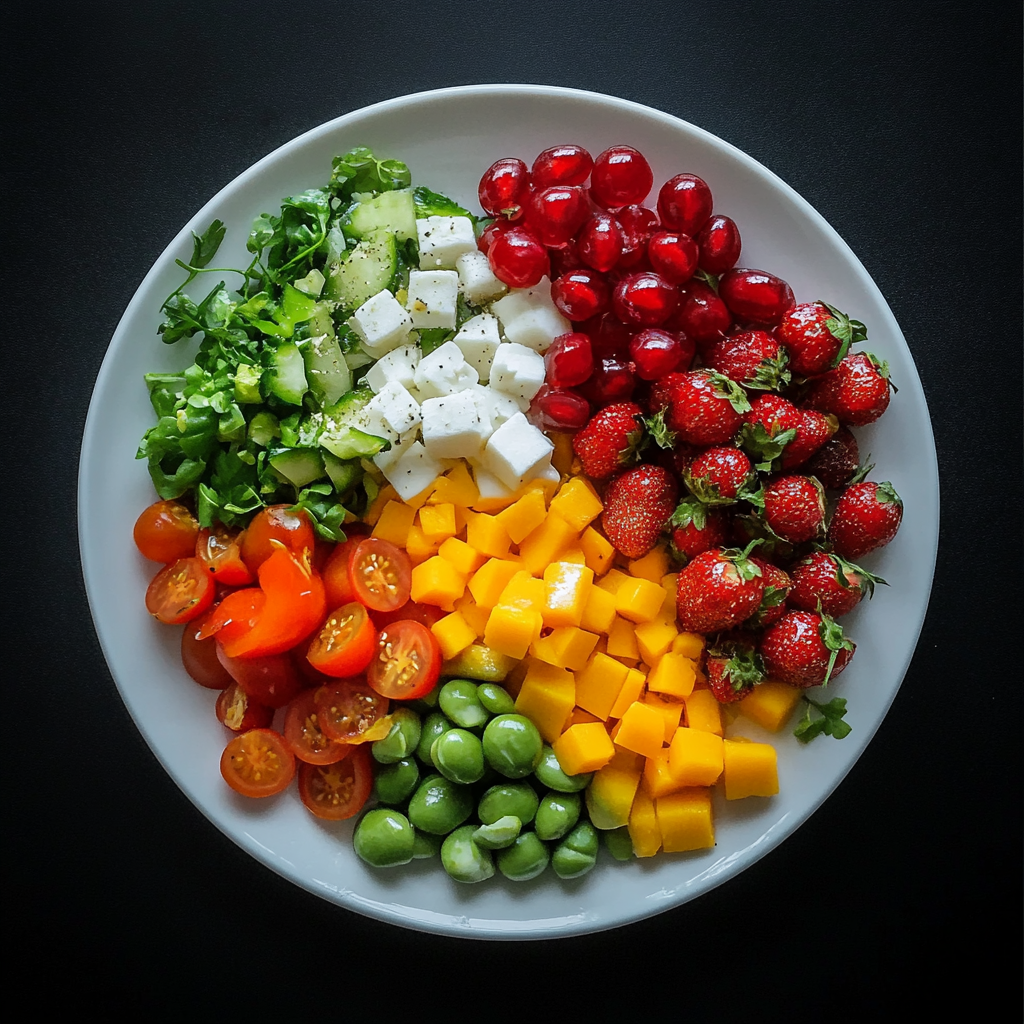
What to Eat and What to Avoid
Choosing the right foods is essential for managing gastritis. Here’s a detailed guide to help you navigate your plate:
Embrace these gut-friendly options:
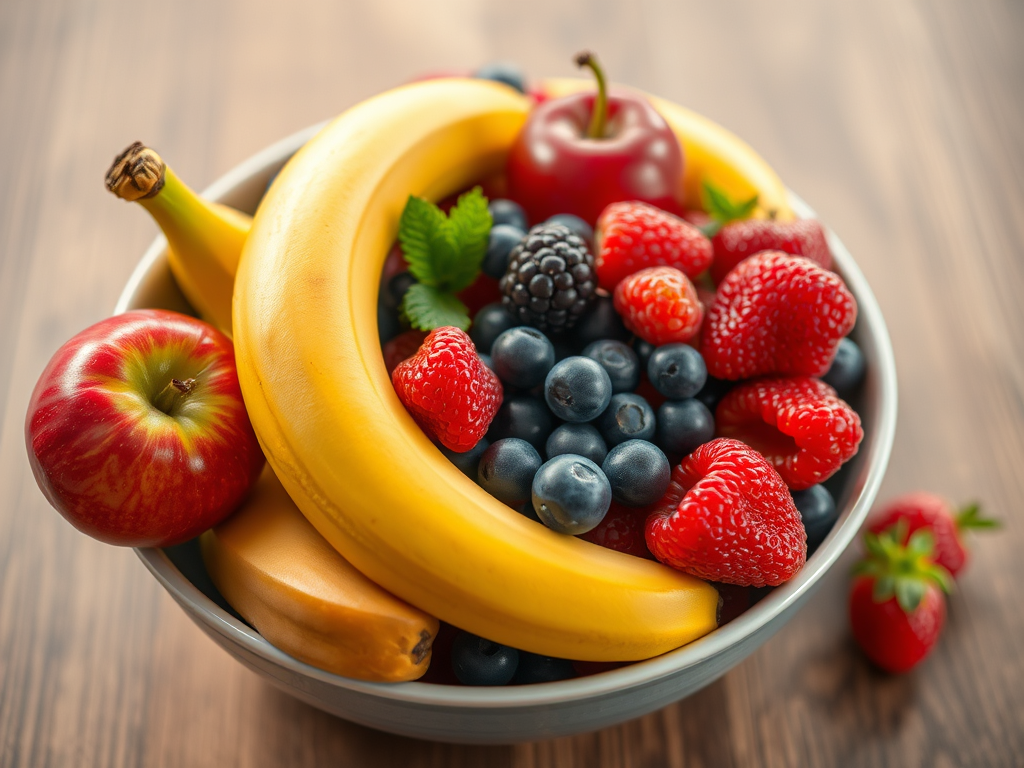
- Low-acid fruits: Bananas, apples, berries, melons, papaya, mango (in moderation)
These fruits are gentle on the stomach and provide essential vitamins, minerals, and antioxidants.
- Non-cruciferous vegetables: Carrots, sweet potatoes, zucchini, green beans, squash, bell peppers. These vegetables are easily digestible and offer a wide range of nutrients without irritating the stomach lining.
- Lean protein: Chicken, fish (especially salmon, tuna, and mackerel), turkey, tofu, tempeh, eggs. Lean protein sources are essential for tissue repair and overall health. Choose cooking methods like baking, grilling, or steaming to avoid adding extra fat.
• Healthy fats: Avocado, olive oil, nuts (almonds, walnuts), seeds (chia, flax, hemp)
These fats provide essential fatty acids that support gut health and reduce inflammation.
• Whole grains: Oats (especially rolled oats), brown rice, quinoa, wild rice, millet
Whole grains offer fiber and nutrients, supporting a healthy gut microbiome and sustaining energy.
• Soothing beverages: Herbal teas (ginger, chamomile), bone broth
These beverages can help soothe the stomach lining and promote digestion. Ginger tea can also help reduce nausea.
Steer clear of these common triggers:
• Spicy foods: Chili peppers, hot sauce, spicy curries
• Spicy foods can irritate the stomach lining and worsen gastritis symptoms.
• Acidic foods: Tomatoes, citrus fruits (oranges, lemons, grapefruits), vinegar
These acidic foods can increase stomach acid production and exacerbate gastritis pain.
• Processed foods: Fast food, packaged snacks, sugary drinks, processed meats
Processed foods are often high in unhealthy fats, refined sugars, and artificial ingredients that can disrupt gut health and trigger inflammation.
• Alcohol: Beer, wine, liquor
Alcohol can irritate the stomach lining and worsen gastritis symptoms.
• Caffeine: Coffee, tea, energy drinks, chocolate
Caffeine can stimulate stomach acid production and worsen gastritis symptoms.
My journey to understanding and managing my gut health while traveling started in Quito, Ecuador. I visited a friend in Mexico for a few weeks, then flew to Quito. I planned to see the city, visit two other towns, and then visit Cuenca. But my stomach had other ideas! After two beautiful weeks in Quito, I planned to take a bus when a not-so-friendly stomach flare-up suddenly sidelined me. My bus was leaving on Monday, and my stomach issue flared up on Friday.
I was already apprehensive about being in a foreign country with weak Spanish skills and having a medical issue. But as I will explain later, my fears were unfounded. I was fortunate enough to see a doctor quickly, and after his examination, I received a course of medications. By the time I visited a couple of other cities and arrived in Cuenca 3 weeks later, I felt much better.
While in Cuenca, I decided to see a gastroenterologist and have tests done to determine my stomach situation. The tests revealed I had a nasty case of gastritis with the H. Pylori bacterial infection. After, the doctor gave me a prescription for antibiotics and other medications to take. After thirty days, the follow-up test showed a clean bill of health. Following a Real Food diet helped me set the foundation for a healthier gut microbiome. Moving forward, it resulted in
me losing 30 pounds in 1 year. I hadn’t felt this good since high school!
I was more than impressed with the health care I received in Ecuador. I know I left out many of the details, but the entire process was as smooth as I could have hoped for. Everyone I encountered was helpful and professional, and the facilities were clean. I would not hesitate to seek help in Ecuador again if needed.
As a 62-year-old newbie traveler, my experience in Ecuador was a wake-up call. It was a setback, but it was also a valuable learning experience. I learned a new way of looking at the food I put into my body. It was a massive challenge for me as someone who loves to eat. But once my gut was healthy, I began to feel better than I had in years. One of the best things that happened was I lost 30 pounds in a year! I hope these tips can be just as inspiring and helpful for you.

IT’S OK TO TAKE A BREAK!
I’ll just be honest here. The Real Food Diet was not easy for me. I was used to ordering a pizza or a burger and fries at the drop of a hat and didn’t give it another thought. When I started the diet, I did some research and made a list of the foods that were allowed and were on the list from my doctor. Then, I followed it strictly with the foods most appealing to me. After three months, I began to have a cheat day once a week. I was able to resist the temptation to eat junk food every day as I did before. I didn’t go crazy; I just ate one meal and returned to the plan. I found that after a while, I hadn’t even thought about cheat day. It just wasn’t a concern, and I was satisfied without it. In my case, the “treat day” did not affect my weight loss or my stomach health.
All this is to say that while the Real Food Diet emphasizes natural, unprocessed foods, there’s room for flexibility and enjoyment. “Cheat days,” or planned deviations from strict adherence, can be incorporated occasionally. The key is to approach them mindfully. Instead of viewing it as a “cheat,” consider it a “treat day” where you consciously choose to enjoy a meal or food that may not strictly align with the Real Food philosophy. Focus on savoring the experience and the social connection associated with the meal rather than seeing it as an opportunity to overindulge. This approach can help maintain a healthy relationship with food while providing psychological satisfaction and preventing feelings of deprivation that can lead to setbacks in the long run.
Source: The Skinny on Cheat Days |
Northwestern Medicine https://www.nm.org/healthbeat/healthy-tips/nutrition/the-skinny-on-cheat-days
Expert Insights and Practical Tips
“By eliminating processed foods and incorporating plenty of fiber-rich fruits, vegetables, and whole grains, the Real Food Diet can help alleviate symptoms of common gut disorders like IBS and bloating,” says Registered dietician Tamara Duker Freuman, author of The Bloated Belly Whisperer. https://amzn.to/4eY18OG
Dr. Megan Rossi, a registered dietician and gut health specialist, stresses the importance of personalized nutrition. “While the Real Food Diet provides a great framework, it’s essential to listen to your body and identify any specific food sensitivities or intolerances contributing to your gut issues.” Love Your Gut: Supercharge Your Digestive Health and Transform Your Well-Being from the Inside Out
Cook for Your Gut Health
Developed with nutritionist and dietitian Alicia A. Romano, this gut health cookbook delivers 100+ healthy recipes and an in-depth education on the science of the mind-gut connection. Whether you’re trying to calm occasional gastrointestinal symptoms, or you suffer from IBS, acid reflux, or GERD, you’ll be pleased to find: Cook for Your Gut Health: Quiet Your Gut, Boost Fiber, and Reduce Inflammation Paperback – April 6, 2021
by America’s Test Kitchen (Author) https://amzn.to/3Njt1Vs
Lifestyle Tips for Gastritis Management
Beyond diet, certain lifestyle factors can contribute to gastritis relief:
• Stress Management:
• Mindful Eating:
• Portion Control:
• Hydration:
• Sleep:
Conclusion
For men and women over 40 seeking relief from gastritis, the Real Food Diet offers a promising path toward improved digestive health and overall well-being. Focusing on whole, unprocessed foods can reduce inflammation, support a healthy gut microbiome, and provide your body with the nutrients it needs to thrive. Remember to listen to your body, identify your personal trigger foods, and embrace a mindful approach to eating. Take control of your gut health and experience the transformative power of real food.
Disclaimers
• Amazon Disclaimer: This article may contain links to products on Amazon. As an Amazon Associate, I may earn a small commission from qualifying purchases.
• AI Disclaimer: I sometimes write with the assistance of an AI language model for research and idea generation. I then edit it to fully express what I want to say.
Further Reading
- Fiber Fueled by Dr. Will Bulsiewicz https://amzn.to/4eWEZ3a
- The Microbiome Solution by Dr. Robynne Chutkan https://amzn.to/3zVXF4k
- The Mind-Gut Connection by Dr. Emeran Mayer https://amzn.to/4851TTz









 lifetransformation.shop
You must be logged in to post a comment.